
Vandaag of morgen in huis

Kwaliteit gegarandeerd

Welkomstaanbiedingen ontgrendelen: GRATIS bezorging | Tot 80% korting | Gratis 30 dagen JoyPlus-proefperiode
Download de app
A kitchen colander may seem simple, but the wrong model can soon become a source of frustration. A bowl that’s too small can overflow when you drain pasta, an unstable base may tip over in the sink, and tiny holes can be tricky to clean. Product descriptions can also sometimes make claims that go beyond what the specifications support.
So look out for these three common pitfalls:
A compact colander may be enough for one or two people. If you regularly drain a pan of pasta or a large amount of vegetables, a model around 28 cm or a wider design may be more suitable.
Consider the combination of:
A smaller model is handy for fruit, rice and small portions. For a large pan of pasta, a generous bowl is more practical.
A stainless steel colander is a good choice if you’re looking for a sturdy model for regular use. Stainless steel doesn’t absorb odours and is generally easy to rinse clean. Check whether the manufacturer says it’s dishwasher-safe, and look out for sharp edges or thin handles.
A plastic colander is lightweight and often handy for everyday use. Polypropylene, or PP, is widely used in kitchenware. Bear temperature limits in mind: don’t use a plastic model over a pan of boiling water or directly above a heat source unless this is explicitly permitted.
The holes should let water drain quickly without smaller ingredients falling through. A kitchen sieve with very fine holes may be suitable for rice or small berries, but it may drain more slowly when used with a large amount of pasta.
Also check:
An expandable sink colander saves space and can be useful if the width of your sink varies. Measure the available space beforehand. Not every expandable model will fit a narrow sink.
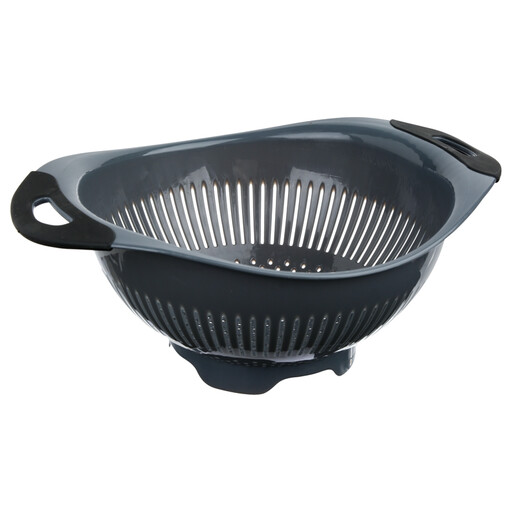
Why it suits this profile: With a 2.5-litre capacity and lightweight PP construction, it’s well suited to draining pasta, fruit and vegetables every day.
The dimensions are clearly stated, so you don’t have to rely on a vague claim such as “generous capacity”. Don’t use it over an open flame.
PP construction, TPR handle and a height of 12.5 cm.

Why it suits this profile: This versatile model combines a vegetable colander with a drying rack and extends from 29 to 44 cm.
The adjustable length means you don’t have to rely on a fixed size. Just remember to check the width of your sink.
304 stainless steel, fine woven mesh and direct drainage into the sink.
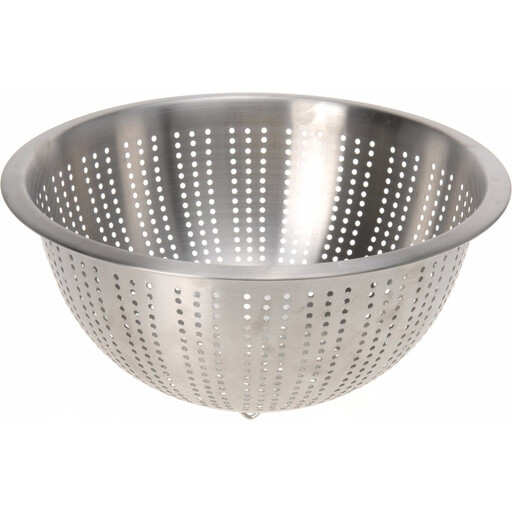
Why it suits this profile: The 28 cm diameter gives you room for larger portions of pasta and vegetables, without extra features you don’t need.
The fixed size makes it easy to check the capacity. According to the product information, this model is dishwasher-safe.
Stainless steel, 28 cm diameter, stainless steel handle and dishwasher-safe according to the product information.
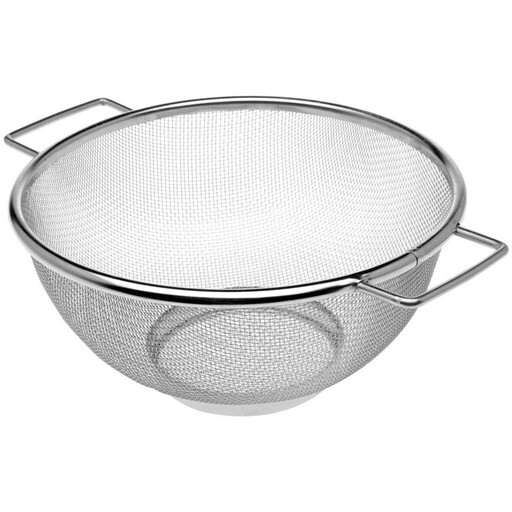
Why it suits this profile: The compact, round design is suitable for fruit, vegetables and smaller portions of rice or pasta.
The dimensions and round base are specified. The product information does not recommend cleaning it in the dishwasher.
Stainless steel, two handles and a stable round base.
We’ve put together a complete, up-to-date list of products that meet these strict selection criteria and the applicable European safety regulations.
A model around 20 cm is often enough for small portions. For a full pan of pasta, a model around 28 cm is more practical. Also check whether the colander can stand securely in the sink or on the rim of a pan.
No. Stainless steel doesn’t automatically mean a product is suitable for the dishwasher. Check the specific product information. Some models are recommended for dishwasher use, while others should be washed by hand.
A kitchen sieve with fine holes is suited to small ingredients and rinsing. An expandable sink colander is more useful when you’re washing larger amounts of vegetables or want to save worktop space. Measure your sink beforehand and check the product’s adjustment range.
