
Vandaag of morgen in huis

Kwaliteit gegarandeerd

Welkomstaanbiedingen ontgrendelen: GRATIS bezorging | Tot 80% korting | Gratis 30 dagen JoyPlus-proefperiode
Download de app
A good kitchen cloth seems like a minor detail—until you use one that falls short. Streaks on your stainless steel countertop, lint on your clean glasses, or a cloth that smells musty after a single use. The right cloth can be the difference between a quick, efficient clean and ongoing frustration.
But which type of cloth is right for which task? Should you opt for reusable cotton or the convenience of disposable wipes? This guide will help you make an informed choice based on material, application, and hygiene.
The effectiveness of a kitchen cloth depends on a few key properties. Paying attention to these will help you avoid a purchase you'll regret.
The material largely determines the cloth's performance.
A crucial feature for any kitchen cloth is its ability to absorb liquids. For paper cloths, this is sometimes indicated by the GSM (grams per square meter) value. A higher GSM generally means a thicker, stronger, and more absorbent cloth. For textile cloths, absorbency depends on the weave and density of the fibers.
The choice between reusable and disposable is personal and depends on the task.
No one wants to leave behind tiny fibers after cleaning. A lint-free cloth is essential for a streak-free result on glossy surfaces like glass, mirrors, faucets, and stainless steel.
Based on the criteria above, we have selected two different types of kitchen cloths that each meet a specific need.
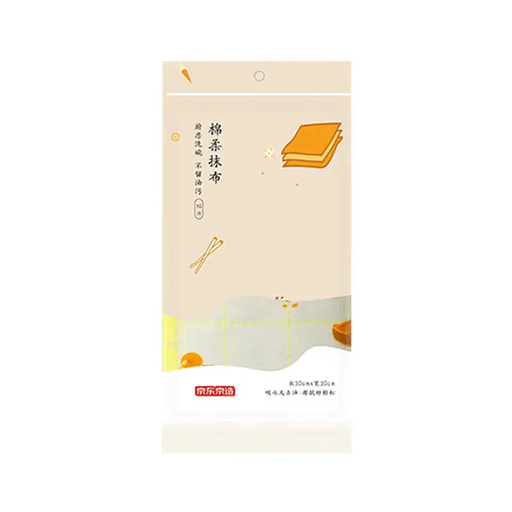
Why We Chose It This set of ten cotton cloths is a practical staple for any household. They are designed as an all-purpose solution for daily cleaning challenges, from wiping down the countertop to polishing away grease spots. The material is soft yet effective.
Benefits
Who It's For For households that prefer a reusable, traditional cleaning solution. Ideal for anyone looking for a reliable set of dishcloths that can be used for a wide range of tasks.
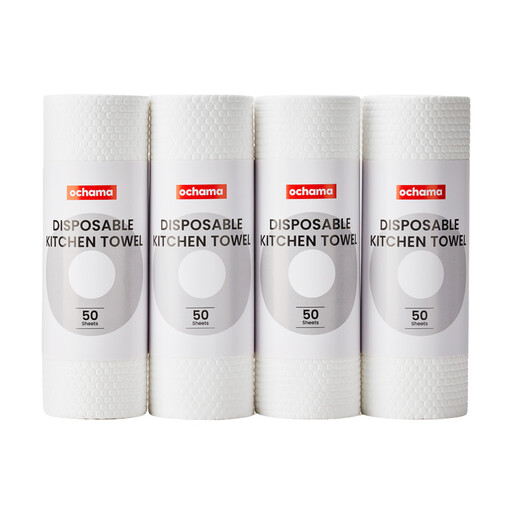
Why We Chose It These disposable wipes are designed for maximum convenience and hygiene. Thanks to their thickened, high-GSM design, they are significantly stronger than standard paper towels, so they won't tear during tougher cleaning jobs.
Benefits
Who It's For For users who prioritize speed, convenience, and hygienic cleaning. A practical solution for busy households or for specific jobs where a reusable cloth is less desirable.
Sometimes, a cleaning job requires a more specialized approach. For example, think of the streak-free cleaning of delicate surfaces like eyeglasses, camera lenses, or screens. Standard cleaning cloths are often unsuitable for this, as they can leave scratches or lint.
For this type of precision work, specially designed lens wipes are a better choice. They are made from ultra-fine fibers that remove dirt and fingerprints without damaging the surface. Browse our assortment to find the right solution.
Browse Our Selection of Lens Wipes Here
1. What is the difference between a microfiber cloth and a cotton cloth? A cotton cloth absorbs water and dirt, while a microfiber cloth actively attracts and traps dirt, grease, and bacteria through the static charge of its fine fibers. Microfiber often dries faster and leaves fewer streaks, whereas cotton is a trusted and robust material for general use.
2. How can I best keep my reusable dishcloths hygienic? To minimize bacterial growth, it is recommended to change dishcloths daily. Wash them at a temperature of at least 60°C (140°F) to kill most bacteria. Allow the cloths to dry completely after washing, preferably in a dryer or in the sun, before using them again.
3. Aren't disposable wipes bad for the environment? A product's environmental impact depends on its entire lifecycle. Reusable cloths require water, energy, and detergent for cleaning. Disposable wipes generate waste but can be a responsible choice in specific situations (such as cleaning up hazardous materials or in a hygienic context). The choice depends on the balance between sustainability, convenience, and hygiene that is most important for your situation.
Written by: Joybuy Product Recommendation Officer
