
Vandaag of morgen in huis

Kwaliteit gegarandeerd

Welkomstaanbiedingen ontgrendelen: GRATIS bezorging | Tot 80% korting | Gratis 30 dagen JoyPlus-proefperiode
Download de app
A cloth might seem like a simple household item, but you’ll quickly notice the difference between a handy set and a poor purchase. Some kitchen cloths don’t absorb much moisture, leave lint behind, or become misshapen after just a few washes. With cleaning cloths, it also matters whether you’re using them for grease, dust, glass or damp surfaces.
With these points in mind, you can compare kitchen cloths and cleaning cloths on material, size, use and care. This way, you can make a targeted choice between microfibre cloths, dishcloths, kitchen towels and reusable cleaning cloths.
A set of ten cleaning cloths might seem like good value, but the number alone tells you little without checking the size and material. Ten small cloths measuring 20 x 20 cm offer a very different experience from ten cloths measuring 30 x 30 cm. So look at:
A larger set is practical for families, or when you want to use separate cloths for the kitchen, bathroom and furniture. For a small household, a set of three or four pieces may be sufficient.
An absorbent cloth is handy for spills, but it isn’t automatically suitable for windows or stainless steel. A thick dishcloth can absorb moisture well, while a fine microfibre cloth is better suited to dust, glass and smooth surfaces.
Claims such as “streak-free” or “ultra-absorbent” sometimes come from the product description or the brand. Don’t take these as a universal guarantee. According to the product information from some suppliers, the result also depends on the surface, the amount of water and whether you use cleaning product.
Reusable cloths are only practical if they can be washed and dried properly. So check the maximum washing temperature beforehand. With some microfibre cloths, fabric softener or bleach is not recommended, as this can affect the fibre structure.
Where possible, use different colours for different rooms. This stops the same dishcloth from later being used in the bathroom or toilet. Allow washable cloths to dry thoroughly after use, and replace them when they start to smell musty, fray or lose their shape.
Microfibre cloths are often made from polyester and polyamide. According to the product descriptions, they are suitable for dry and wet use and can be used for dust, dirt, glass and smooth surfaces. The fine fibres make them practical for mirrors, windows and stainless steel. Use little or no cleaning product when the instructions allow.
Viscose cloths are designed for daily wet cleaning in, for example, the kitchen and bathroom. They are generally soft and easy to rinse out. Do check whether they are machine-washable; this varies from product to product.
Cotton kitchen towels are suitable for drying, picking up hot oven dishes and general use in the kitchen. They are often larger than microfibre cloths. A set with different sizes can be handy when you want to both dry dishes and clean surfaces.
Bamboo fibre and cellulose are sometimes combined with a terry or microfibre structure in certain dishcloths. According to the product information from Multy G’Woon, these cloths are OEKO-TEX certified and have a stated water absorption of 400%. These are product specifications from the supplier; always check the label and current packaging before use.
For daily kitchen work, sizes around 30 x 30 cm are practical. They take up little space and are easy to wring out. Larger cloths of around 38 x 28 cm, 40 x 30 cm or 40 x 66 cm offer more surface area for tables, worktops or drying dishes.
Also consider the balance between price and use. A set of ten cloths can be good value if you wash and rotate them often. A smaller set with thicker or larger cloths may make more sense if you prioritise quality and need less storage.
For cloths for wet and dry use, the care information is important. You can use them dry for dust and crumbs; slightly damp, they are suitable for stains and spills. For windows and mirrors, a clean, not-too-wet cloth helps to minimise streaks. Use separate cloths for grease, bathroom surfaces and glass.
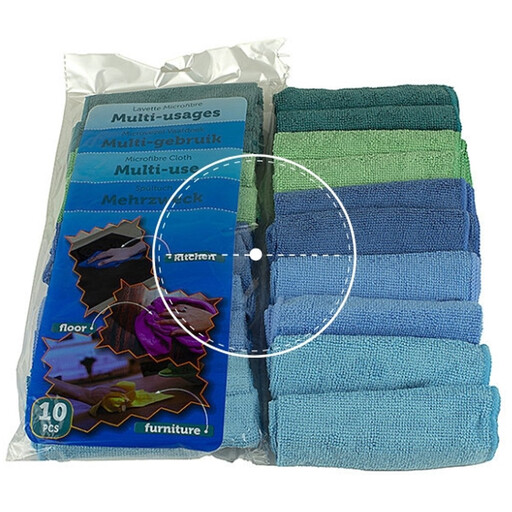
Why this fits the profile: The set contains 10 microfibre cloths measuring 30 x 30 cm. The different colours make it easier to divide cloths by room or task.
The quantity and size are clearly stated, so you’re not relying solely on the pack size.
10 pieces, microfibre, 30 x 30 cm and, according to the product information, washable and reusable.
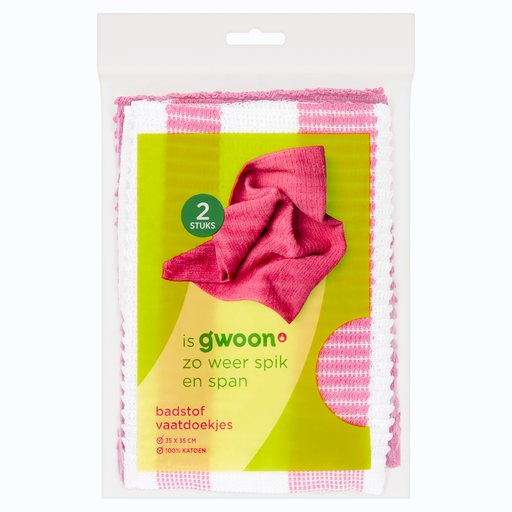
Why this fits the profile: These terry dishcloths are designed for absorbing moisture and drying in the kitchen. The packaging mentions bamboo fibres and two pieces.
The product information states the material, washability up to 60 °C and reinforced edges; check these details on the packaging.
Bamboo fibres, terry structure, two pieces and OEKO-TEX certification according to the product description.
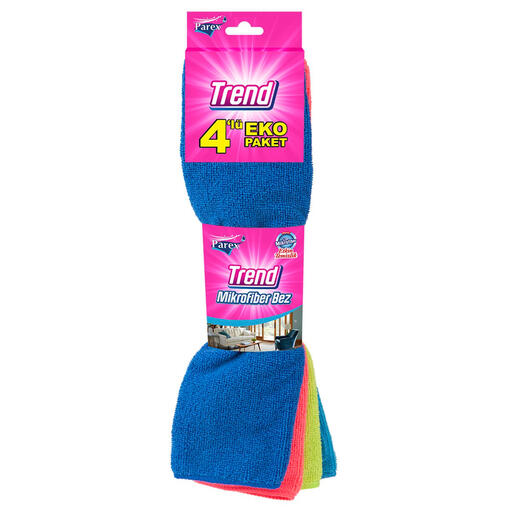
Why this fits the profile: The four cloths measuring 38 x 28 cm are designed for wet and dry use and suit households that want to maintain the kitchen, bathroom and smooth surfaces with one type of cloth.
The dimensions, number of pieces and maximum washing temperature of 60 °C are specified, so you can assess the care requirements in advance.
Four pieces, 38 x 28 cm, suitable for wet and dry surfaces and machine-washable according to the product information.
We’ve put together a full, up-to-date list of products that fully meet these strict selection criteria and comply with current European safety regulations.
That depends on how you use it. A cloth that comes into daily contact with food residue, grease or a lot of moisture should be replaced and washed regularly. Let it dry thoroughly after use first. Follow the maximum washing temperature on the label.
Yes, according to their product descriptions, many microfibre cloths are intended for glass and smooth surfaces. Use a clean cloth, make it slightly damp and then wipe the surface dry. Too much water or a greasy cloth can actually cause streaks.
Washable cloths can be good value when you care for them properly and use them multiple times. Disposable cloths are handy for quick cleaning or situations where you want to limit cross-contamination. Compare not just the purchase price, but also the number of uses, the washing costs and the level of hygiene you need.
