
Vandaag of morgen in huis

Kwaliteit gegarandeerd

Welkomstaanbiedingen ontgrendelen: GRATIS bezorging | Tot 80% korting | Gratis 30 dagen JoyPlus-proefperiode
Download de app
A cloth for the worktop, a dishcloth for the washing-up and kitchen roll for a spill might seem like simple purchases. Yet there are clear differences in absorbency, drying time, size, durability and ease of use. If you only look at the number of pieces or a flashy claim on the packaging, you could end up paying more for cloths that quickly start to smell, shed lint or tear.
This buying guide helps British households compare kitchen cleaning cloths with confidence. You’ll find key points for families, budget-conscious shoppers and those who cook intensively every day.
A cleaning cloth set with twenty or thirty cloths might look appealing, but you should also check the size, material and washability. Small dishcloths are handy for a quick wash-up, but less practical for large surfaces. With disposable cloths, the usage rate is more important than just the price per pack.
So compare:
Words like absorbent, thick or extra strong are only useful when the product information also gives concrete details. Some products lack a test method or exact absorbency value. So don’t take a marketing claim as a guarantee for every kitchen task.
A cloth that works well with water may be less practical with grease. For hobs and oily stains, kitchen roll or thicker reusable kitchen cleaning cloths can sometimes be more convenient, because you can wash or dispose of the cloth straight afterwards.
Reusable cleaning cloths need to be rinsed thoroughly after use and dried completely. A wet dishcloth left crumpled on the worktop can develop an unpleasant smell. So it’s best to use several cloths in rotation: one in use, one in the wash and one as a spare.
Also check the care label. Not every material can be washed at the same temperature, and fabric softener can affect the performance of some microfibre cloths.
Microfibre cloths are generally suitable for dust, fingerprints and light grease residue. The product description of a microfibre cloth at 260 g/m², for example, states a compact size of 30 × 30 cm, machine washable up to 60 °C and suitable for use on glass and stainless steel. Always check that these features are actually listed on the product page.
Cotton or terry kitchen cloths feel thicker and can be pleasant for drying. A product with bamboo fibres may have different properties to a synthetic cloth. With Multy G’Woon Dish Cloths, the product information includes an absorbency value of 400%, machine washable up to 60 °C and OEKO-TEX certification. These are verifiable product details; they don’t mean the cloth is suitable for every cleaning task.
Viscose cloths are often lightweight and affordable. They’re practical for general surfaces, but check the instructions and replace them when the texture wears out.
A size of around 30 × 30 cm is suitable for everyday surfaces and easy to store. Larger cloths, such as 40 × 60 or 40 × 66 cm, offer more surface area for drying and larger worktops. They do take up more space in the laundry basket.
A bulk pack is handy for families, provided the cloths can dry separately. With a cleaning cloth set of ten, you can use colour coding: for example, one colour for the kitchen, another for the bathroom. This helps prevent cross-contamination between rooms.
Kitchen roll is practical for raw meat juices, lots of oil or a heavily soiled surface that you don’t want to wash out. Products differ in the number of sheets, layers and size. For example, Selpak Kitchen Roll Comfort Maxi states 260 sheets, two layers and 100% cellulose according to the product information.
Reusable dishcloths are generally more suitable for everyday washing-up and wiping down tables. For hygiene, it’s important not to reuse the cloth on other surfaces after contact with raw ingredients without washing it first.
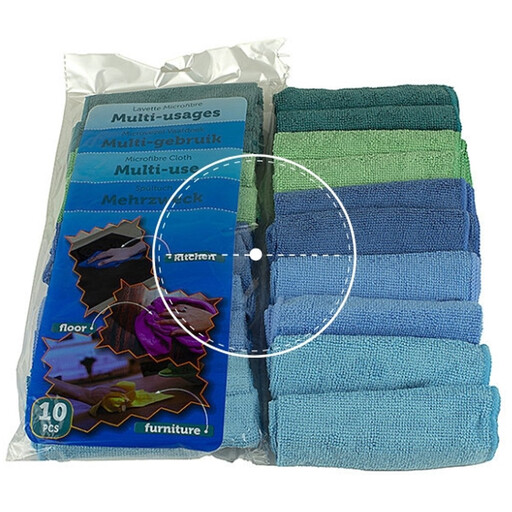
Why this fits the profile: A set of ten microfibre cloths provides a practical supply for the kitchen, furniture and other household surfaces. The different colours help you separate tasks.
The number of pieces and size are stated, so you’re not relying solely on a general claim about absorbency.
Ten pieces, microfibre, 30 × 30 cm and, according to the product description, washable and reusable.
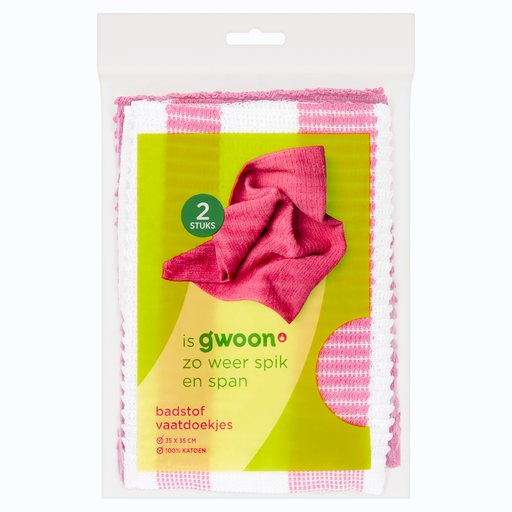
Why this fits the profile: Ideal for anyone looking for a thick terry cloth for washing-up, drying and wet surfaces, and who values documented product information.
The product page lists material, washability and absorbency value instead of just an unspecified claim.
Two terry cloths, bamboo fibres, machine washable up to 60 °C and OEKO-TEX mention in the product information.
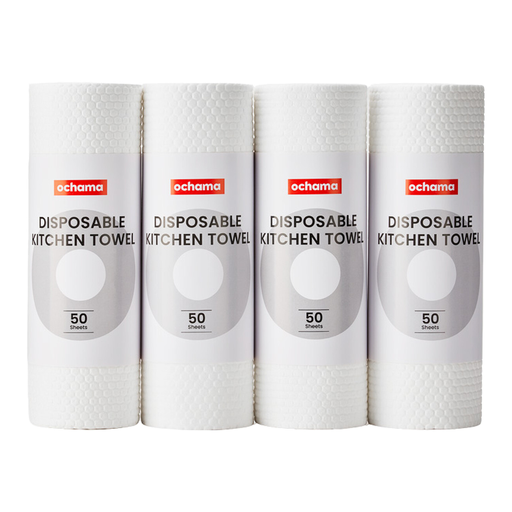
Why this fits the profile: Handy for households that cook often and need a cloth quickly for oil, water or bigger cleaning sessions.
The pack contains four rolls of fifty sheets. This makes the usage clearer than a pack without a stated quantity per sheet.
Two hundred sheets, designed for wet and dry use, with a thicker texture according to the product description and suitable for water and oil stains.
We’ve put together a full, up-to-date list of products that fully meet these strict selection criteria and current European safety regulations.
That depends on the material, use and care. Replace a dishcloth as soon as it becomes damaged, continues to smell unpleasant or visibly accumulates dirt. Using several cloths in rotation helps you wash and dry them properly in between.
Yes, microfibre cloths can be practical for dry dust particles, light grease residue and smooth surfaces. Use them according to the instructions and check that they are suitable for the surface. For heavy oil or raw ingredients, a separate cloth or kitchen roll may be more convenient.
That depends on the purchase price, lifespan, washing costs and how much kitchen roll you use. Reusable cloths can reduce the number of disposable sheets, while kitchen roll saves time on one-off or heavily soiled jobs. So compare the cost per use rather than just the price per pack.
