
Vandaag of morgen in huis

Kwaliteit gegarandeerd

Welkomstaanbiedingen ontgrendelen: GRATIS bezorging | Tot 80% korting | Gratis 30 dagen JoyPlus-proefperiode
Download de app
Kitchen bowls and oven dishes might seem like straightforward purchases, but the wrong combination can quickly become inconvenient. For example, a dish might not fit in the oven, a lid may not be microwave-safe, or a set could take up more cupboard space than you expected. Terms like “airtight”, “ovenproof” and “dishwasher-safe” don’t always apply to every component either.
With this guide, you can compare materials, capacities, dimensions and usage options before you order. That way, you’ll make a more informed choice for everyday cooking, baking, storing leftovers or meal prepping.
With many glass oven dishes, the dish itself can withstand high temperatures, but the lid is made of plastic. This is the case with the 5five Keepeat Oval Glass Dish, for example. The product information states it’s made from borosilicate glass and can be used in the oven up to 400 °C. However, according to the same information, the polypropylene lid must not be used in the oven, microwave or dishwasher.
Always check each part separately:
A stackable bowl saves space, but you also need to consider the shape of the rim, the height and the diameter. Round porcelain bowls can stack securely, whereas rectangular storage containers fit more efficiently in a fridge drawer.
The Mepal Cirqula product information mentions stacking and nesting. However, in some product specifications, “stackable” is listed as “no”. So always check the current product specifications and images of the set you’ve chosen before assuming all sizes will fit neatly inside one another.
A 1.5-litre bowl is fine for batter, salad or soup, but the practical capacity depends on the shape. A shallow, wide oven dish is handy for lasagne or a quiche. A deep bowl is better suited to ramen, pho or a generous salad.
Alongside litres, also look at:
Borosilicate glass is often used for ovenproof dishes. The material is transparent, so you can keep an eye on the baking process. A glass oven dish with a lid is also convenient for storing, as long as you follow the usage restrictions for the lid.
Ceramic and porcelain are suitable for serving and baking. They feel sturdy and work well for individual dishes. Ramekins for crème brûlée, soufflés, quiche or dips are practical examples. However, be mindful of thermal shock: don’t put a cold ceramic dish straight into a very hot oven without checking first.
Polypropylene is lightweight and practical for storage containers with lids and meal prep boxes. This material is generally more convenient for the fridge, freezer and taking food on the go than glass or ceramic. When using the microwave, the lid usually needs to be removed, unless the product information explicitly states otherwise.
Don’t just look for “multi-functional”; check the specific application for each component. A product might be suitable for:
For products with plastic lids, hand washing is often the safer maintenance choice if the manufacturer recommends it. Also, let hot contents cool down first before sealing a storage container and putting it in the fridge.
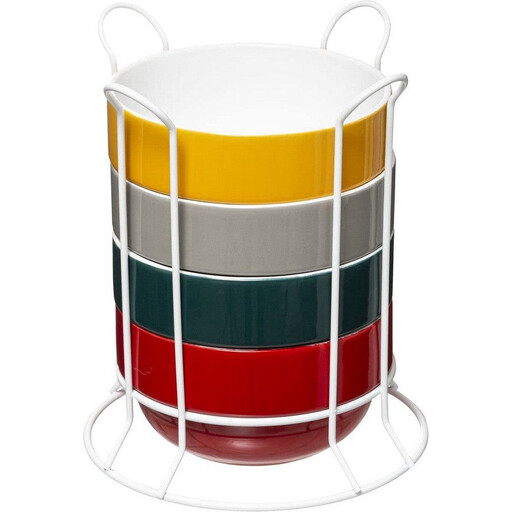
Why this fits the profile: A compact set for breakfast, yoghurt, fruit, snacks and small side dishes. The 50 cl capacity suits everyday use without you having to buy a large dinner service straight away.
The product information clearly states the material, set size and capacity. According to the description, the bowls are suitable for the microwave and dishwasher.
Four porcelain bowls of 50 cl; microwave and dishwasher safe according to the product description.
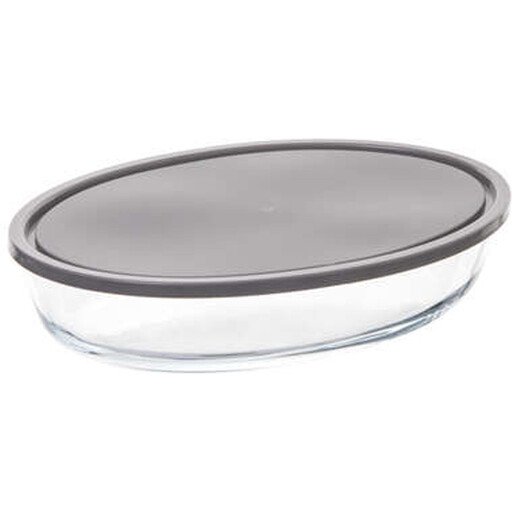
Why this fits the profile: For home cooks who want one dish for preparing, baking and storing. The oval shape is ideal for oven-baked meals and leftovers.
The product description distinguishes between the glass dish and the plastic lid. This means you can see straight away that the lid should not go in the oven, microwave or dishwasher.
Borosilicate glass; 2.4 litre capacity; 32 x 21 cm; dish suitable for oven, microwave and dishwasher according to the product information.
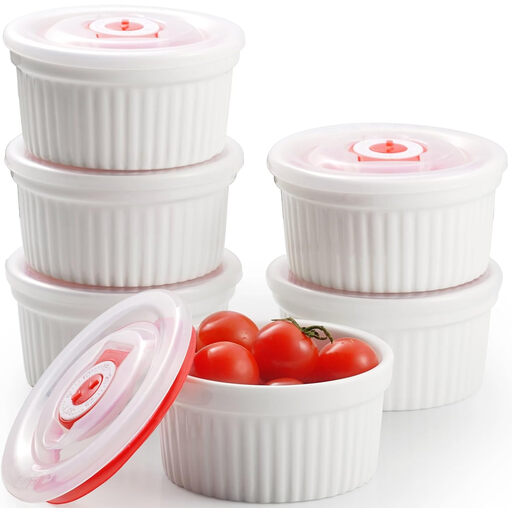
Why this fits the profile: Handy for bakers and meal preppers who want to make and store individual portions of crème brûlée, soufflé, savoury tart or dessert.
The product information separately states that the ceramic ramekins are oven, microwave, freezer and dishwasher safe. The plastic lids are limited to a maximum of 120 °C and should be hand washed.
Six portions of 12 oz; lids with date indicator; suitable for individual preparation and storage according to the product description.
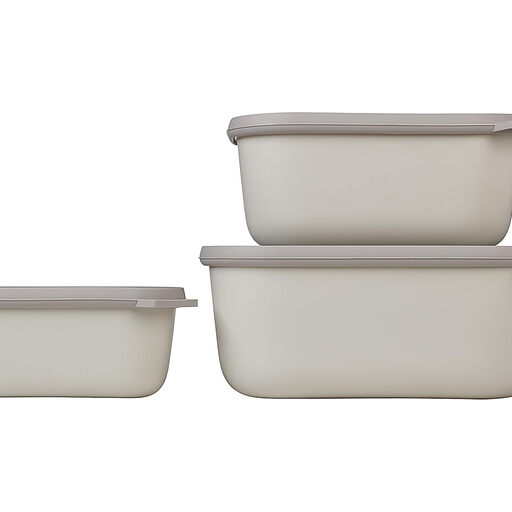
Why this fits the profile: The sizes of 750 ml, 1,500 ml and 3,000 ml cover small lunches, leftovers and larger meals. The rectangular shape makes practical use of fridge and freezer space.
The product information states use in the fridge, freezer, microwave without lid and dishwasher. The transparent lids are airtight and aroma-proof according to the specified product details.
Three sizes; BPA-free polypropylene; lids with viewing window; suitable for meal prep and storing leftovers.
We’ve put together a full, up-to-date list of products that fully meet these strict selection criteria and comply with current European safety regulations.
This varies by material and by component. Porcelain and ceramic bowls are often labelled as microwave and dishwasher safe. With storage containers, the bowl itself might be suitable for both appliances, but the lid might not be. Always check the product description and any symbols on the base.
Don’t assume so. A rapid temperature change can damage glass, even if the material is ovenproof. Let the dish come to room temperature first and follow the manufacturer’s usage instructions.
For a lunch or single-person meal, 750 ml to 1,500 ml is often useful. For soup, pasta or multiple portions, a container of 2,000 ml to 3,000 ml is a better fit. Choose a set with different sizes if you want to store both small side dishes and full meals.
