
Vandaag of morgen in huis

Kwaliteit gegarandeerd

Welkomstaanbiedingen ontgrendelen: GRATIS bezorging | Tot 80% korting | Gratis 30 dagen JoyPlus-proefperiode
Download de app
A bowl that looks versatile in an online shop can still disappoint at home. For example, the lid may not be oven-safe, an oven dish may not fit in your fridge, or a set of food storage containers may take up more space than expected. If you regularly cook, bake or prepare meals in advance, it is therefore worth looking beyond colour, shape and an appealing product description.
A product may be suitable for the oven, freezer, microwave and dishwasher, but this often does not apply to every component. With an oven dish with a lid, for example, the lid is often made of plastic. That does not automatically mean it can go in the oven too.
Always check each component separately:
For example, the 5five Keepeat glass oven dish with lid is described as having a borosilicate glass dish suitable for oven use up to a maximum of 400 °C. According to the product information, the polypropylene lid must not be used in the oven, microwave or dishwasher.
A capacity of 1 litre sounds generous, but it is often limited for a meal for several people. Conversely, a 3-litre dish takes up unnecessary space if you usually store a lunch or leftovers.
As well as the capacity, pay attention to the external dimensions. Measure the available space in advance in:
For families, larger oven dishes of around 2 to 3 litres are often practical. For individual portions, sauces and desserts, smaller meal prep containers or ramekins with lids are more convenient.
An airtight seal helps to keep smells and moisture contained, but how you carry a container remains important. A loose-fitting lid, silicone ring or clip closures can vary in ease of use and sealing strength.
Therefore, check:
For soup, curry and sauces, airtight food storage containers with a sturdy closure are a sensible choice. Keep the container upright during transport and do not fill it completely to the brim.
Glass is useful if you want to see the contents and often move a dish from the fridge to the microwave. Borosilicate glass is mentioned in various product descriptions because of its temperature resistance. However, you should always check the maximum temperature and any instructions regarding sudden temperature changes.
A glass oven dish is suitable for oven-baked dishes, gratins and cakes. Glass is heavier, though, and can break if knocked hard.
Plastic is lightweight and practical for taking food with you. According to the product information, Mepal Cirqula containers are made of polypropylene, have an airtight lid and are suitable for the fridge, freezer, microwave without the lid and dishwasher. Bear in mind that “microwave-safe” does not mean the lid can also be heated.
Stainless steel is commonly abbreviated to RVS in Dutch. A stainless-steel bowl is generally lightweight, sturdy and able to withstand everyday use. According to the listed specifications, the Maxcook bowls are made of 304 stainless steel and are suitable for the oven, steam oven and induction hob. Use oven gloves when heating them and follow the stated temperature and heating instructions.
A well-fitting lid makes a bowl more useful for storing and transporting food. A transparent viewing window, handle or silicone ring can also be practical. Check whether the lid is loose, clips into place or locks securely.
For use at home, food storage containers with a loose lid are often quick to open. For transport, four locking clips or a rim that seals all the way around are often more convenient. With ramekins with lids, it is important to check whether the lid is intended for storage only. According to the product information, the DAFUCERAMIC ramekins have porcelain dishes and plastic lids; the lids have a separate temperature limit.
“Dishwasher-safe containers” save time, but check whether this applies to the complete set. Sometimes only the dish may go in the dishwasher and the lid must be washed by hand.
A smooth interior makes cleaning easier. With stainless-steel bowls, avoid abrasive products and metal scouring pads to help prevent scratches. Dry metal dishes thoroughly after washing to reduce water marks.
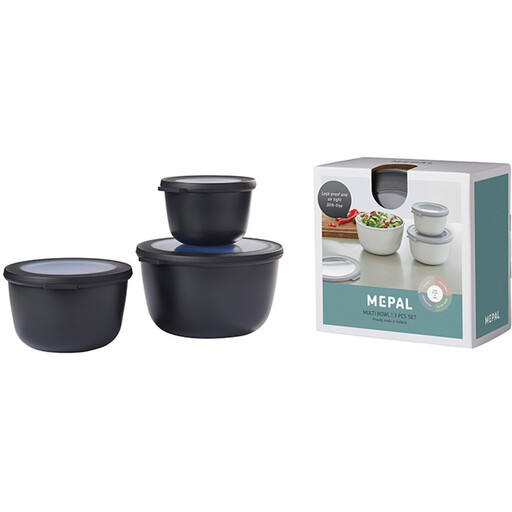
Why it suits this profile: Three sizes cover small leftovers, lunches and larger portions without having to buy a large set straight away.
The product information lists separate usage guidance for the fridge, freezer, microwave without the lid and dishwasher. This makes the usage limits clearer.
500, 1000 and 2000 ml; airtight, leakproof and dishwasher-safe according to the product specifications.
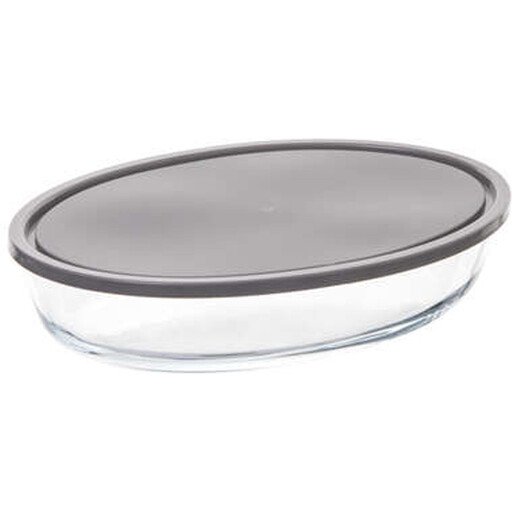
Why it suits this profile: This dish combines baking and storage in one 2.4-litre format, ideal for family portions and oven-baked dishes.
The dish and lid have different usage limits. Removing the lid before using the dish in the oven, as explicitly instructed, prevents incorrect use.
Borosilicate glass; 2.4 litres; suitable for the oven, microwave and dishwasher according to the product description, with exceptions for the lid.
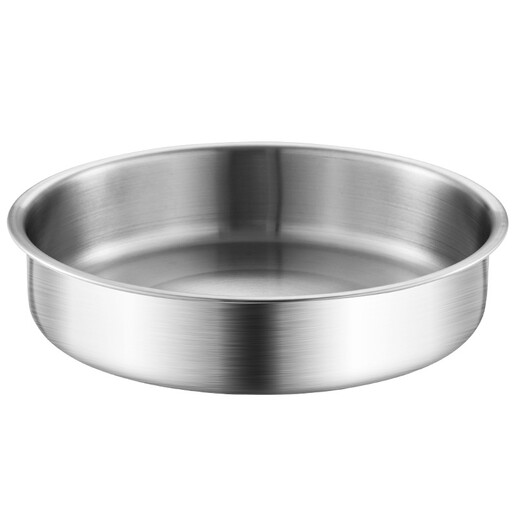
Why it suits this profile: A sturdy metal dish is ideal for steam cooking, oven use and preparation on an induction hob when you want a shatter-resistant design.
The dish has no plastic lid that could accidentally be heated with it. However, follow the warnings regarding overheating, heating while empty and handling hot metal.
304 stainless steel; suitable for the oven, steam oven and induction hob according to the specifications; shatter-resistant design.
We have compiled a complete, up-to-date list of products that fully meet these strict selection criteria and the applicable European safety regulations.
This varies by product. Glass can become damaged or break due to a sudden change in temperature. Always check the official usage instructions and maximum temperature. It is best not to place a frozen dish directly into an already hot oven unless the product information explicitly allows it.
Not always. With many meal prep containers, only the container itself may go in the microwave and the lid must be removed. Mepal Cirqula states this explicitly. Also check whether the lid has a ventilation opening or a specific temperature limit.
Lifespan depends on the material, how the product is used and how well it is maintained. Glass and stainless steel are suitable for regular use, but glass can break and plastic may become scratched or discoloured over time. Do not use abrasive cleaners, respect temperature limits and replace a container if it develops cracks, becomes misshapen or the lid no longer closes properly.
