
Vandaag of morgen in huis

Kwaliteit gegarandeerd

Welkomstaanbiedingen ontgrendelen: GRATIS bezorging | Tot 80% korting | Gratis 30 dagen JoyPlus-proefperiode
Download de app
Picking out a new kitchen bin might seem simple, until you find your new purchase becoming a source of irritation after just a few months. A sensor that opens randomly, a lid that won't close properly, or a material that's constantly covered in fingerprints. Choosing the right bin is essential for a tidy and functional kitchen.
Before you make a decision, it's wise to consider a few common pitfalls. Many bins look great in the store or online but prove to be impractical in daily use.
sensor bin sounds hygienic and modern, but a poorly calibrated sensor leads to frustration. The lid opens every time you walk past, or fails to open when your hands are full.dual-compartment bin is great for recycling, but only if the ratio between the compartments is right. Often, the organic waste section is too large and the general waste section is too small, or vice versa, causing one to constantly overflow.stainless steel bin can be a stylish addition, but models without a fingerprint-proof coating quickly become a collection of smudges and streaks. Cheap plastic can also absorb odours over time.To avoid buyer's remorse, it's best to base your choice on a few objective features. These specifications will determine how practical the bin is in your daily life.
The required capacity (in litres) depends directly on the size of your household and your recycling habits.
large bin of 40 to 50 litres.For a recycling bin, it's not just the total volume that matters, but the division of space. Check the capacity of the individual inner buckets. Do you produce a lot of organic waste? Make sure that compartment is large enough. Sometimes, a vertical dual-compartment bin is a smart, space-saving solution.
The opening mechanism determines the ease of use and hygiene.
sensor bin opens touch-free. Ideal for hygiene while cooking. A good model has a sensor that responds to a deliberate motion from above and features a 'soft-close' mechanism, ensuring the lid closes silently.The material and shape define both the look and the maintenance required.
slim bin or a vertical model can be a great solution. Always measure the available space, including the height with the lid fully open.Based on these practical criteria, we have selected a few models that suit different user profiles.
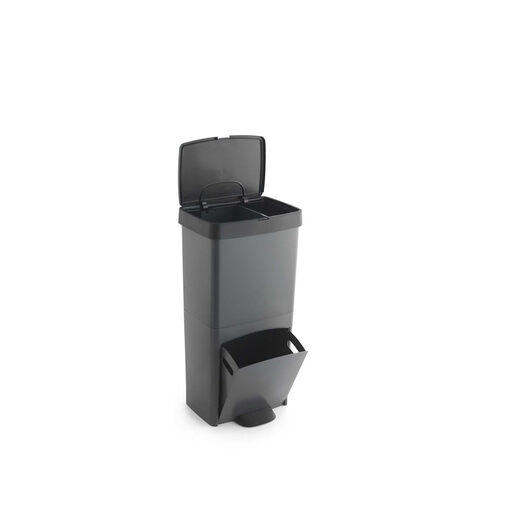
Why This Fits Their Persona: Ideal for those living in smaller homes who are serious about waste separation. The vertical design utilises height, not precious floor space.
Addresses the pitfall of an impractical layout with a flexible system. The bin has two compartments (40L + 30L) that can be expanded to three with a divider.
Large total capacity of 70 litres in a space-saving vertical design. Made from 100% recycled plastic.
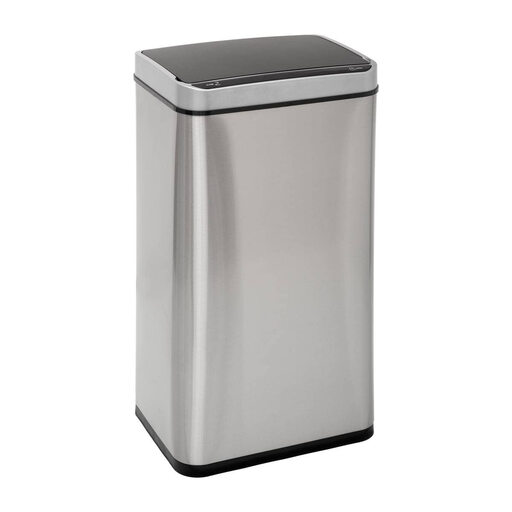
Why This Fits Their Persona: For those who prioritise a clean and modern kitchen. The touchless operation is hygienic, and the sleek stainless steel design fits well in a contemporary interior.
Avoids the pitfall of a clumsy mechanism with a motion sensor for automatic opening and a soft-close function. The stain-resistant design helps keep the stainless steel looking clean.
Completely touchless and silent operation. The inner bucket is easy to remove and clean.
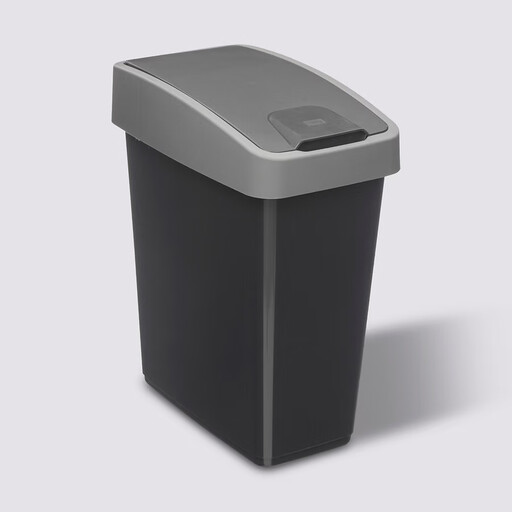
Why This Fits Their Persona: For those seeking a no-nonsense solution that simply works. No complex technology, just a robust, functional bin with ample capacity for an average family.
Avoids the pitfall of fragile mechanisms. This model features a simple and durable design with a dual opening. The polypropylene material is easy to keep clean.
Ample capacity of 45 litres and a convenient dual opening. Made from durable and easy-to-clean plastic.
We have compiled a complete, up-to-date list of products that meet these selection criteria and comply with current regulations.
A good rule of thumb is: 20-30 litres for 1 to 2 people, 40-50 litres for 3 to 4 people, and 60 litres or more for larger households. If you separate a lot of waste, it can be useful to opt for a slightly larger total capacity.
Regularity is key. Clean the bin, especially the inner bucket, weekly with soapy water. Use well-fitting, high-quality bin liners. Empty the organic waste compartment more frequently, especially in warm weather, or use special paper or biodegradable bags that absorb moisture.
Most automatic bins run on standard batteries (usually AA or D-cell). This makes them flexible to place, as you don't need to be near a power outlet. Battery life varies by model and usage but generally lasts from several months to over a year. Always check the product specifications for the type and number of batteries required.
