
Vandaag of morgen in huis

Kwaliteit gegarandeerd

Welkomstaanbiedingen ontgrendelen: GRATIS bezorging | Tot 80% korting | Gratis 30 dagen JoyPlus-proefperiode
Download de app
A new kitchen appliance can often seem more versatile than it turns out to be in practice. A high wattage, lots of accessories and words such as “multifunctional” sound appealing, but they don’t automatically mean the appliance will be easy to use or built to last. For most households, space, cleaning, capacity and the right features matter most.
When comparing kitchen appliances, watch out for these common pitfalls:
Don’t just look at the wattage. Think about what you need the appliance to do. According to the product description, a 500 to 600 W blender may be suitable for smoothies, sauces and soft ingredients. For heavy dough, hard ingredients or extended grinding, the motor design, blades and recommended operating intervals also matter.
So check:
An electric food processor with a pulse function gives you more control when chopping ingredients briefly. A stand mixer with several speeds is especially useful for batters, cream and dough.
Measure the space available on your worktop and in your cupboard before you buy. If an appliance has a tilting head, check its height too. Also look at the bowl’s usable capacity: the stated capacity isn’t always the same as the maximum amount you can process safely.
Useful guidelines:
A vegetable slicer or grater with a collection container can save space compared with several separate tools. Just check that the container is big enough for your usual portions.
Compare the parts actually included. A stand mixer with a dough hook, whisk and beater is quite different from a multifunctional food processor with a chopper, blender and mincer.
Look for:
Some brands state in their product descriptions that certain parts are dishwasher-safe. Always check each part and consult the manual. Never immerse the motor base in water. Take care when cleaning sharp blades, a grater or mincer.
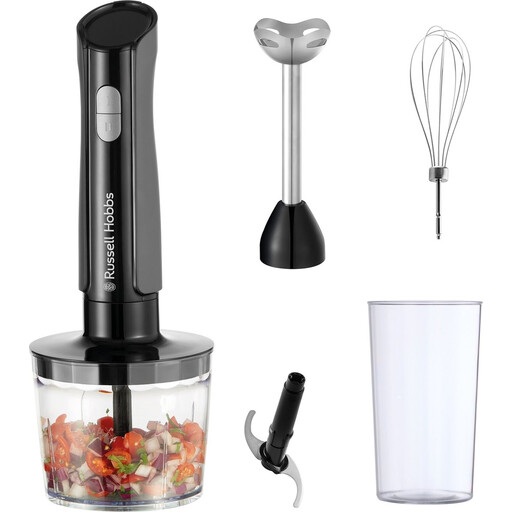
Why it suits this profile: This hand blender takes up very little space and combines blending, chopping and whisking. The set includes a 600 ml beaker and a 500 ml chopping bowl.
Its functions are clearly defined, with no need for bulky bowls or a wide range of unnecessary accessories.
500 W, two speeds, removable parts and, according to the product description, dishwasher-safe components.
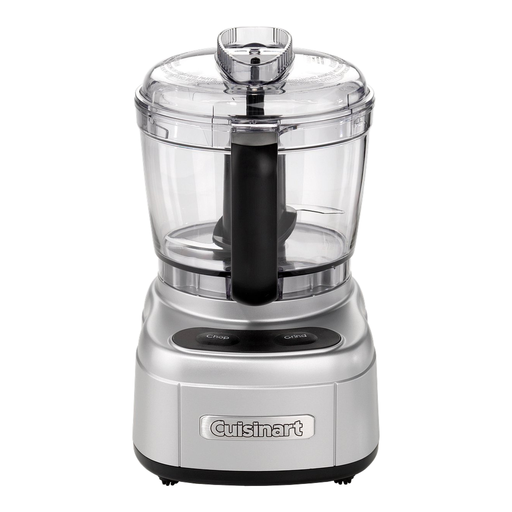
Why it suits this profile: This compact appliance is designed for chopping and grinding ingredients such as pesto, hummus, nuts and herbs.
Its 900 ml capacity is suited to smaller preparations, so you won’t end up buying a large appliance for small portions.
Two programmes, pulse control, drizzle holes in the lid and, according to the product details, dishwasher-safe parts.

Why it suits this profile: A spacious stand mixer for home bakers who regularly make dough, batter, cream or whipped egg whites.
The product description lists a 5-litre bowl, tilting head, overheat protection and non-slip feet. Check the maximum dough capacity in the manual.
400 W, 10 speeds plus a pulse function, and three attachments: a whisk, dough hook and beater.

Why it suits this profile: This compact food processor is designed for chopping, slicing and grating, without leaving a large machine on your worktop.
Its 1.3-litre capacity and compact size make it a simpler choice than a large multifunctional food processor.
650 W, Express Serve for slicing or grating straight into a serving dish and, according to the product description, dishwasher-safe parts.
We’ve put together a complete, up-to-date list of products that meet these strict selection criteria and the applicable European safety requirements.
A kitchen appliance is only a pleasure to use when you follow the instructions in the manual. When using a food processor, push ingredients through the feed tube with the pusher supplied. Don’t touch blades or grating discs until the motor has come to a complete stop. Don’t process boiling liquids in a blender unless the manual explicitly says it’s safe to do so.
These habits can help keep running costs down:
A blender or hand blender is often enough for soup, smoothies and small portions. If you do a lot of slicing, grating and chopping, a food processor is a better choice. For bread, pizza and cakes, a stand mixer with a dough hook is more suitable.
Lifespan depends on how often you use the appliance, how hard you work it, and how you clean and store it. Use it within the recommended intervals and avoid overheating. A metal blade or bowl may be sturdy, but these parts can still wear out if used incorrectly.
Energy use depends on the appliance’s power and how long you run it. An 800 W appliance running for five minutes uses less energy than the same appliance running for a long time. So don’t choose on wattage alone: consider the right capacity and use it for short, appropriate preparation times.
