
Vandaag of morgen in huis

Kwaliteit gegarandeerd

Welkomstaanbiedingen ontgrendelen: GRATIS bezorging | Tot 80% korting | Gratis 30 dagen JoyPlus-proefperiode
Download de app
A new kitchen appliance can seem appealing because of its high wattage, numerous programmes or remarkably low price. However, one isolated specification says little about everyday use. A blender may be powerful but awkward to clean. A food processor may have a large bowl but lack stability when handling heavy dough. And a coffee machine may offer plenty of settings, while maintenance takes more time than expected.
As a Joybuy Product Recommendation Officer, I therefore start by looking at verifiable features: power, capacity, controls, materials, cleaning and safety functions. This helps you compare kitchen appliances based on what really matters in a Dutch kitchen.
Higher power sounds convincing, but it does not automatically indicate how well an appliance will process ingredients. The shape of the blades, transmission, maximum operating time and bowl capacity also play a part.
For example, a 200 W motor in a mini chopper is suitable for smaller portions and short processing tasks. For larger quantities or harder ingredients, an appliance with 400 to 500 W may be more practical. Also check whether the manual specifies a maximum operating time or cooling period.
A 1.5-litre jug does not always mean you can fill it completely with ingredients. Liquids, foaming mixtures and hot ingredients need additional space. The same applies to a food processor: a 5- or 6-litre bowl is useful, but the maximum amount of dough may be lower.
So pay attention to the difference between:
A 3-in-1 kitchen appliance sounds versatile. In practice, you will only use those functions if the accessories are easy to fit, clean and store. Check whether the parts are removable and dishwasher-safe. The motor base must generally not be submerged in water.
When dealing with sharp blades, hot liquids and moving parts, safety instructions are more important than additional marketing features. Always unplug the appliance before removing blades or accessories.
For a blender or food processor, power is relevant when you want to process hard ingredients, nuts or ice. The Cecotec blender lists 1300 W maximum power, two speeds and a pulse function. According to the product description, the appliance runs at up to 20,000 revolutions per minute. Treat this as a product specification, not a guarantee of a particular recipe result.
A hand mixer with 350 to 500 W is often suitable for batters, whipped cream and lighter doughs. If you regularly make bread or pizza dough, a stand mixer with a sturdy bowl, suitable dough hook and stable base is a more logical choice.
Measure the available space on your worktop and in your cupboards beforehand. A large appliance must not only fit, but also be easy to access. Important examples include:
Look for a locking mechanism, non-slip feet, a splash guard and automatic shut-off where relevant. Also check that the plug and voltage are suitable for use in the Netherlands: the appliances mentioned are mains-powered and generally use 220–240 V.
Many products in this selection state a legal warranty of at least two years under EU consumer law. This is a statutory protection, not proof that an appliance will never develop a fault. Keep your purchase details and read the seller’s terms and conditions.
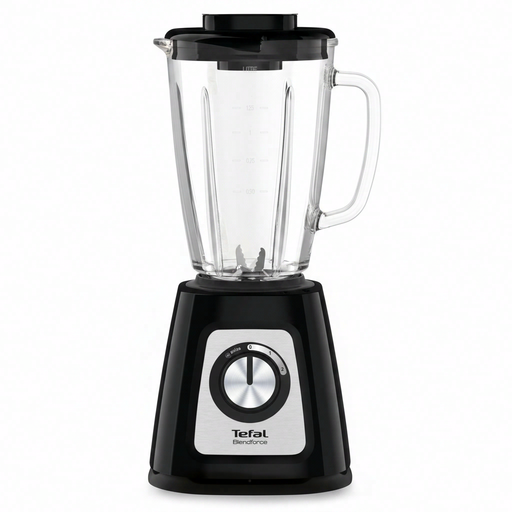
Why it suits this profile: A practical choice for smoothies, milkshakes and cold preparations without complicated controls. The glass jug has a capacity of 1.25 litres.
The two speeds, pulse function and ice-crushing mode make it easier to use than a control panel with numerous programmes.
800 W, glass jug, safety lock, non-slip feet and dishwasher-safe parts according to the product information.

Why it suits this profile: For coffee lovers who want to grind beans fresh and value different settings, without having to measure out coffee manually each time.
The removable brewing unit and automatic cleaning and descaling functions make maintenance more visible and easier to plan.
Ceramic grinder, 12 grinding settings, 1.80-litre water reservoir and classic milk frother according to the product specifications.

Why it suits this profile: Designed for home cooks and baking enthusiasts who regularly prepare dough, batter or larger quantities.
The tilt-head, splash guard and suction feet address common problems with fitting accessories, splashing and movement.
6-litre bowl, 450 W motor, six speeds, pulse function, dough hook, whisk and beater according to the product description.
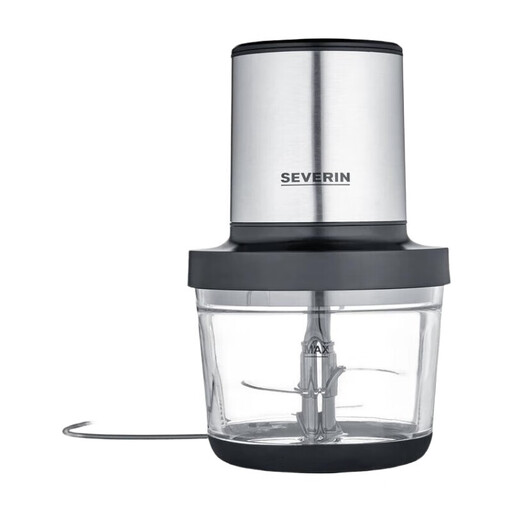
Why it suits this profile: Handy for anyone who wants to chop vegetables, herbs, nuts or meat quickly without putting a large food processor on the worktop.
The glass bowl keeps the contents visible and means you do not need to use a large appliance for small portions.
400 W, 1000 ml glass bowl, stainless steel blades, pulse function and ice-crushing function.
We have put together a complete, up-to-date list of products that fully meet these strict selection criteria and the applicable European safety regulations.
A hand mixer, mini chopper or compact blender takes up relatively little space and is suitable for small portions. For example, a 40 W citrus juicer with a 700 ml reservoir is suitable for freshly squeezed juice for several glasses. If you mainly make soup, smoothies and sauces, you may get more use from a blender with a jug of around 1.25 litres.
The lifespan depends on frequency of use, maintenance, workload and storage. Do not run a motor for longer than specified in the manual, do not fill bowls above the stated limit and allow parts to dry thoroughly after cleaning. When buying, check the legal warranty and whether replacement parts or repairs are available.
Alongside the purchase price, power, operating time and maintenance costs all play a part. A filter coffee machine may be simpler and cheaper to maintain than a fully automatic coffee machine, but it offers fewer settings. A bean-to-cup machine requires regular cleaning and descaling. So do not compare only the price; also consider filters, descaler, accessories and how often you expect to use it each week.
