
Vandaag of morgen in huis

Kwaliteit gegarandeerd

Welkomstaanbiedingen ontgrendelen: GRATIS bezorging | Tot 80% korting | Gratis 30 dagen JoyPlus-proefperiode
Download de app
Buying new kitchen appliances seems straightforward, until you have to choose between a blender, hand blender, food processor, stand mixer or coffee machine. Specifications such as wattage, capacity and number of speeds are prominently displayed on the packaging, but they don’t tell you everything about everyday use. An appliance may seem powerful but still be awkward to clean or too large for your worktop.
This guide will help you assess marketing claims more carefully and choose kitchen appliances based on measurable features.
A higher wattage doesn’t automatically mean a blender or hand blender is better suited to your recipes. Blade design, the jug, overheating protection and recommended operating time all play a part too. For example, a 200 W mini food processor is designed for small portions and short bursts of chopping, while a 400 to 600 W stand mixer is mainly suited to batters and dough within its stated capacity.
So always check:
A 1.5-litre jug doesn’t mean you can fill it completely with ingredients. Blenders need space for the ingredients to move around, and leaving room at the top helps prevent spills. With food processors, the maximum amount of dough may be considerably less than the bowl’s total capacity.
So check the instructions rather than relying on the figure on the box. A 5-litre mixing bowl may be suitable for family-sized portions, but the recommended amount is often lower when making heavy dough.
A kitchen appliance that’s difficult to take apart after every use is likely to get used less and less. Look for removable parts, dishwasher-safe accessories and an appliance that fits the space you have. A glass blender jug is sturdy and transparent, but it’s also heavier and more fragile than a plastic one.
Never immerse the motor base, plug or cable of an electrical appliance in water. This is also stated in the safety instructions for the products mentioned.
For a smoothie blender or countertop blender, the combination of blades, jug and speed settings is just as important as the power. According to the product information, the Tefal BlendForce 2 BL435831 has a power rating of 800 W, a 1.25-litre glass jug, two speeds, a pulse function and an ice-crushing setting.
A hand blender is more compact and suitable for soups, sauces and smaller quantities. The Russell Hobbs 24702-56 has a power rating of 500 W, two speeds and accessories for blending, chopping and whisking. According to the specifications, the Emerio HB-132381 offers 1000 W and variable speed. When using hot ingredients, always check the manual and make sure you’re using a suitable bowl.
For everyday use, materials and maintenance are practical considerations:
A citrus juicer isn’t designed for hard fruit. The Aigostar citrus juicer has a power rating of 40 W, a capacity of 700 ml and two juicing cones. According to the product information, it’s suitable for citrus fruit only.
Check whether the appliance has a lock, non-slip feet, automatic shut-off or overheating protection. These aren’t features to overlook if you cook or bake often.
Also look for:
Claims about quiet operation, durability or performance should be treated as information from the manufacturer. For example, according to the product description, the AUCMA ASM1559 has a maximum noise level of 72 dB. Your experience may vary depending on the recipe, surface and how you use it.
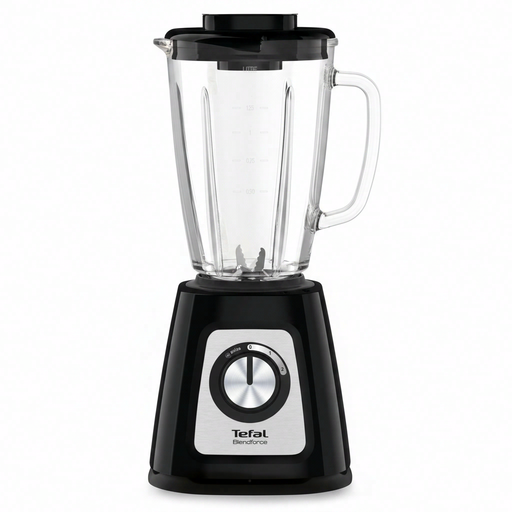
Why it suits this profile: A straightforward choice for smoothies, soups and cold drinks, without lots of separate accessories.
Its 1.25-litre capacity and range of settings make its purpose clearer than a high wattage alone.
800 W, a glass jug, pulse function and dishwasher-safe parts, according to the product information.

Why it suits this profile: For households that want to make coffee from beans every day using a clear control panel.
The machine lists specific features, including a removable brew group, 12 grind settings and a 1.8-litre water tank.
A ceramic grinder, classic milk frother and adjustable coffee strength, according to the product description.

Why it suits this profile: Designed for regular baking, with a dough hook, whisk, spatula and splash guard.
The product information distinguishes between a maximum bowl capacity of 6 litres and a recommended capacity of 5 litres.
Eight speeds, a planetary mixing action, a tilting head and a stainless-steel bowl, according to the product specifications.
We’ve put together a complete, up-to-date list of products that meet these strict selection criteria and the applicable European safety requirements.
A hand blender, mini food processor or compact citrus juicer will usually take up less space than a food processor or stand mixer. As well as checking the dimensions, look at the cord length and how much space you’ll need to store the accessories.
Lifespan depends on use, maintenance, workload and storage. Use the appliance within its recommended capacity, allow the motor to cool down and clean removable parts according to the manual. A statutory guarantee of at least two years isn’t a measure of how long the appliance will last, but it does give you consumer rights if something goes wrong.
Energy use depends on the appliance’s power and how long you use it. A 1000 W appliance uses around 0.167 kWh when used for ten minutes. Keep-warm functions also affect the energy use of coffee machines. According to the product information, the Tefal CM1718 switches off automatically around thirty minutes after keeping the coffee warm, helping to avoid leaving it on unnecessarily.
