
Vandaag of morgen in huis

Kwaliteit gegarandeerd

Welkomstaanbiedingen ontgrendelen: GRATIS bezorging | Tot 80% korting | Gratis 30 dagen JoyPlus-proefperiode
Download de app
Buying a new kitchen appliance can seem straightforward: choose an attractive power rating, plenty of features and a low price. But problems often only become apparent after a few weeks of use. An appliance may turn out to be too big for your worktop, accessories may not fit properly in the dishwasher, or the stated capacity may only be achievable under ideal conditions.
For home cooks, baking enthusiasts, families, students and busy professionals, choosing well is about more than the number of features. The most important thing is to consider how you’ll use the product every day.
A high wattage sounds appealing, but it doesn’t tell you everything about how a stand mixer, hand blender or food processor will perform. The motor design, overheating protection, blade shape and maximum operating time are just as relevant.
So, check the difference between rated power and peak power. The Monsga SM100, for example, is listed with a peak power of 1000 watts, while its rated power is 600 watts. These figures aren’t interchangeable.
A 6-litre mixing bowl doesn’t automatically mean you can mix 6 litres of heavy dough in it. The Monsga mixer’s product information recommends a capacity of 5 litres for its 6-litre bowl. Similarly, the capacity of a hand blender’s measuring beaker isn’t the same as the amount you can safely blend at once.
Check:
A food processor with a blender, mincer, whisk and dough hook can save space — but only if the accessories are easy to change, clean and store. Parts that are awkward to fit or aren’t dishwasher-safe may mean you end up using separate tools instead.
Also consider whether a product really suits the recipes you make. For soup and small portions, a stick blender may be more practical than a large food processor. For bread dough, a stand mixer with a sturdy bowl and dough hook is a better choice.
Speed settings are useful for adjusting the texture when using a blender, hand blender or stick blender. According to its product information, the Braun MultiQuick 3 MQ3000WH has a 700-watt motor, two speeds and an automatic shut-off after a maximum of one minute of continuous use. This makes the stated operating time a more important buying consideration than wattage alone.
With powerful models, check whether the manufacturer specifies a rest period. The ROUNY hand blender, for example, is listed for one minute of use followed by one minute of rest. Follow instructions like these to help prevent overheating.
Parts that come into direct contact with food should be suitable for that purpose. When choosing a kitchen grater, vegetable slicer, chopper or food processor, look for:
Dishwasher-safe parts are convenient, but always check which parts this applies to. The 5five manual chopper, for example, has removable blades, but the product isn’t dishwasher-safe.
Measure your available space before you order. A food processor with a 5- or 6-litre bowl also needs plenty of headroom when the head is raised. Check the weight, feet and cord length too.
A compact multi-functional kitchen accessory may be a better fit for a small kitchen. A kitchen storage rack can help keep food supplies, herbs and small appliances organised. According to its product description, the Maxcook Kitchen Trolley has four tiers, wheels and a 360° rotating design. Distribute the weight evenly and don’t exceed the maximum load for each shelf.
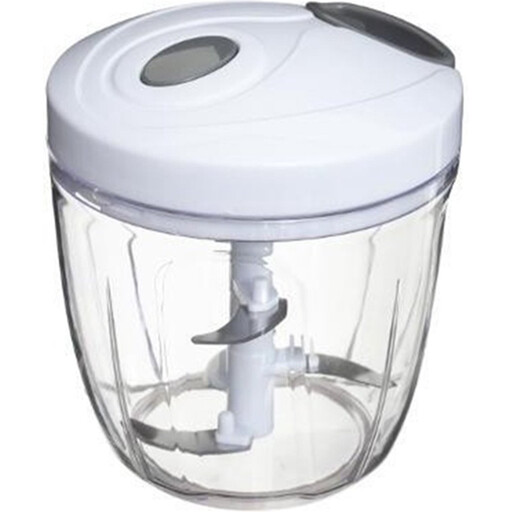
Why it suits this need: Ideal for students, smaller households and occasional cooks who want to chop vegetables, herbs or ingredients without using a corded appliance.
Its 900 ml capacity and manual operation are clearly stated. There’s no motor power rating to misinterpret.
900 ml capacity, five blades, a non-slip base and cordless operation. The blades are removable.
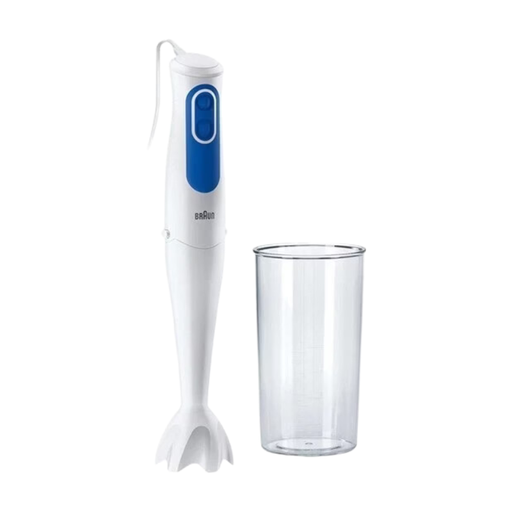
Why it suits this need: A good choice if you regularly make soups, smoothies and sauces and want a compact hand blender.
The product information specifies two speeds, 700 watts, a 600 ml beaker and a one-minute operating limit.
700 watts, a 600 ml measuring beaker, removable dishwasher-safe parts and a design intended to reduce splashing, according to the product description.
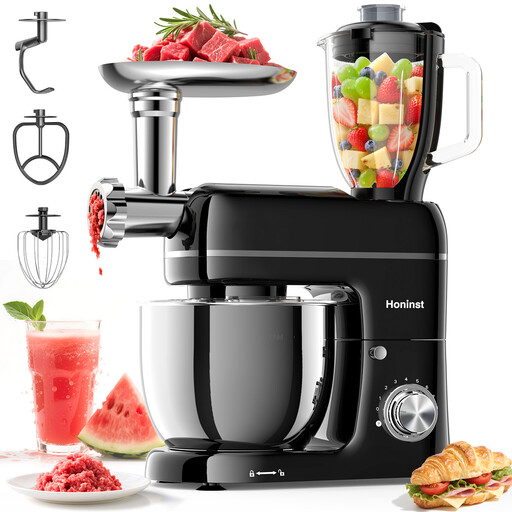
Why it suits this need: For families and baking enthusiasts who want one appliance for mixing, kneading, whisking, chopping and blending.
The product description specifies a 6 QT bowl, eight speeds, a tilt-head design and a safety switch. Always check the maximum quantities in the manual before use.
Five-in-one functionality according to the product description, a maximum motor power of 1300 watts and accessories for kneading, whisking, chopping and blending.
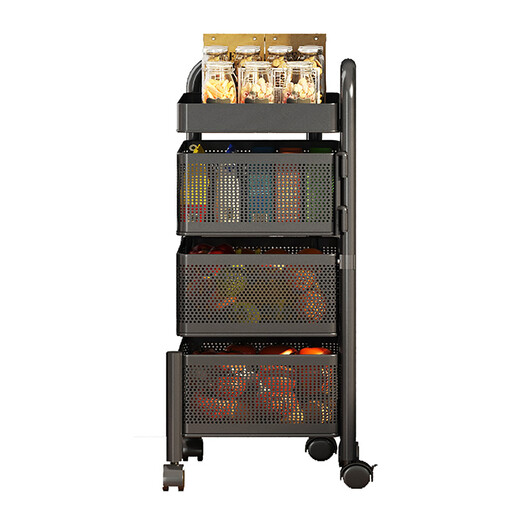
Why it suits this need: For flats, student accommodation and households looking to store food supplies and small kitchen appliances vertically.
Its four tiers and compact footprint make good use of vertical space. Distribute the weight evenly to help prevent the rack from tipping over.
Four tiers, 360° rotating access, wheels and a rust-resistant coating, according to the product information.
We’ve put together a complete, up-to-date list of products that meet these strict selection criteria and current European safety regulations.
For basic use, a stick blender or hand blender, a chopper and a kitchen grater are often enough. If you regularly make bread, cakes or pizza, a stand mixer or food processor with a dough hook may be more useful. A blender is particularly handy for smoothies and liquid preparations.
It depends on the ingredients and quantities. Don’t look at wattage alone; check the bowl capacity, overheating protection, speed settings and permitted operating time too. A lower-wattage model with suitable gearing may be right for home use, while heavy dough calls for a more robust design.
Energy use depends on the appliance’s power rating and how long you use it. A 1000-watt appliance running for six minutes uses approximately 0.1 kWh in theory. A milk frother or manual chopper will generally use less electricity than a large food processor, but actual consumption varies by model and how it’s used. Check the product specifications and switch off electrical appliances after use.
