
Vandaag of morgen in huis

Kwaliteit gegarandeerd

Welkomstaanbiedingen ontgrendelen: GRATIS bezorging | Tot 80% korting | Gratis 30 dagen JoyPlus-proefperiode
Download de app
A stand mixer that’s too big for your worktop, a hand blender that warms up quickly when blitzing thick soup, or a food processor with parts that are fiddly to clean: mismatched expectations can make kitchen appliances an expensive disappointment. Product pages often focus on power, features and modern design. But those points alone don’t say enough about everyday use.
So pay particular attention to three common pitfalls:
Comparing kitchen appliances on concrete specifications prevents marketing language from dictating your purchase.
With a kitchen machine, kitchen mixer or stand mixer, nominal power is only part of the picture. Also check the number of speeds, a pulse function and any overheat protection. Different speeds are practical for dough, batter and whipping cream.
A hand blender with 800 watt and 20 speeds, such as the Royalty Line ESTM800, offers, according to the product description, plenty of settings. The turbo function is intended for short bursts when you want extra power. For every appliance, check the recommended run time in the manual. The ROUNY 4-in-1 hand blender, for example, specifies a use interval of up to one minute, followed by one minute of rest.
With a coffee grinder, short pulses often work better than grinding continuously. The Aigostar CG-200 has a power rating of 200 watt and a 60 gram capacity. According to the user instructions, the grind size is partly determined by how long you hold down the button.
Capacity should fit your recipes and your storage space. A 600 ml bowl suits smaller portions of herbs, nuts or vegetables. A 6 liter bowl gives you more room for bread dough or batter, but it also needs a permanent spot on the counter.
Measure in advance:
A food processor or chopper with multiple bowls can be versatile. The IAGREEA chopper comes with three stackable stainless steel bowls of 1,8, 2,2 and 2,5 liter. That saves storage space, but always check which bowl is suitable for meat, vegetables or soft ingredients.
Parts that come into contact with food should be clearly described. Look for stainless steel, glass, BPA-free materials and information on dishwasher safety. A dishwasher-safe accessory isn’t the same as a dishwasher-safe motor housing. That usually must not be submerged.
Sharp blades, rotating hooks and cutting discs require safe working practices. Check whether the appliance has a locking mechanism, non-slip feet or child safety features. For an electric meat slicer or bread slicer, a stable base, safe on/off control and a removable carriage are especially important.
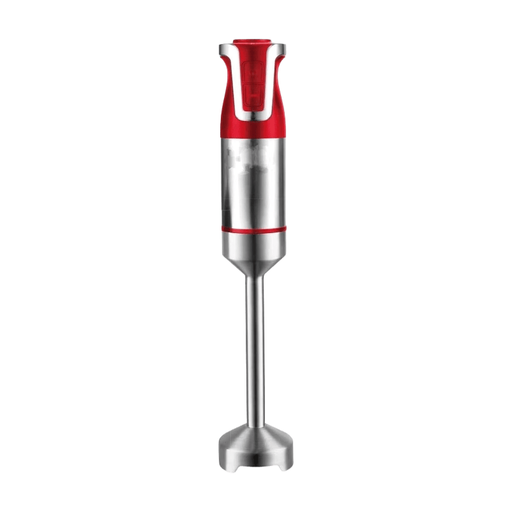
Why this suits the profile: A hand blender takes up very little space and is ideal for soups, sauces, smoothies and batters. The dial with 20 speeds plus turbo gives you control without buying a bulky appliance.
The product description lists a detachable, dishwasher-safe accessory and multiple speeds. Check the exact cleaning instructions before putting parts in the dishwasher.
800 watt, 20 speeds, turbo function and stainless steel foot according to the product information.

Why this suits the profile: Home bakers who regularly make bread, pizza, cake or pastry benefit from a fixed stand mixer with a generous bowl and dedicated attachments.
Capacity and accessories are specified clearly: a 6 liter stainless steel bowl, whisk, dough hook and beater. The manual warns not to run continuously for more than six minutes.
450 watt, six speeds plus pulse, tilt-head and non-slip feet according to the product data.

Why this suits the profile: If you often slice homemade bread, cheese or cold cuts, an electric meat or bread slicer with adjustable thickness can be more practical than a knife.
The slice thickness is adjustable from 0 to 15 mm and the appliance folds away. That makes size and storage easier to judge in advance.
100 watt, removable serrated stainless steel blade, detachable carriage and child-safe on/off button according to the product description.
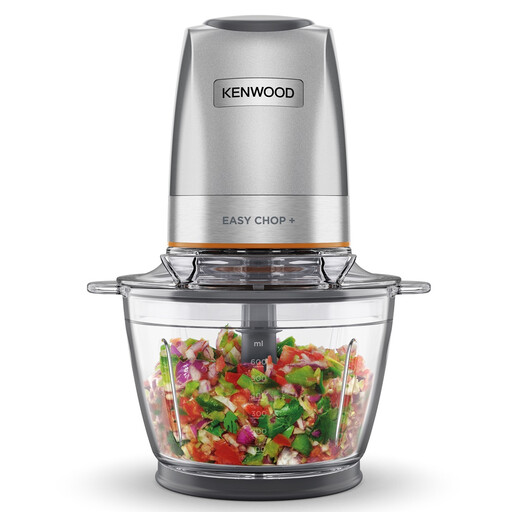
Why this suits the profile: For smaller portions of herbs, vegetables, sauces or dips, a compact chopper is often simpler than a large food processor.
The glass bowl has a 600 ml capacity and two speeds. That clarifies how it’s intended to be used; the appliance isn’t designed to replace a large kitchen machine.
500 watt, two speeds, four-piece stainless steel blade system and anti-slip ring according to the product information.
We’ve put together a complete, up-to-date list of products that fully meet these strict selection criteria and comply with current European safety regulations.
A coffee grinder is suitable for small amounts of coffee beans, spices or nuts. For chopping, puréeing and mixing, a food processor or chopper makes more sense. If you make your own sausages, look for a meat grinder with grinding discs and a sausage stuffer. Check whether the included plates grind fine, medium-coarse and coarse.
For breakfasts and snacks, a sandwich maker and waffle iron are practical. Look for interchangeable plates, a non-stick coating, storage and ease of cleaning. The Russell Hobbs Creations 3-in-1 combines sandwich, waffle and grill plates. According to the product data, the plates are removable and dishwasher-safe. Always follow the care instructions for non-stick coatings and avoid metal utensils if advised.
A knife set is a complement, not a replacement for a kitchen appliance. Consider the number of knives, blade material, grip and care instructions. A set of six steak knives, for example, is different from a full knife set with a chef’s knife, bread knife and paring knife.
That depends on your regular tasks. For soup and sauce, a hand blender often suffices. For onions, herbs and small portions, a chopper is practical. Home bakers will get more from a stand mixer with a dough hook and a generous bowl. Choose the most common preparation first, then add extra functions.
Service life depends on motor load, cleaning, storage and adhering to the run-time guidance in the manual. Let a motor cool down when instructed and don’t overload a small bowl. The product information of several mentioned appliances states a statutory warranty of at least two years under current EU consumer rules. That’s separate from the expected technical lifespan.
Consumption is determined by power and run time. An appliance rated at 1.000 watt running for a few minutes doesn’t automatically use more energy than a 500 watt appliance that runs much longer. So compare the power to your preparation time and choose an appropriate capacity. That way you avoid switching on a large appliance for small portions.
