
Hosting guests with a range of toppings
You might be serving fish, cheese, cold meats or spreads, and want a toast that won't overpower them. Plain toast is a good starting point to compare with more distinctive flavours.


Choose plain Melba toast when you want the toppings on your King's Day platter to take centre stage. Compare multigrain options by checking their actual fibre content and wholemeal flour percentage. Choose sesame toast only if its flavour and ingredients work with your toppings and guests. Whichever you choose, check the allergens and nutritional information on the packaging: a premium-sounding name tells you very little about either.
You might be serving fish, cheese, cold meats or spreads, and want a toast that won't overpower them. Plain toast is a good starting point to compare with more distinctive flavours.
You want to know which flours have been used and how much fibre the toast contains per 100 g. With multigrain toast, check the wholemeal flour content separately: containing several grains doesn't automatically make a product wholemeal.
When choosing food for others, read the ingredients, allergens and any cross-contamination warnings on the exact packaging. A general label such as organic or plain is no substitute for checking.
First decide what you'll be serving with the toast. Then compare the grain ingredients and check any information that matters to your guests before you buy.
| What to consider | What should you check? | Who is it important for? |
|---|---|---|
| Flavour with your toppings | Compare plain toast with options that have their own flavour from ingredients such as sesame or a mix of grains. | If I'm serving a range of toppings, I want the toast to complement them rather than overpower them. Around 40% of consumers say this pairing comes first. |
| Grains and fibre | Read the flour ingredients and check the wholemeal flour content; compare the fibre per 100 g in the nutritional information. | If you're paying close attention to the grain ingredients, you'll want to know what the term multigrain actually means. Around 30% of consumers say this information is their top priority. |
| Allergens and salt | Check the allergens for the exact variety and compare the salt per 100 g, taking your chosen toppings into account too. | When I'm catering for guests with allergies, I don't want to choose based on the product name alone; the salt content may also matter. Around 30% of consumers say this packaging information is their main consideration. |
Multigrain describes the mix of grains, not the amount of wholemeal flour. The Netherlands Nutrition Centre says a product can't be called wholemeal unless it's made entirely from wholemeal flour.
Read the ingredients list and compare fibre per 100 g rather than relying on the front of the packaging.
According to the product information from Jumbo, Van der Meulen's organic sesame toast contains sesame, wheat and soya, among other ingredients. Organic doesn't mean it's suitable for someone with an allergy.
If you're catering for guests with allergies, check the current packaging for the exact variety every time, including any cross-contamination warnings.
Toast options vary in flavourings, grain ingredients, allergens and nutritional values. An eye-catching name won't tell you whether a toast is right for your toppings or your guests.
First compare the ingredients and nutritional information per 100 g. Then see whether the shape and flavour suit your planned drinks platter.
Moist toppings can make toast less crunchy. If you're preparing the platter ahead of time, it's also worth checking the storage instructions for after opening.
Follow the storage advice on the packaging and add toppings just before serving, or serve them separately.
The range includes Melba toast with different grain and flavour profiles, including multigrain and organic sesame.
AH plain Melba toast is an own-brand option if you're looking for a base to serve with a range of toppings.
At Jumbo, you can compare own-brand toast with Melba and other varieties.
These Joybuy options include Melba toast as a base for toppings, as well as rice toast as an alternative. Compare the shape, flavour and packaging information with what you need for your guests.
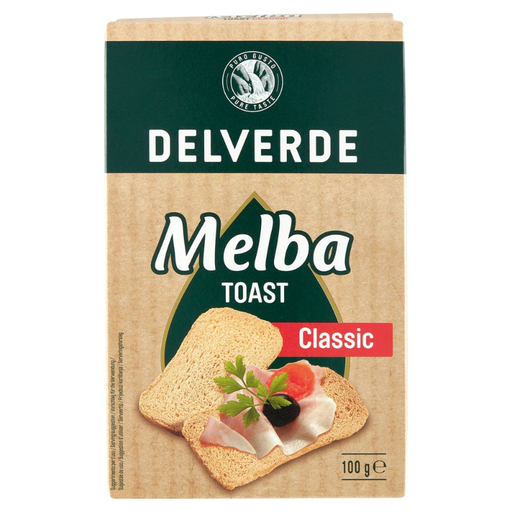 Image unavailable
Plain Melba toast to consider when you want a range of toppings to take centre stage. If you're catering for guests with allergies, check the ingredients and allergens on the current packaging.
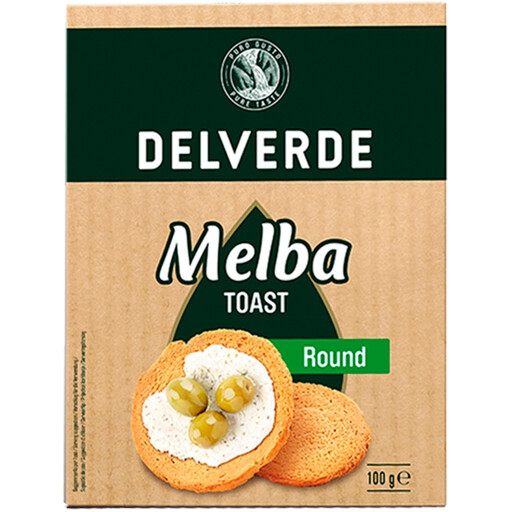 Image unavailable
The round shape makes this a distinctive choice for a platter of individually topped toasts. If you're catering for guests with allergies, check the information on the exact packaging before serving this variety.
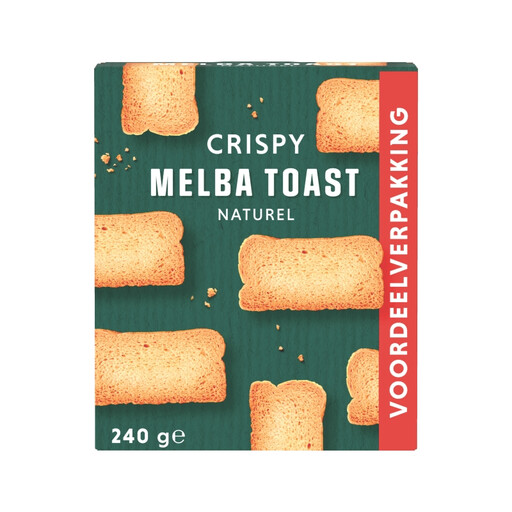 Image unavailable
Melba toast to serve with cheese, dips or spreads. If you're offering it to guests with allergies, check the ingredients and allergens on the current packaging; don't rely on a general description in the product listing.
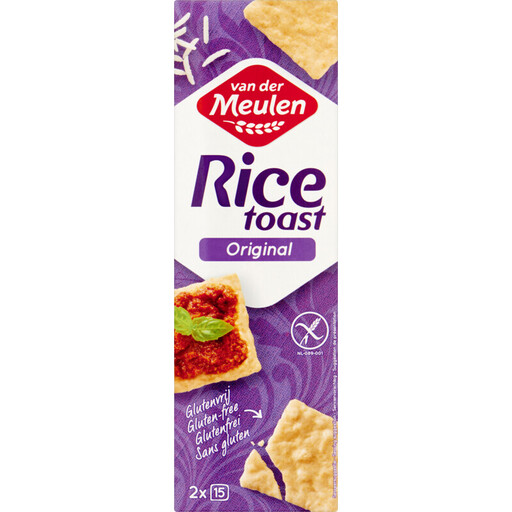 Image unavailable
Rice toast is an alternative to Melba toast; see for yourself whether its shape and flavour work with your toppings. If you're checking whether it's suitable for someone with an allergy, don't rely on a gluten-free label alone: check the label on the exact packaging.
No. The Netherlands Nutrition Centre distinguishes between a product containing several types of grain and one made entirely from wholemeal flour. For example, the Van der Meulen Melba Multigrain described by Jumbo contains 45% wholemeal wheat flour, so check the ingredients for the variety you're planning to buy.
Read the ingredients and allergens on the exact, current packaging, and look out for any cross-contamination warning. The Netherlands Food and Consumer Product Safety Authority says that legally required allergens must be clearly stated on the label. A flavour name or organic label is no substitute for this information.
Don't assume so. The Netherlands Food and Consumer Product Safety Authority describes an approved, limited way for bakery products to contain iodine through baker's salt, but that doesn't confirm which salt was used in a particular toast. Check the packaging for that product or ask the manufacturer.
Follow the storage advice on the packaging and add toppings shortly before serving. For the Van der Meulen Melba Multigrain described by Jumbo, the advice is to store it in a cool, dry place; Albert Heijn advises keeping its plain Melba toast in a sealed container after opening.