
King’s Day snackers keeping an eye on calories
You want to serve crisps while keeping track of how much you eat. So compare the kcal per 100 g as well as the portion you actually serve, rather than relying on the word ‘light’ alone.


For King’s Day, start by comparing the kilocalories per 100 g and decide how many crisps you want to serve; don’t choose based on the word ‘light’ alone. According to the Netherlands Nutrition Centre, less fat in light crisps doesn’t mean the calories fall by the same amount. With oven-baked and regular crisps, the nutritional values, salt and ingredients of the flavour you choose still matter.
You want to serve crisps while keeping track of how much you eat. So compare the kcal per 100 g as well as the portion you actually serve, rather than relying on the word ‘light’ alone.
You’re looking for a lower-fat option, but want to know what that means for the calorie count. The Netherlands Nutrition Centre points out that the reduction in kcal in light crisps may be smaller than the reduction in fat.
When you’re putting together a table of snacks to share, you’ll want to check the salt, ingredients and allergens in the crisps you choose, as well as their energy content.
First compare light, oven-baked and regular crisps on the same basis. Then consider the portion you’re planning to serve and any label information that matters to your guests.
| What to look for | What to check when buying | Who it matters to |
|---|---|---|
| Calories and portion size | Compare kcal per 100 g and decide how many grams you want to serve. | When I have crisps on King’s Day, I want to know how much energy is in my bowl. Around 45% of consumers prioritise calories per planned portion when making this choice. |
| Less fat | Compare both the fat and kcal per 100 g in the option you’ve chosen; don’t assume a fat claim tells you how many fewer calories it has. | I want to keep serving crisps, but lower fat matters more to me than the lowest kcal figure. This is the main priority for around 28% of consumers. |
| Salt and allergens | Check the salt content, ingredients and allergen information for the specific flavour. | When I’m sharing food with guests, I want to check which crisps suit their concerns about salt or allergens. This is the top priority for around 27% of consumers. |
The Netherlands Nutrition Centre compares light crisps with regular crisps and finds they contain around 10% fewer calories, while the difference in fat is greater. So the label alone won’t tell you how many kcal are in your portion.
Compare the nutritional values per 100 g, then consider how much you want to eat.
A portion value isn’t much help if you fill a bigger bowl. Comparing products per 100 g makes it easier to compare packets; the weight of your own portion determines how much you eat.
Decide in advance how many grams you want to serve, and use that weight when reading the nutritional information.
Choosing based on fat content tells you nothing about the ingredients in a different flavour. For example, Pringles lists wheat as an ingredient in Original.
When shopping for guests, always check the current packaging for the specific variety, especially if anyone has an allergy.
The variety you have in mind may not be available when you shop for King’s Day. Albert Heijn and Jumbo list Lay's Light Naturel as no longer part of their online ranges.
Check availability just before you buy, and compare the label again if you choose an alternative.
Worth considering if you want to compare light potato crisps with oven-baked crisps as two different options.
A stackable crisp to include in your comparison of portion sizes and label information, rather than judging by shape alone.
Its range gives you options for comparing own-brand crisps with less fat against other varieties.
This Joybuy selection includes oven-baked crisps and other potato crisps. Check the packaging to compare the nutritional values and ingredients of each flavour; the product name alone won’t tell you which portion suits your plans.
 No image available
For anyone who wants to include oven-baked crisps in the comparison for a table of snacks to share.
Packet size: 150 g. Check the current label for the kcal, fat and salt content of this variety, and choose your own portion size.
 No image available
For anyone who wants to compare an oven-baked Sea Salt flavour with other crisps.
Packet size: 125 g. For this flavour, check the salt content too, and read the ingredients and allergen information on the packet.
 No image available
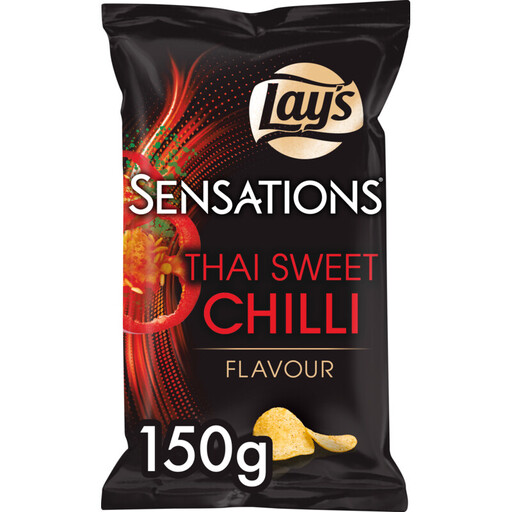
For anyone who wants to serve Thai Sweet Chili flavour and compare its nutritional values with other crisps.
Packet size: 150 g. Check the kcal per 100 g for this flavour, and read the current ingredients and allergen information before sharing the crisps.
 No image available
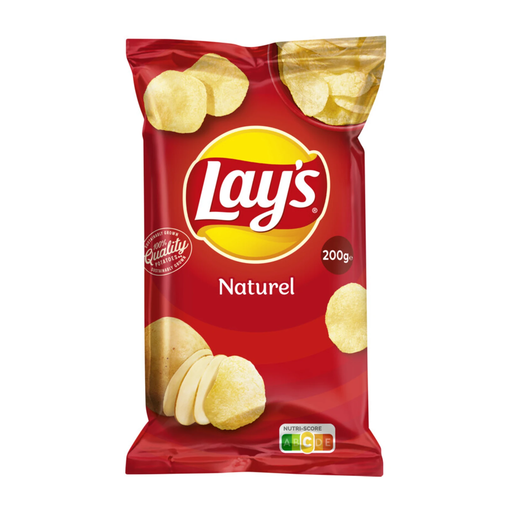
For anyone who wants to serve ready salted potato crisps and choose the portion size themselves.
Packet size: 200 g. Compare the kcal and salt per 100 g with other varieties before deciding how much to serve.
No. A difference in fat doesn’t automatically mean an equally large difference in calories. In its comparison, the Netherlands Nutrition Centre gives 490 kcal per 100 g for light crisps and 542 kcal for regular crisps – around 10% fewer. So remember to consider how much you plan to eat as well.
No. The cooking method alone won’t tell you which variety has the fewest kcal. Compare the nutritional values per 100 g for the specific oven-baked flavour with the other crisps you’re considering, then think about your portion size.
Decide how many grams you want to serve in each bowl, then portion them out in advance. The Netherlands Nutrition Centre gives 215 kcal for an average 40 g bowl of crisps; the value for a specific packet may differ.
Read the ingredients and allergen information on the current packet of the exact flavour you’re serving. Pringles Original, for example, lists wheat as an ingredient; don’t assume another variety has the same ingredients.