
Regular wholemeal bread buyers on a tight shopping budget
If you often buy bread for breakfast or lunch, you’ll want to compare similar loaves by quantity, price and nutritional information.


For everyday use and King’s Day, start by choosing the type and quantity of bread based on how much you’ll actually eat. A wholemeal loaf may suit regular use, while a half loaf or frozen portions can help a smaller household avoid waste. Then compare like-for-like loaves by price per kilo, and check promotional terms, ingredients and storage instructions.
If you often buy bread for breakfast or lunch, you’ll want to compare similar loaves by quantity, price and nutritional information.
If you’re buying for a single meal or a small household, it’s worth considering how much bread you’ll get through and whether you can store or freeze the rest according to the product instructions.
If the type of bread, ingredients, nutritional values or allergens matter to your choice, you’ll need the information for the specific product.
First decide how much bread you need and which type is right for the occasion. Then compare products of the same type and check how they need to be stored or prepared.
| What to consider | What to check when buying | Who it matters to |
|---|---|---|
| Like-for-like costs | Compare the price per kilo, weight and promotional terms for the same type of bread. | For my everyday sandwiches, I don’t want to judge by the price per loaf alone if the weights differ. Around 36% of consumers prioritise comparable bread costs. |
| Type of bread and label | Read the product description and compare ingredients, fibre and salt per 100 g; check allergens if needed. | If I’m looking specifically for wholemeal bread, I want to confirm that on the label rather than judge by its colour. Around 29% of consumers prioritise this product information. |
| Bread for guests | Check the number of items and whether rolls or bake-at-home bread need preparing. | For King’s Day guests, I want to be able to serve the right portions at the planned mealtime. Around 21% of consumers prioritise this festive occasion. |
| Quantity and storage | Choose a suitable pack size and read the storage and freezing instructions. | If I don’t eat much bread, I want to avoid leaving some of a whole loaf uneaten. Around 14% of consumers put choosing the right quantity first. |
Supermarket offers are temporary. An offer you saw earlier may no longer be available when you buy bread for King’s Day.
Just before buying, check the offer dates, bread variety and price at your store or for your order.
Sliced loaves, rolls and bake-at-home bread don’t always serve the same purpose at the table. They may also need different preparation.
First choose the type and quantity you need, then compare the price and label of similar products.
A low price per kilo is less helpful if some of the bread goes uneaten.
Consider buying half a loaf or dividing a whole loaf into portions. Check the product instructions before freezing bread.
According to the Voedingscentrum, ‘multigrain’ means that several types of grain are used; the name alone doesn’t mean the bread is wholemeal.
Read the product description and ingredients list if you’re specifically looking for wholemeal bread.
These supermarkets offer different ways to assess a specific loaf. Compare the type of bread, quantity and current terms before choosing where to shop.
At Albert Heijn, you can browse the bread range and check offers on specific products online.
Jumbo lists various wholemeal loaves with information about the price per kilo.
Lidl directs customers to its stores for current food prices.
ALDI provides online information about specific bread varieties, including Extra Fibre-Rich Wholemeal Loaf.
PLUS provides online information about its Coarse Wholemeal Loaf, including ingredients, allergens, nutritional values and storage.
Dirk lists a product page online for Bakker van der Akker Farmer’s Wholemeal Loaf.
These bread options range from rye bread and wholemeal flatbread to bread that needs preparing. First choose the type that suits your everyday use or King’s Day plans, then compare the quantity and current price with similar bread.
 Image unavailable
An option if you’re looking for individually portioned rye bread for breakfast or lunch.
Check the ingredients and allergens on the packaging if they’re important to your choice.
 Image unavailable
The six flatbreads could suit a meal where you want to serve individual portions.
Check the storage instructions after opening, as well as the ingredients and allergens on the packaging.
 Image unavailable
This loaf suits a meal where you have time to prepare it before serving.
The preparation instructions say to defrost, bake and leave to cool before slicing, so make sure you have time and an oven.
 Image unavailable
A rye bread option if you want to compare the label and quantity with other rye bread.
Check the exact product format before buying: the product name suggests a roll, while the description refers to sliced rye bread.
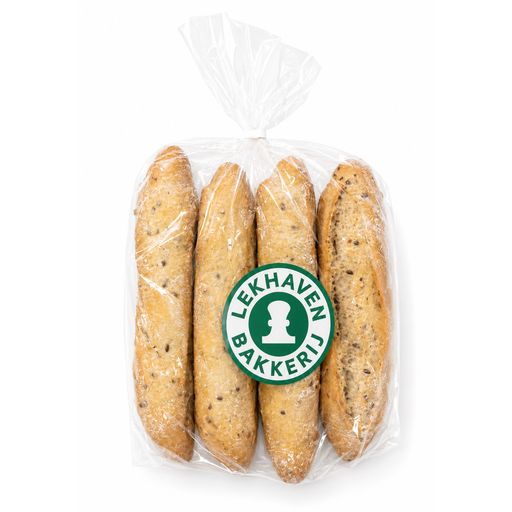 Image unavailable
The four individual baguettes could suit a shared meal where you want to plan portions.
Allow time for defrosting and oven preparation. Multigrain doesn’t automatically mean wholemeal, so check the product description if you’re looking for wholemeal bread.
No, not if some of the whole loaf goes uneaten. Compare the same type of bread by price per kilo, but choose a quantity you’ll use up or can store according to the product instructions.
No, the type of bread alone doesn’t determine which product fits your budget. If you want wholemeal bread, compare the prices of specific wholemeal varieties; the Voedingscentrum describes wholemeal bread as containing more fibre than white grain products.
Don’t assume that it does. Check the ingredients list to see whether baker’s salt is mentioned; PLUS, for example, lists baker’s salt in its Coarse Wholemeal Loaf.
Follow the storage instructions for the bread you buy. PLUS recommends storing its Coarse Wholemeal Loaf in a cool, dark, dry place and says it can be frozen on the day of purchase; rolls and bake-at-home bread may have different instructions.
Yes, check the current price for the store or order you’re buying from. PLUS notes that local prices may vary and change, while Lidl directs customers to its stores for current food prices.