
Vandaag of morgen in huis

Kwaliteit gegarandeerd

Welkomstaanbiedingen ontgrendelen: GRATIS bezorging | Tot 80% korting | Gratis 30 dagen JoyPlus-proefperiode
Download de app
Looking for a quick, flavorful meal? Kimchi ramen is often the answer. These Korean noodles offer a spicy and sour flavor that's perfect for lunch, an easy dinner, or a snack. But the selection is vast, and not every package delivers the promised taste experience. Many people fall into the same traps: paying for an "authentic" flavor that disappoints, or ending up with a bowl of soggy noodles. Before you randomly toss a packet or cup into your basket, it's wise to know what to look for.
The marketing on the packaging can be promising, but the reality is sometimes different. These are the most common disappointments:
To avoid these disappointments, you can pay attention to a few specific product features. These specifications provide a better indication of quality than marketing claims.
The choice between a packet and a cup isn't just a matter of convenience; it also affects the final result.
A quick glance at the ingredients can reveal a lot about the flavor profile. Look for terms like kimchi powder or dried kimchi flakes. This indicates that actual kimchi has been processed into the product, rather than just artificial flavorings. Brands like Nongshim and Ottogi are known for often using real kimchi ingredients to create that signature spicy and sour taste. The presence of ingredients like gochugaru (Korean chili pepper) and fermented soybean paste also contributes to a deeper, more layered flavor.
Do you eat instant noodles regularly? Then a multipack of noodles is often a smart choice. Buying a box of 5, 6, or even 20 packets is significantly cheaper per serving. This is a practical way to stock your pantry and save money, especially if you've found a favorite brand. Ordering kimchi noodles in bulk online is often the most cost-effective option.
Based on these criteria, we have selected a few popular choices that suit different needs and preferences.
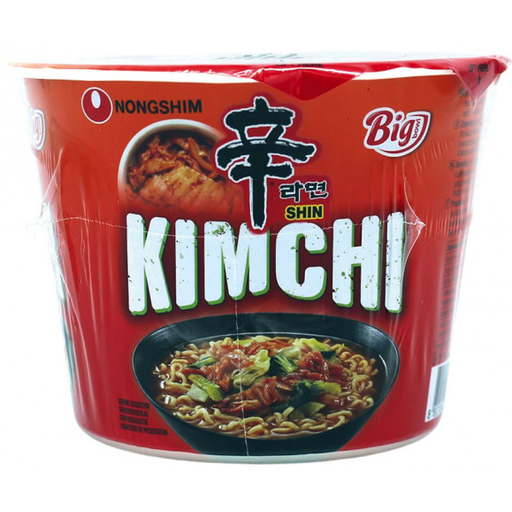
Why This Fits Their Persona: For those who are short on time but still want a filling meal. This 'big bowl' is ready in minutes by just adding boiling water. Ideal for the office or during a late-night study session.
Nongshim is known for noodles that retain their firmness well, even in a cup. The flavor is a reliable, spicy kimchi standard, helping you avoid the pitfall of a generic, flat taste.
Maximum convenience with a generous 112-gram portion. No pots or washing up required.
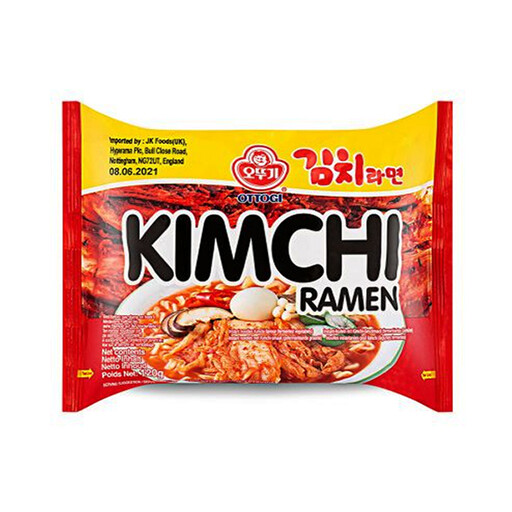
Why This Fits Their Persona: For those seeking a flavor that comes close to a real Korean kimchi stew (jjigae). This packet is meant for preparation in a pot, which allows for your own additions.
Ottogi's broth has a noticeable sourness, which is characteristic of fermented kimchi and often absent in other brands. The noodles are chewy and don't get mushy easily when prepared correctly.
Well-balanced, deep flavor with a distinct kimchi sourness. According to the brand, it contains real kimchi seasoning.
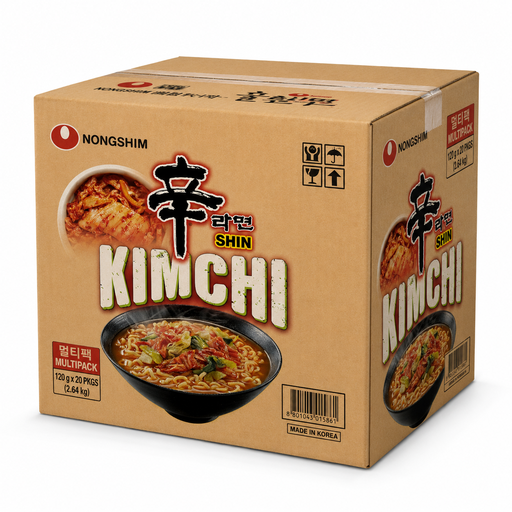
Why This Fits Their Persona: Ideal for the bulk buyer who regularly enjoys a bowl of ramyun. By buying in bulk, you always have a quick meal on hand and save significantly on the cost per serving.
You're buying a large quantity of a proven and popular classic. No risk of a pantry full of disappointing noodles. The quality of Nongshim Kimchi Ramyun is consistent and reliable.
Excellent price per packet. Perfect for stocking up for quick and easy meals.
We've compiled a complete, up-to-date list of products that fully meet these strict selection criteria and current regulations.
The easiest way to upgrade your noodle soup is by adding fresh ingredients. A soft-boiled or fried egg, some finely sliced spring onion, a spoonful of fresh kimchi, or even a slice of processed cheese (a popular addition in Korea) can elevate your meal to the next level.
The level of spiciness varies by brand and product line. In general, Korean ramyun is spicier than many other types of instant noodles. Nongshim is known for its robust, spicy flavor. If you're unsure of your tolerance for spicy food, you can start by using half of the seasoning packet and adding more to taste.
Although the terms are sometimes used interchangeably, there is a clear difference. 'Ramen' usually refers to the Japanese noodle soup, which is often made with fresh noodles and a broth based on pork (tonkotsu), miso, or soy. 'Ramyun' is the Korean term and almost always refers to instant noodles. Korean ramyun is known for its powerful, often very spicy flavors, with kimchi being one of the most popular varieties.
