
Vandaag of morgen in huis

Kwaliteit gegarandeerd

Welkomstaanbiedingen ontgrendelen: GRATIS bezorging | Tot 80% korting | Gratis 30 dagen JoyPlus-proefperiode
Download de app
When you buy kimchi and pickled vegetables online, you’ll quickly come across dozens of jars, tins and pouches with similar-looking images. Yet the flavour, packaging, portion size and salt content can vary considerably. A product that works well with rice, noodles or porridge isn’t necessarily suitable as an ingredient for a stir-fry.
This guide helps you look beyond the marketing claims and focus on the verifiable product information. That way, you can make a more informed choice between Korean kimchi, Chinese pickled vegetables, pickled cabbage, pickled radish and zhacai.
A product may have a Korean-style recipe or name, but be produced in another country. For example, OBAP Korean Kimchi lists Korean-inspired ingredients and a Korean product name, yet the product information states China as the country of origin. Always check:
The origin matters most when you’re looking for a specific flavour or preparation method.
Some products are ambient-packed and can be stored unopened in a cool, dry pantry. This applies, for instance, to various types of canned kimchi. Once opened, the rules often change: the product then needs to be refrigerated and used within the recommended period.
Also look out for damaged packaging, a bulging tin or an unusual smell. When in doubt, follow the label and use the official best-before date on the packaging.
Pickled vegetables are preserved with salt, acid, spices or a combination of these. As a result, the salt content can be higher than you might expect based on the portion size. Examples from product information:
“Reduced-salt” doesn’t automatically mean low in salt. Compare the nutritional information per 100 grams and use salty products as a side dish or flavouring in small portions.
Look at the proportion of the main vegetable. For example, JI XIANG JU Pickled Mustard Tuber states minimum 90% mustard stem. WU JIANG Pickled Radish Cubes states 93% radish. This gives you a clearer picture of the ratio of vegetable to brine, oil and seasonings.
The shape also determines how you use it:
Korean kimchi often contains napa cabbage, radish, chilli, garlic, ginger and onion. Some varieties also include shrimp, anchovies or soy. For instance, Jongga KR Chongga Mat Kimchi lists fermented anchovy sauce and shrimp sauce, so the product contains shellfish.
Chinese pickled vegetables, on the other hand, can be more intensely sour, salty, spicy or savoury. Jiaxingju Pickled Radish with Chilli combines radish with chopped chilli, vinegar, garlic, ginger and sesame oil. If you have allergies, always check the full label. Product information online can change; the packaging is the final authority.
A pack of 150 to 200 grams is practical when you want to try a flavour first, or when you’re buying for one or two meals. Multipacks with small sachets are ideal for portion control and pantry storage. For example, the JI XIANG JU pack contains five 80 g portions, while WU JIANG contains four 60 g sachets.
A 160 g tin is handy if you want to store a product unopened without refrigeration. Sempio Canned Kimchi Original can be used as a side dish, topping or ingredient, according to the product description. Just remember to check the storage instructions again after opening.
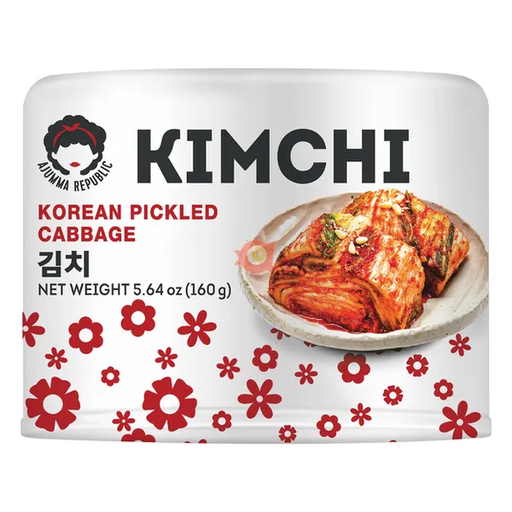
Why it fits this profile: A compact portion to try Korean kimchi with rice, noodles or fried rice, without committing to a large pack straight away.
The packaging shows a clear portion size and nutritional values per 100 grams, so you can compare flavour and salt content.
160 grams; sliced fermented cabbage; described as suitable for use as a side dish and ingredient.
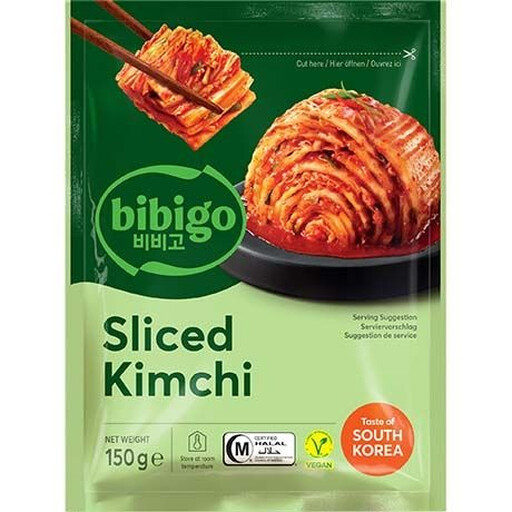
Why it fits this profile: Ideal for anyone who wants to check ingredients, allergen information and a compact pantry pack in advance.
The product information includes details such as 63% salted napa cabbage, 1.7 g salt per 100 grams and none of the 14 major EU allergens.
150 grams; ambient packaging; sliced cabbage and radish; clear storage information.
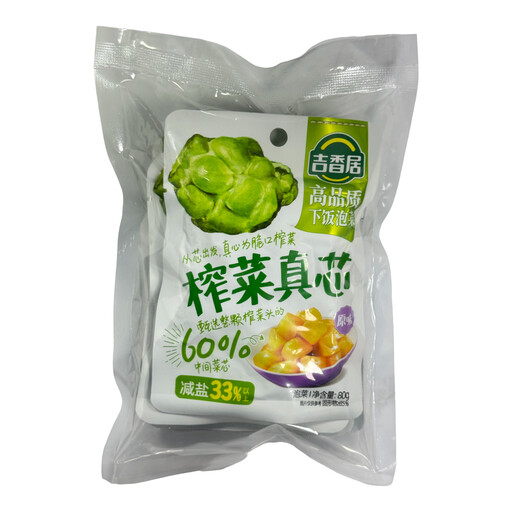
Why it fits this profile: For home cooks who regularly prepare Chinese dishes and use zhacai or pickled mustard tuber across multiple meals.
The five individual packs prevent unnecessary opening of the entire supply. The product description states a minimum of 90% mustard stem.
400 grams total; individually packed; ready to eat and, according to the instructions, also suitable for stir-fries or porridge.
We’ve put together a full, up-to-date list of products that fully meet these strict selection criteria and comply with current European safety regulations.
Not always. Some packs can be stored unopened in a cool, dry pantry, such as ambient kimchi or canned kimchi. Once opened, you usually need to refrigerate it and use it within the recommended period. Always read the label on the specific pack.
Korean kimchi is often made from fermented cabbage or radish with chilli, garlic, ginger and other seasonings. Chinese pickled vegetables include zhacai, pickled mustard tuber and radish. These are typically used as a savoury, sour or spicy side dish with rice, noodles and porridge. The exact flavour depends on the recipe, salt, acid and spices.
It varies by product and packaging. Seal the pouch, tin or jar tightly, refrigerate after opening if instructed, and use within the time stated on the label. Watch for changes in smell, colour, texture or packaging, and when in doubt, follow the manufacturer’s instructions.
