
Vandaag of morgen in huis

Kwaliteit gegarandeerd

Welkomstaanbiedingen ontgrendelen: GRATIS bezorging | Tot 80% korting | Gratis 30 dagen JoyPlus-proefperiode
Download de app
By Joybuy, Product Recommendation Officer
You're in the supermarket aisle or scrolling online and you spot the iconic red cap. You know you want Kikkoman soy sauce, but then you see the different options: the classic, a bottle with a green cap, and a gluten-free version. Which one should you choose? The decision can be surprisingly tricky.
As a Product Recommendation Officer at Joybuy, my job is to help you make an informed choice, without the marketing jargon. In this guide, we'll explore the different types of Kikkoman soy sauce, so you'll know exactly which bottle best suits your cooking style and dietary needs.
Before you add a bottle to your cart, here are a few practical points to consider. These will help you select the right variety for your dishes.
Not all soy sauces are created equal. The most important characteristic of Kikkoman is that it's a naturally brewed soy sauce. This process, which takes several months, uses only four basic ingredients: soybeans, wheat, water, and salt. The result is a complex, deep umami flavour and a clear, reddish-brown colour. Cheaper, non-brewed soy sauces are often chemically produced and lack this depth. For an authentic taste, the brewing method is a key factor to consider.
Kikkoman caters to specific dietary needs with specially adapted versions.
Consider how often you use soy sauce. The small 150 ml or 250 ml bottles are convenient as table dispensers or for those who use it sporadically. Are you an avid home cook who regularly stir-fries, marinates, or makes sushi? A larger bottle of nearly a litre might be more economical in the long run.
Based on product specifications and their intended use, we've highlighted three popular choices for you.

Why It Stands Out This is the original, naturally brewed soy sauce, renowned worldwide for its balanced flavour. It's a true all-purpose seasoning that can be used both as a cooking ingredient and a table condiment.
Pros
Who It's For For the home cook looking for that one, reliable flavour enhancer that works in almost any dish. If you want a versatile soy sauce that sets the standard, this is the bottle for you.
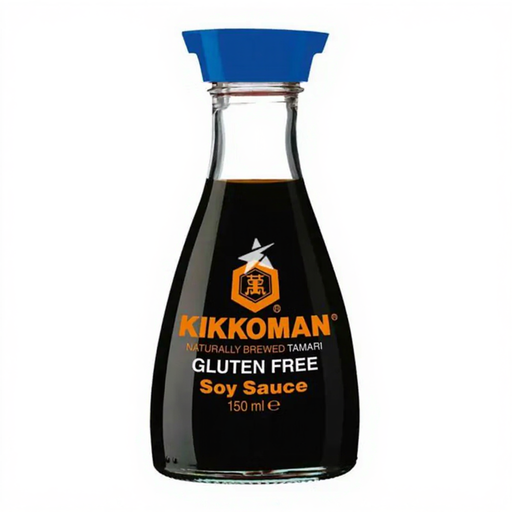
Why It Stands Out This gluten-free soy sauce is specially developed for those who need or want to avoid wheat. The sauce is brewed without wheat, giving it a pure soy flavour that is slightly richer than the original.
Pros
Who It's For An excellent choice for anyone with a gluten intolerance or for foodies who appreciate the pure, unadulterated flavour of tamari. Perfect as a dipping sauce for sushi or as a seasoning in gluten-free dishes.

Why It Stands Out This version offers the familiar Kikkoman taste but with significantly less salt. The large 975 ml bottle makes it an economical choice for families and frequent cooks.
Pros
Who It's For For health-conscious consumers who want to reduce their salt intake without sacrificing flavour. Also perfect for families or anyone who cooks regularly and is looking for a low-sodium soy sauce in a value-sized package.
The world of Japanese seasonings is rich and diverse. Besides Kikkoman soy sauce, are you curious about other products like mirin, rice vinegar, or ponzu? Or are you looking for a specific variety not highlighted here?
? Explore our full range of Japanese seasonings and discover more options for your kitchen.
No, the classic Kikkoman soy sauce (with the red cap) contains wheat and is therefore not gluten-free. Kikkoman does offer a specific gluten-free soy sauce, often referred to as Tamari. Always check the label for ingredients if you follow a gluten-free diet.
The main difference lies in the production process. Kikkoman is a naturally brewed soy sauce, a process that takes months and yields a complex flavour. Many other, often cheaper, soy sauces are chemically produced, which is faster but results in a less deep and often saltier taste.
For the best flavour and quality, it is recommended to store the bottle in the refrigerator after opening. The sauce will then stay good for several months. You can find the exact shelf-life information on the product's packaging.
