
Vandaag of morgen in huis

Kwaliteit gegarandeerd

Welkomstaanbiedingen ontgrendelen: GRATIS bezorging | Tot 80% korting | Gratis 30 dagen JoyPlus-proefperiode
Download de app
Finding the right kids' sneakers can be a challenge. Children run, jump, and play, and their shoes need to withstand it all. At the same time, you don't want to waste money on sneakers that fall apart after a few weeks on the playground. Many parents fall into the same traps: they opt for a flashy design that isn't durable, or buy a shoe with an impractical fastening.
Before you make a choice, it's important to know what to look for. This guide will help you ignore the marketing jargon and focus on what truly matters for comfortable and durable kids' sneakers.
A good kids' sneaker is more than just a small version of an adult shoe. Pay attention to the following three points to ensure you choose a model suitable for daily use at school and on the playground.
The lifespan of a sneaker heavily depends on the material of the upper. Many sneakers for children, like the popular New Balance kids' sneakers, use a combination of materials for a good balance between durability and comfort.
A shoe made only of thin textile might look nice, but it often can't withstand intensive outdoor play.
The sole is the foundation of the shoe. A poor sole can lead to slipping or discomfort. Pay attention to two components:
The choice between sneakers with Velcro and laces is primarily a practical one.
This choice is relevant for both sneakers for boys and sneakers for girls.
To help you with your choice, we have matched some popular models to different user profiles.
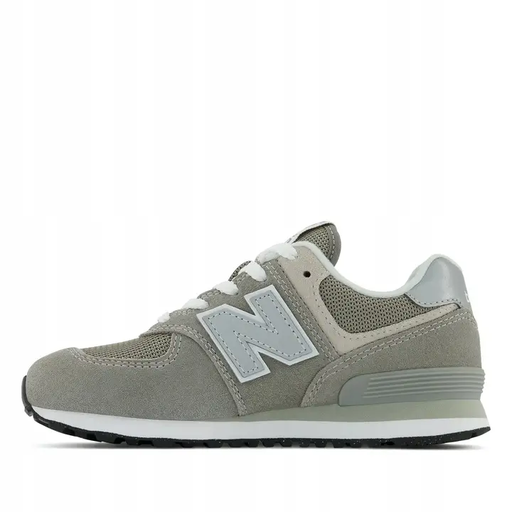
Why This Fits Their Persona: Perfect for younger children who want to put on and take off their shoes themselves. The convenient Velcro fastening makes this model ideal for the transition from home to school or daycare.
This model bypasses the pitfall of an impractical fastening. Furthermore, the sturdy construction of suede and mesh prevents the rapid wear and tear seen in purely fashion-oriented shoes.
Convenient Velcro fastening for independence. The lightweight EVA midsole provides cushioning for comfortable play.
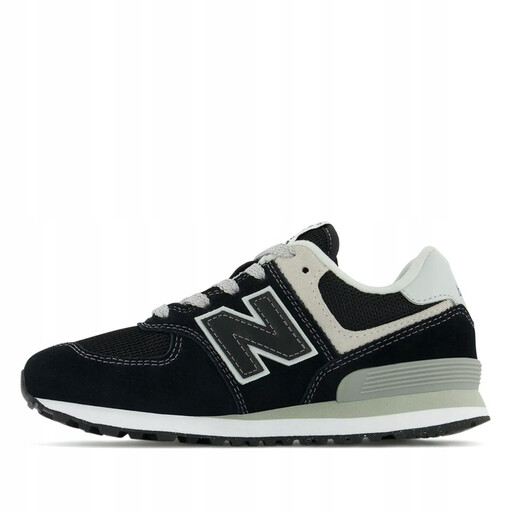
Why This Fits Their Persona: For the active schoolchild who needs a shoe that can handle anything. The lace-up fastening ensures a secure fit that stays in place during running, climbing, and playing football at break time.
The robust rubber outsole with a tread pattern avoids the pitfall of a slippery sole. The durable material mix of suede and mesh is resistant to intensive use.
Classic New Balance 574 kids' design with a secure lace-up fastening. The cushioned midsole provides comfort for a full day of activities.
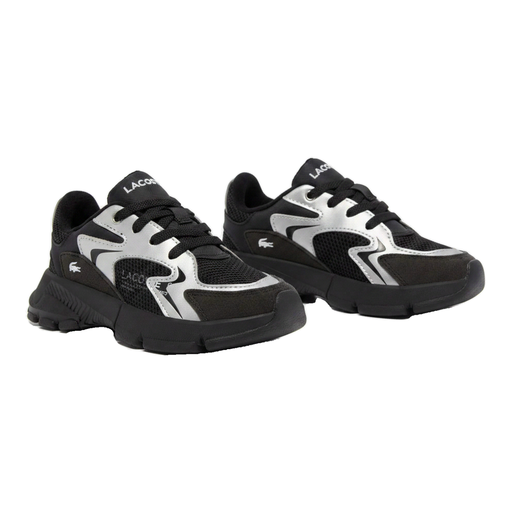
Why This Fits Their Persona: For older children and pre-teens for whom brand and style are important. The modern, sporty silhouette of these Lacoste kids' sneakers fits well with a fashion-conscious wardrobe.
This model proves that style and function can go hand in hand. It's not just a fashionable shoe, but also has a cushioned insole and a durable rubber outsole for grip.
A contemporary and sporty design. The lightweight construction and supportive insole ensure all-day comfort.
We have compiled a complete, real-time list of products that fully satisfy these strict selection criteria and UK safety regulations.
Children's feet grow quickly. Measure your child's feet before you buy. Have your child stand up straight with their heel against a wall and measure from the wall to the tip of their longest toe. Ensure about a thumb's width (1 to 1.5 cm) of extra space at the front of the shoe. Sizes can vary by brand, so check the manufacturer's size chart if possible.
The lifespan depends on how intensively your child uses the shoes. A good pair should last a full school season, or until your child's feet outgrow them. Regularly check the shoes for signs of wear, such as a worn-out tread on the sole, holes in the upper, or a heel that has lost its shape. These are signs that it's time for a new pair.
Both types of fastenings have their own advantages. For young children, Velcro is often more practical and promotes independence. For older children who run and play a lot, laces offer a firmer, more precise fit, which reduces the risk of the foot slipping inside the shoe or twisting an ankle. So, the quality isn't necessarily better or worse, but depends on the child's age and activity level.
