
Vandaag of morgen in huis

Kwaliteit gegarandeerd

Welkomstaanbiedingen ontgrendelen: GRATIS bezorging | Tot 80% korting | Gratis 30 dagen JoyPlus-proefperiode
Download de app
Picking out a kids' scooter might seem straightforward—until you see the vast array of options. A three-wheeled scooter for stability? A foldable one for the car boot? Or perhaps an electric kids' scooter with app controls? The choices can be overwhelming.
As a Joybuy Product Recommendation Officer, I'm here to guide you. In this article, we'll examine the specifications of several popular models. This will help you make an informed decision that suits your child and your family's needs, without getting distracted by marketing buzz.
Before we dive into specific models, here are a few key factors to consider. They will help you filter the options and determine what's truly important.
The number of wheels is often the first decision you'll make.
Also, pay attention to the brake. A foot-operated rear brake is standard and intuitive for most children.
Children grow quickly. A scooter that grows with them is a sustainable investment. Therefore, look for a model with a height-adjustable handlebar. Also, check the maximum weight capacity. A scooter that can support up to 50 kg or more will last for years. For example, a scooter for a 5-year-old has different requirements than one for a ten-year-old. An adjustable model bridges this gap.
Modern kids' scooters often come with fun and practical features:
Based on functionality and specifications, we've highlighted a few interesting models for you.
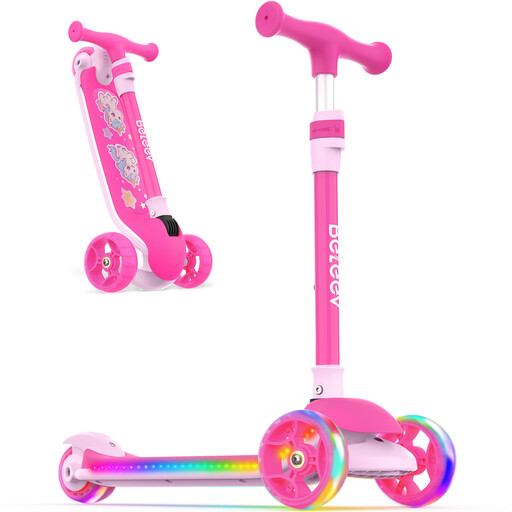
Why It Stands Out: This model combines the stability of a 3-wheel scooter with the fun factor of lights. The wheels light up through motion, so no batteries are required. The deck, however, features battery-powered LED lighting with eight different modes. The ‘lean-to-steer’ system helps young children find their balance.
Key Features:
Who Is This Scooter For? Ideal for young children (manufacturer's recommended age: 3-12 years) getting their first scooter experience. The stability and lights make it an appealing and safe start. The pink colour makes it a popular scooter for girls, but its functionality is universal.

Why It Stands Out: The V10 is a robust two-wheeler for kids who have outgrown the three-wheel design. The handlebar is adjustable to five different heights, making this scooter suitable for older children, teens, and even adults up to 100 kg. The deck is equipped with LED lighting with nine modes for style and visibility.
Key Features:
Who Is This Scooter For? Suitable for children from 6 years old and teenagers looking for a fast, smooth, and durable scooter. It's an excellent choice for the daily ride to school or for recreational use on weekends.
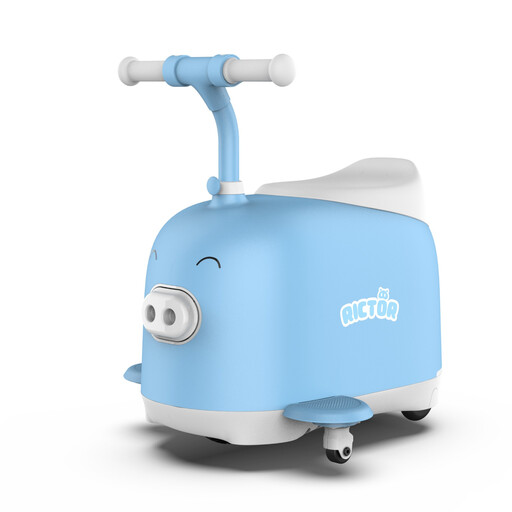
Why It Stands Out: This is more than just an electric kids' scooter. The Rictor C8 Piggy combines technology, safety, and playfulness. Its unique 5-wheel anti-tilt system provides maximum stability. Parents can set the maximum speed via an app (5, 10, or 15 km/h) and monitor usage. Interchangeable modules, such as a bubble machine or sound module, add an extra element of play.
Key Features:
Who Is This Scooter For? For tech-savvy families with children between 5 and 12 years old. It's an excellent choice if you're looking for a scooter that combines fun, innovation, and advanced safety features.
These recommendations are a starting point. Every child is different, and you might be looking for a different model, colour, or price range. For a broader overview of all available models, you can browse our full category.
? Discover more models in the wheeled scooters category
Most children can start on a stable 3-wheel scooter from the age of 2 or 3. These models, with a low deck and a ‘lean-to-steer’ mechanism, are designed to develop balance and coordination safely. Always read the manufacturer's recommendations for specific age and height requirements.
Safety is an understandable concern. Modern electric kids' scooters, like the Rictor C8, are designed with safety as a priority. Features such as a low maximum speed, a stable design (like the 5-wheel system), and parental controls via an app help to mitigate risks. However, it is crucial that a child always wears protective gear (helmet, knee, and elbow pads) and does not use the scooter on public roads.
The right size is crucial for comfort and control. The most important indicator is the handlebar height. The handlebar should be at about the child's navel or hip height. An adjustable handlebar is therefore a very useful feature, as you can adapt the scooter to your child's growth. Always check the maximum weight capacity of the scooter as well.
