
Vandaag of morgen in huis

Kwaliteit gegarandeerd

Welkomstaanbiedingen ontgrendelen: GRATIS bezorging | Tot 80% korting | Gratis 30 dagen JoyPlus-proefperiode
Download de app
As a parent, you want two things: for your child to be safe and to have fun. Choosing a kids' helmet brings these two desires together. But the search can feel like navigating a maze. The selection is vast, and the marketing is loud. The result? Parents often fall into the same traps, buying a helmet that's unsafe, doesn't fit, or ends up collecting dust in a corner after just two uses.
Before you make a choice, it's wise to understand the most common pitfalls:
This guide will help you avoid these pitfalls and choose a helmet that is both safe and comfortable—one your child will actually enjoy wearing.
You don't need to be a product engineer to make a great choice. Just focus on three concrete, verifiable features.
A helmet only works if it stays securely on the head during a fall. Therefore, size is the most critical factor.
In the EU, helmets for cyclists, skateboarders, and roller skaters must comply with the EN 1078 standard. A helmet with this certification has been tested for shock absorption, construction, chin strap strength, and field of vision.
A CE-certified helmet that meets the EN 1078 standard is therefore a fundamental requirement. This means the helmet is suitable as both a child's bike helmet and a child's skate helmet. Always check for this label inside the helmet or on the packaging.
A safe helmet that isn't comfortable won't be worn. Pay attention to the following points:
Based on these criteria, we have selected several helmets that suit different needs and age groups.
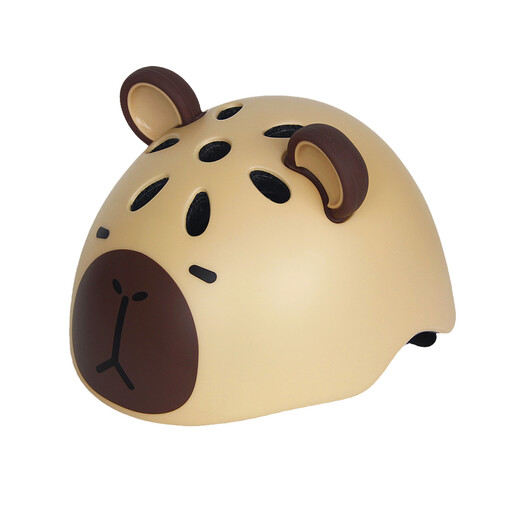
Why This Fits Their Persona: For toddlers and preschoolers, wearing a helmet is often a battle. The playful capybara design with 3D ears turns safety into a game, making it more likely they'll voluntarily put it on for a bike ride or a scooter session.
This helmet bypasses the "fun-but-unsafe" trap. It combines an appealing design with serious in-mould construction, a dial-fit adjustment system, and EN 1078 certification.
Lightweight design that's comfortable for small children. The combination of a playful look and certified safety features.
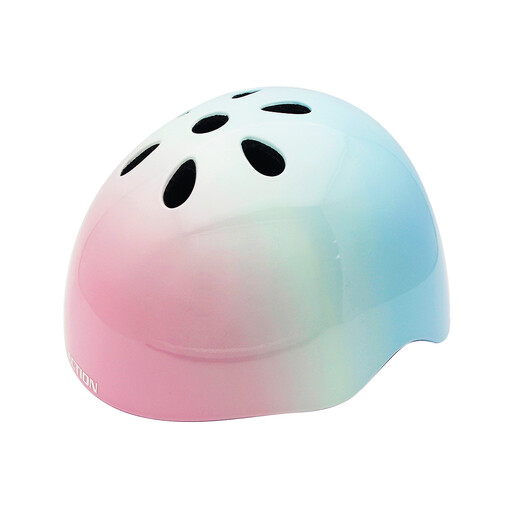
Why This Fits Their Persona: For older kids who have outgrown animal themes, this helmet offers a cool, modern alternative. The gradient colour pattern is eye-catching without being childish, increasing the chances they'll actually wear it at the schoolyard or skatepark.
This helmet solves the "I'm-not-a-little-kid-anymore" problem. It provides a more mature look but doesn't compromise on essential safety features like in-mould construction, good ventilation, and an adjustable fit.
Durable and light in-mould construction. The unique design appeals to an older age group, while the 7 ventilation holes ensure comfort.
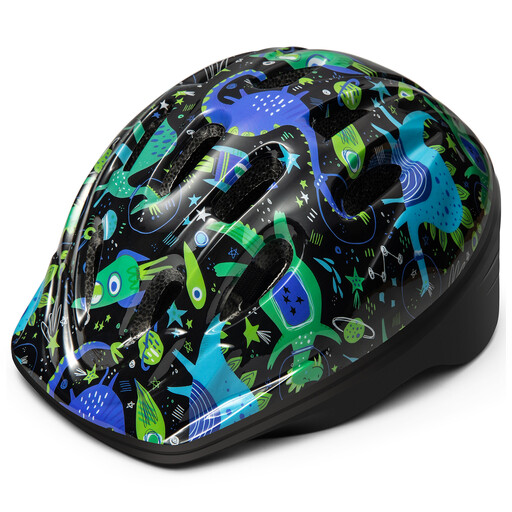
Why This Fits Their Persona: For the child who not only bikes but also skates, scooters, and tries out new tricks. This helmet is built with a robust ABS outer shell designed for the kind of impacts associated with these activities.
This helmet goes beyond a standard bike helmet. It addresses the need for a tougher child's skate helmet, with a more durable construction that better withstands the falls and bumps common in skating and stunting.
Reinforced ABS shell for extra durability. It comes with two sets of removable liners, allowing for a customisable fit and easy washing.
We have compiled a complete, up-to-date list of products that fully meet these strict selection criteria and safety regulations.
The only reliable way is to measure your child's head circumference with a flexible measuring tape, about 2 cm (or one inch) above the eyebrows. Compare this number with the helmet's size chart. A well-fitting helmet is snug but comfortable and doesn't shift when your child shakes their head.
A helmet must be replaced immediately after a hard fall or significant impact, even if there is no visible damage. The internal shock-absorbing structure can be compromised, causing the helmet to lose its protective capabilities. Additionally, it is recommended to replace a helmet every 3 to 5 years, as the materials can degrade over time due to exposure to sunlight and sweat.
Yes, if the helmet complies with the EN 1078 standard. This European standard is specifically designed for helmets used for cycling, skateboarding, and roller skating. A helmet with this certification therefore offers sufficient protection for all these activities. Always check the label inside the helmet.
