
Vandaag of morgen in huis

Kwaliteit gegarandeerd

Welkomstaanbiedingen ontgrendelen: GRATIS bezorging | Tot 80% korting | Gratis 30 dagen JoyPlus-proefperiode
Download de app
Buying children’s clothes online seems easy, until a T-shirt loses its shape after a few washes or a sweatshirt turns out much smaller than expected. This is especially important with baby clothes and children’s clothing for fast-growing children, where small differences in sizing can make a big difference.
When comparing items, don’t just look at the colour or brand name. The following pitfalls are common:
Start by looking at the length or EU size and compare it with your child’s body measurements. For example, the available Chicco size chart runs from size 44 for newborns to size 152 for approximately 12 years old. The stated chest measurement ranges from 38 to 70 cm, depending on the size.
The age in a product title is only a guideline. If you’re unsure, measure:
For children’s clothing in sizes 56 to 152, it’s wise to check each brand’s size chart separately. A Chicco long-sleeve T-shirt and a Tommy Hilfiger children’s sweatshirt may have the same length on the label, but fit differently because of their style and cut.
A product with a high cotton content can be comfortable for everyday wear. However, check whether elastane or other fibres have also been added. One example is the Chicco short-sleeve bodysuit 2 pack, whose product information states that it contains 95% cotton and 5% elastane. This gives the garment some stretch, which is practical when dressing and undressing your child.
With a boys’ underwear set, an elasticated waistband can be important for the fit. According to the product information, the Calvin Klein 2-Pack Boys Briefs are made from 95% cotton and 5% elastane and have a medium-rise waistband. Always check that the selected size matches your child’s body measurements, rather than relying on age alone.
For children’s clothing made from organic cotton, pay attention to exactly what is stated. According to Tommy Hilfiger’s product description, the mentioned sweatshirts and hoodies are made from organic cotton; independent certification is listed for some models. This information comes from the product and brand description and is not a general guarantee of the lifespan or performance of every garment.
A garment for school has different requirements from an extra layer for outdoor wear.
A hood is not always practical underneath a coat or when using a car seat. A crew-neck sweatshirt may be easier to combine in these situations. So consider your child’s everyday activities before choosing based on appearance alone.
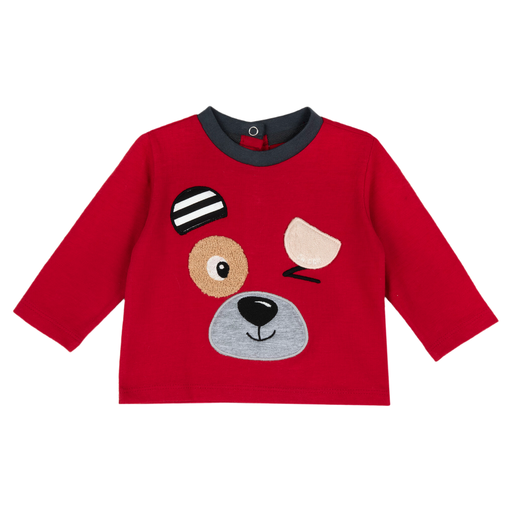
Why it suits this profile: A straightforward style for babies and young children that can be worn as a layer underneath a cardigan or coat.
The product page provides a specific size and body measurement chart, so you don’t have to choose based on age alone.
Long-sleeve style, medium red colour and sizes from 44 to 152 in the stated Chicco range.
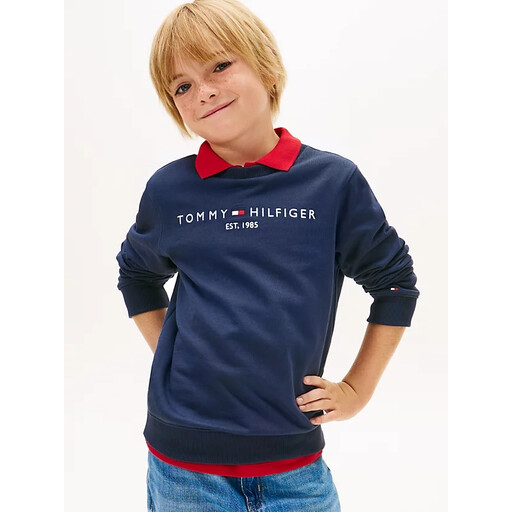
Why it suits this profile: A gender-neutral children’s sweatshirt for school, weekends and everyday wear.
The product information states the main material and gives EU sizes from 98 to 140, along with body measurements for comparison.
According to the product description: pure organic cotton, a crew neck and rib-knit trims at the neck, cuffs and hem.
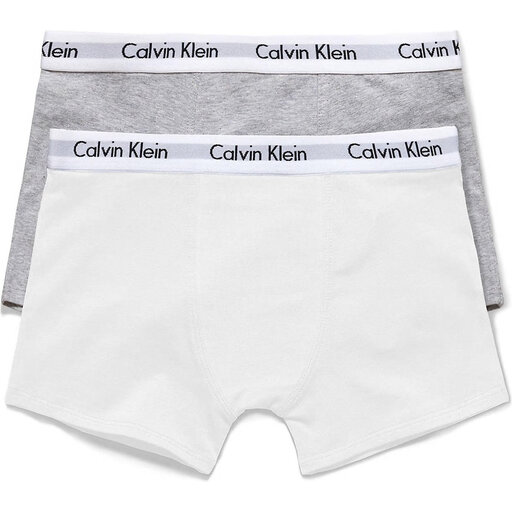
Why it suits this profile: An underwear set for children who need several changes during the day.
The set contains two pairs of briefs, and the product information lists a specific composition and a washing recommendation of 30 °C.
95% cotton and 5% elastane according to the product details, with an elasticated waistband and machine washing at 30 °C.
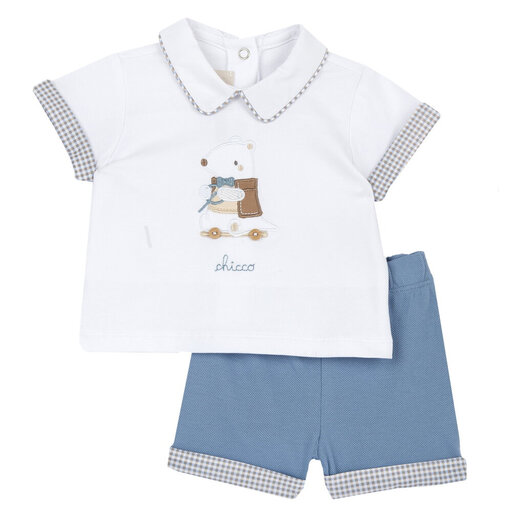
Why it suits this profile: A combination for babies, with two matching garments ready to wear together.
The product page states size 56, the age indication and the material composition, so you can compare them in advance.
Two-piece set, made from 95% cotton and 5% elastane according to the product information.
Always follow the care label inside the garment. The product pages indicate that washing temperature, drying method and ironing advice may vary depending on the composition. For example, a hoodie made from organic cotton may have different drying instructions from underwear containing elastane.
Turn clothes inside out when colour and prints matter, sort light and dark colours, and avoid using a higher temperature than stated on the label. This helps minimise unnecessary wear. Also check the seams, trims and fastenings before buying a garment; these are the parts that endure the most wear during intensive use.
We’ve put together a complete, up-to-date list of products that fully meet these strict selection criteria and the applicable European safety regulations.
Measure the chest, waist and hips and compare these measurements with the brand’s size chart. Use age only as an additional guide. Babies’ length and body shape can vary considerably.
Don’t choose a size based solely on room for growth. An oversized garment can be uncomfortable and impractical. Compare your child’s current body measurements with the size chart, and for sweatshirts and hoodies also check the shoulder width and sleeve length.
Not automatically. Organic cotton describes the origin or production method of the cotton, but does not in itself indicate how long a garment will last. So also check the fabric composition, seams, trims, care instructions and specific product information.
