
Vandaag of morgen in huis

Kwaliteit gegarandeerd

Welkomstaanbiedingen ontgrendelen: GRATIS bezorging | Tot 80% korting | Gratis 30 dagen JoyPlus-proefperiode
Download de app
Choosing a new kids' bike is a milestone, both for you and your child. But the selection can be overwhelming. Amidst the bright colors and popular themes, common pitfalls can quickly turn an exciting purchase into a source of frustration. As a Product Recommendation Officer at Joybuy, I see where things go wrong every day. Let's take a closer look at the most common mistakes so you can choose a model that's safe, durable, and above all, fun.
Before we look at specific models, it's important to know what to watch out for. Many parents unwittingly fall into the same traps.
bike with training wheels and a coaster brake is often all they need. Extra features add weight and require more maintenance.To avoid a bad purchase, let's focus on the specifications that truly matter. These are the three non-negotiables for any kids' bike.
The size of a kids' bike is indicated in inches, which refers to the wheel diameter. This is the most important factor for a safe and comfortable ride. Use your child's height as a guide, not their age.
balance bike has no pedals, allowing the child to focus entirely on their equilibrium.boy's bike or girl's bike with pedals and training wheels.kids' mountain bike or a kids' fat bike for adventurous rides.Tip: Make sure your child can place both feet flat on the ground while seated on the saddle.
A child needs to be able to brake intuitively. Most small kids' bikes combine two systems:
A fully enclosed chain guard is another crucial safety feature. It prevents fingers, clothing, or shoelaces from getting caught in the chain.
Not every bike is suitable for every age or purpose.
balance bike or a traditional bike with training wheels is the recommended choice. Focus on stability and simplicity.kids' mountain bike. These often have gears and better brakes, such as disc brakes. A kids' fat bike with extra-wide tires provides grip on sand, snow, or mud.Below are a few models that align well with different needs and age groups, based on their specifications.
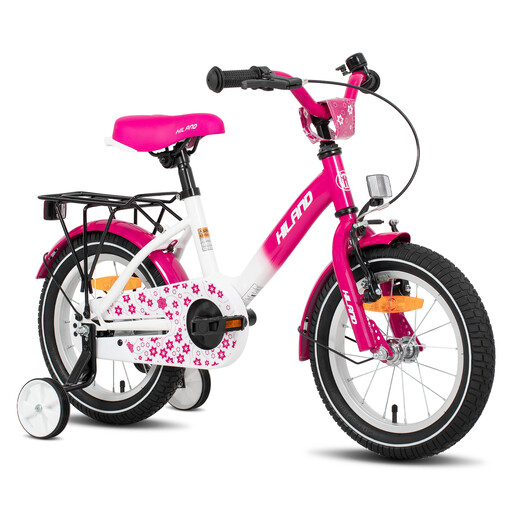
Why This Fits Their Persona: Ideal for children aged 3-6 (90-125 cm) who are learning to ride. The focus is on stability and safety, with a design that appeals to kids without compromising on functionality.
This bike avoids the pitfall of unnecessary complexity. It has a simple single-speed drivetrain, and the size is specifically tailored for beginners, preventing the "too-big bike" mistake.
Equipped with both a hand brake (V-brake) and a coaster brake. The fully enclosed chain guard and handlebar pads offer extra safety.
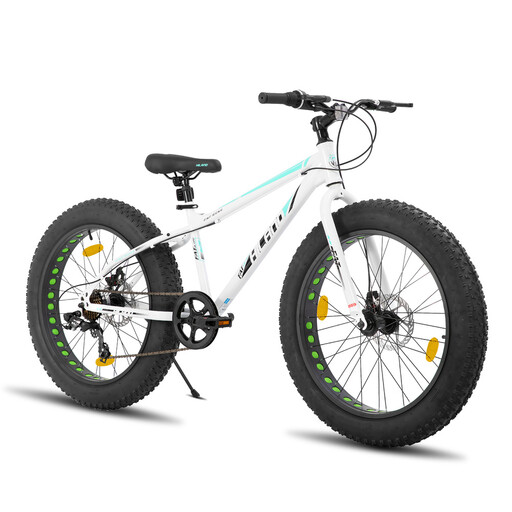
Why This Fits Their Persona: For older kids and teens who ride beyond the pavement. This fat bike is built for more challenging terrain like forest trails, sand, or mud, where a standard bike falls short.
Here, the 'advanced' features aren't a pitfall but a necessity. The gears and disc brakes are functional for the intended use. It's a specialized bike, not a standard one with superfluous extras.
The wide 4.0-inch tires offer excellent grip and stability. The Shimano 7-speed gear system and dual disc brakes provide control on hills and rough terrain.

Why This Fits Their Persona: Perfect for the little ones (ages 2-6) who need to develop their equilibrium. The absence of pedals forces the child to focus on balance, which can make the transition to a real bike much easier.
This model bypasses the training wheels debate. It's a purpose-built tool that teaches the most fundamental skill of cycling: balance. No distractions, no superfluous parts.
The saddle and handlebars are height-adjustable, allowing the bike to grow with your child. The puncture-proof tires mean less maintenance and more carefree playtime.
A good kids' bike is an investment in fun and freedom. If the suggestions above aren't a perfect match, we have a wider range that meets our strict criteria.
Measure your child's inseam. The distance from the crotch to the ground is an accurate indicator. Compare this to the bike's saddle height at its lowest setting. Your child should be able to stand with their feet flat on the ground while sitting on the saddle. Rely more on height and inseam than on the manufacturer's age recommendation.
There's no single right answer; it depends on the child. A balance bike is excellent for developing equilibrium. Children who start with one often transition directly to a bike without training wheels. A bike with training wheels immediately provides the feeling of pedaling and steering, but unlearning the reliance on them can be an extra step. Both are valid methods for learning to ride.
Most children are physically ready around the age of 3 to 4. More important than age is whether they have the coordination to pedal and steer, and if they can reach the ground on a correctly sized bike (usually a 12-inch kids' bike or 14-inch).
