
Vandaag of morgen in huis

Kwaliteit gegarandeerd

Welkomstaanbiedingen ontgrendelen: GRATIS bezorging | Tot 80% korting | Gratis 30 dagen JoyPlus-proefperiode
Download de app
Choosing a new kids' bike is a special moment. It's the start of new adventures, greater independence, and most of all, a lot of fun. But the selection can be overwhelming. What size is right? Are training wheels necessary? And what's the difference between a standard city bike and a rugged kids' mountain bike?
As a Joybuy Product Recommendation Officer, I'm here to help you get started. In this article, we'll provide practical tips and highlight some popular choices to help you find a model that fits your child's height, age, and preferences.
Before you choose a bike, there are a few key points to consider. These will help you make a durable and safe choice.
The right size is crucial for safety and enjoyment. The size of a kids' bike is indicated in inches and is based on the wheel size. A child should be able to stand with both feet flat on the ground when stationary.
A safe bike provides peace of mind for both parent and child. Pay attention to the following specifications:
The choice of bike type depends on where your child will be riding. A classic boys' bike or girls' bike is perfect for rides around the neighborhood and to school. For kids who love riding on unpaved trails, a kids' mountain bike or even a kids' fat bike is a better option. These often have wider tires with more tread and sometimes also include gears.
Based on product specifications and functionality, we have selected a few models of HILAND kids' bikes that cater to different ages and needs.
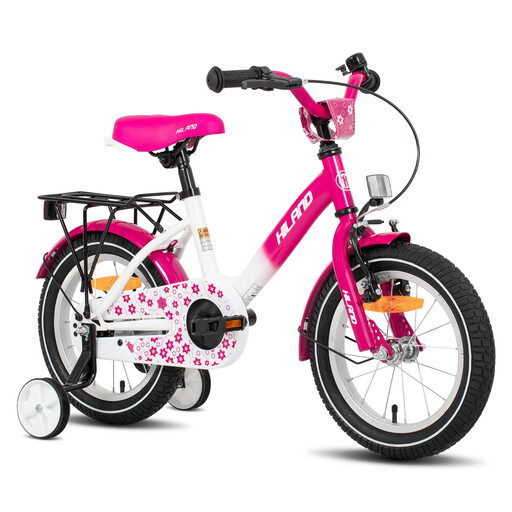
Why This Model Stands Out The HILAND Starry 12-inch is designed to be an ideal first bike. Its low steel frame makes getting on and off easy. The combination of a V-brake hand brake and a coaster brake gives children control while learning to brake.
Key Features
Who is this bike for? This model is a great choice for children aged 2 to 4 (height 80-105 cm) who are taking their first rides on a real bike.

Why This Model Stands Out This 16-inch kids' bike builds on the foundation of the 12-inch model but is tailored for slightly older and taller children. The bike retains key safety features like the dual braking system and chain guard but comes with a kickstand instead of training wheels, encouraging the transition to independent riding.
Key Features
Who is this bike for? Suitable for children aged 4 to 7 (height 105-135 cm) who are ready for a bigger bike and may already be able to ride without training wheels.
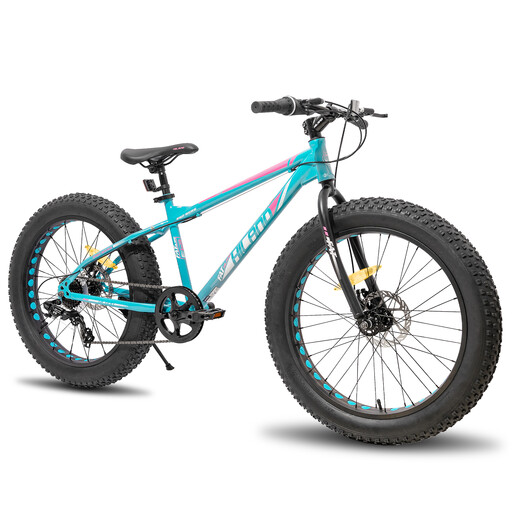
Why This Model Stands Out The HILAND Roon is not your standard kids' bike; it's a kids' fat bike designed for adventure. The extra-wide 4.0-inch tires provide grip on sand, mud, and uneven terrain. With 7 speeds and dual disc brakes, this is a serious bike for young explorers.
Key Features
Who is this bike for? This kids' mountain bike is ideal for older children and teens who love to ride off the beaten path and need a bike that can take a beating.
If the perfect bike for your child isn't here, or if you're curious about other colors and models, many more options are available to suit different preferences and styles.
View our full collection of Girls' Bikes here
The right size depends on your child's inseam and total height. As a guideline, you can use the following sizes:
This varies greatly from child to child. On average, children make the switch between the ages of 4 and 6. Good balance is key. A balance bike can help develop a sense of equilibrium at a young age, making the transition to a bike without training wheels easier.
A coaster brake is activated by pedaling backward. This is often intuitive and powerful for young children. A hand brake (usually a V-brake or disc brake) is operated with a lever on the handlebar. Many kids' bikes combine both systems, allowing a child to get used to hand brakes while retaining the security of the familiar coaster brake.
