What should you look for when choosing?
Collection digitisation can involve both text data and specimen images; the Society for the Preservation of Natural History Collections identifies both as possible digital collection content. So choose a keyboard based on the work you do when entering data and the steps involved in your own catalogue software.
| What to consider |
What should you check? |
Who is this important for? |
| Entering numbers and data |
Compare a keyboard with a numeric keypad with a TKL model, and try entering a representative mix of numbers, text and punctuation. |
If I enter lots of catalogue numbers, I want to type numbers quickly without having to keep looking for them on the top row. Around 36% of consumers give numeric entry top priority. |
| Working through records and source files |
Test the keys for navigation, searching and adding attachments in your own software; then check whether programmable keys can support those steps. |
When I switch between records, specimen information and source files, I want to know which steps my software supports. Around 29% of consumers prioritise navigation and file workflows. |
| Comfort during longer sessions |
Assess the size, key feel and position of the keyboard in relation to your mouse and workspace. |
If I catalogue for extended periods, I want a shape and setup that suit my workspace. Around 21% of consumers place the greatest importance on comfort when typing for long periods. |
| Layout and connection |
Check the physical keyboard layout, how you enter symbols, and whether your computer supports the cable, Bluetooth connection or USB receiver. |
When my data entry depends on specific characters or a particular connection, I want my keyboard and computer to work well together. Around 14% of consumers give layout and connection top priority. |
Keyboards on Joybuy
This selection includes keyboards for numeric entry and workflows involving programmable keys or switching between devices. Check the layout, connection and any software requirements for each model.
 No image available
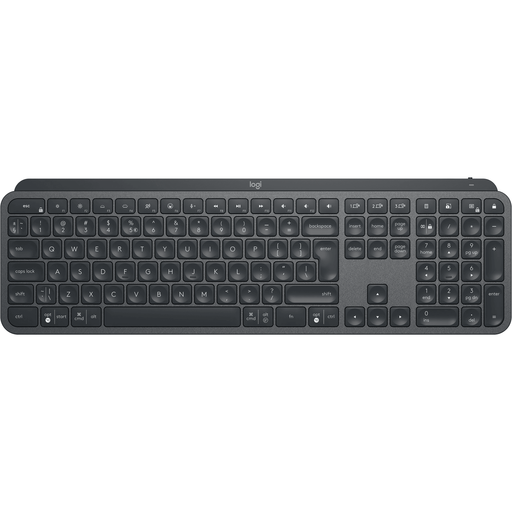
Logitech MX Keys for Business (Qwerty US)
An option if you combine numeric entry with switching between devices or using programmable keys.
The product information lists a numeric keypad, Bluetooth and wireless connection via Logi Bolt. According to the description, Easy-Switch supports up to three devices; programmable keys work with Logi Options+.
View at Joybuy
 No image available
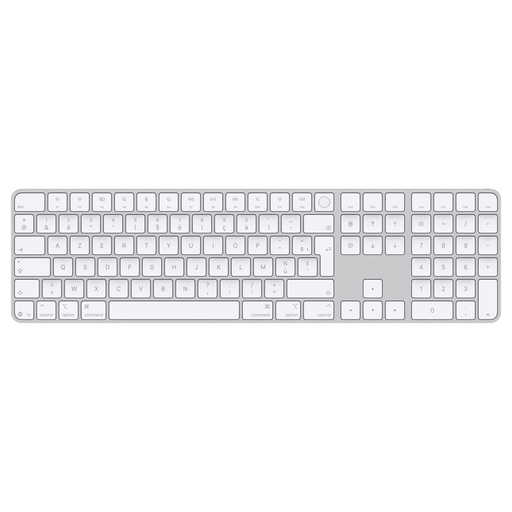
Apple Magic Keyboard with Touch ID and Numeric Keypad
An option if you enter lots of numerical data and can use the document navigation keys mentioned in your workflow.
The product information lists a numeric keypad, document navigation keys and USB-C charging. Automatic pairing and Touch ID are mentioned for Mac in the description.
View at Joybuy
 No image available
HP 725 Multi-Device Rechargeable Wireless Keyboard
An option if you want to combine programmable keys with switching between multiple devices.
The product information lists connections to two Bluetooth devices and one device via a 2.4GHz receiver. It charges via USB-C.
View at Joybuy
 No image available
HP 450 Programmable Wireless Keyboard
An option if you want a single keyboard for numeric entry and customisable shortcuts.
The product information lists a numeric keypad, a USB receiver and shortcuts that can be customised through HP Accessory Center.
View at Joybuy
 No image available
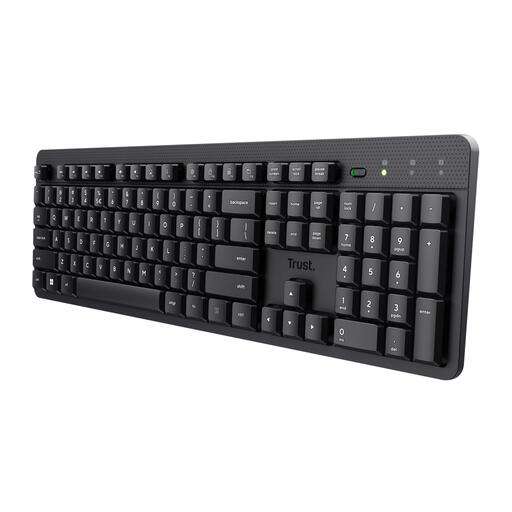
Trust Ody II wireless keyboard, QWERTY US, black
An option if you enter lots of numbers and want a full-size keyboard with a numeric keypad.
According to the product information, this version has a US QWERTY layout and uses a USB receiver. The product information also mentions quiet keys.
View at Joybuy
Frequently asked questions
Can a keyboard automatically link source files to the right fossil record?
No. Keyboard specifications alone won’t do that. Check how files or references are added to records in your own catalogue software, and how to verify the link.
Do I always need a numeric keypad?
No. A full-size keyboard with a numeric keypad can be a good fit if you enter lots of numbers; a TKL model leaves out the keypad and takes up less space. Compare both by trying a representative data-entry task.
What should I check when buying a wireless keyboard?
Check whether your computer can use Bluetooth or the supplied USB receiver, and make sure you’re choosing the keyboard version you want. Trust lists a USB receiver for the Ody II; the European product information for the PERIBOARD-817 lists Bluetooth and a USB receiver.
Do I have to use a separate keyboard if I catalogue on a laptop for extended periods at work?
According to Arboportaal, for an employee who works at a screen for more than two hours a day, the screen and keyboard must not be attached to each other. When using a laptop, that employee must therefore be able to use a separate screen or keyboard. This requirement applies to the work situation described and is not a general rule for private buyers.
What are my rights if I buy online or my keyboard is faulty?
According to ACM ConsuWijzer, ordinary online consumer purchases generally come with a statutory cooling-off period of up to 14 days after delivery, subject to exceptions. Your statutory guarantee is separate from any manufacturer’s warranty: if a product used normally does not meet what you could reasonably expect, the retailer is responsible for providing an appropriate solution.


