
Frequent long-form writer
You write long pieces and want to match your keyboard and workspace to comfortable typing. The shape and position of your keyboard are worth considering, but no keyboard can guarantee that you’ll avoid discomfort.


First, choose a layout and connection that work with your computer and document software. Then consider whether long typing sessions, a small desk or switching between devices matters most to you. A curved or split keyboard offers different positioning options from a flat model, while a compact layout may take some getting used to. Track Changes is a feature of your document software, not your keyboard.
You write long pieces and want to match your keyboard and workspace to comfortable typing. The shape and position of your keyboard are worth considering, but no keyboard can guarantee that you’ll avoid discomfort.
You regularly review changes and want a familiar layout and useful shortcuts for your version of Word and operating system. Microsoft Support notes that shortcuts can differ when you use a layout other than the US layout.
You switch between devices or work at a small desk, so you pay attention to compactness, connectivity and the position of frequently used keys.
Best for: a fixed workstation where you want a full-size keyboard with a numeric keypad.
Consider: checking that the required connection and layout are compatible with your computer.
Best for: a smaller desk or regularly switching between devices.
Consider: the more compact key layout may feel different; check the connection and power supply too.
Best for: anyone who wants to consider the shape and positioning of their keyboard and hands during long writing sessions.
Consider: shapes vary and may take some getting used to; comfort is personal.
| What to consider | What should you check? | Who should pay extra attention? |
|---|---|---|
| Comfort during long sessions | Compare the shape with the space available. The Chartered Institute of Ergonomics and Human Factors recommends keeping your shoulders relaxed and your forearms roughly horizontal while typing. | If I write for long stretches, I want a shape and set-up that suit my workspace. Around 33% of consumers prioritise comfortable typing during long sessions. |
| Layout and shortcuts | Check the layout shown, the keys you use and the shortcuts for your version of Word and operating system. Test in your document software to make sure changes are being tracked. | When reviewing documents, I want to find keys and shortcuts without constantly changing the way I work. Around 27% of consumers give top priority to review controls and key layout. |
| Space and devices | Compare the dimensions and layout, and check which connections are supported by each device. | If I work across different devices or at a small desk, I want a layout and connection that suit my workspaces. Around 20% of consumers prioritise desk space and switching between devices. |
| Connection and power | Check that your computer has the required connection. For a wireless model, see which connection it uses and whether it has a battery indicator. | For a desktop computer, I want a straightforward connection; for wireless use, I also want to know how to keep an eye on the battery. Around 20% of consumers focus mainly on connectivity and everyday convenience. |
In Word, you manage revision marks in the document software. A different keyboard won’t switch the feature on automatically.
Check the setting in the software and choose a keyboard based on its layout and controls.
Key combinations can vary by layout. The wired R-Go Split Break version reviewed has a US QWERTY layout.
Before buying, check the full variant name and the image or specification showing the layout.
A curved or split model offers different positioning options, but that alone doesn’t tell you how it will feel to use. Manufacturers’ comfort claims are no guarantee of an individual outcome.
Compare the shape with your workspace and assess the set-up for yourself; don’t take comfort claims as a certainty.
Offers two different options here: a full-size wired model for a fixed workstation and a compact Bluetooth model for switching between devices.
Wave Keys is worth considering if you want a keyboard with a wavy key layout and integrated palm rest, but aren’t looking for a split model.
The Split Break version reviewed is a split option for anyone who wants to position the two halves of the keyboard separately.
These product picks focus on keyboards for writing and document editing, including wired models and versions with different layouts.
 No image available
An option for a fixed workstation if you’re looking for a wired keyboard with a numeric keypad.
Full size; QWERTY layout; black; plug and play.
 No image available
A wired option if you’re looking for a mechanical keyboard with a wrist rest.
94 keys; the product name also mentions a wrist rest and phone holder.
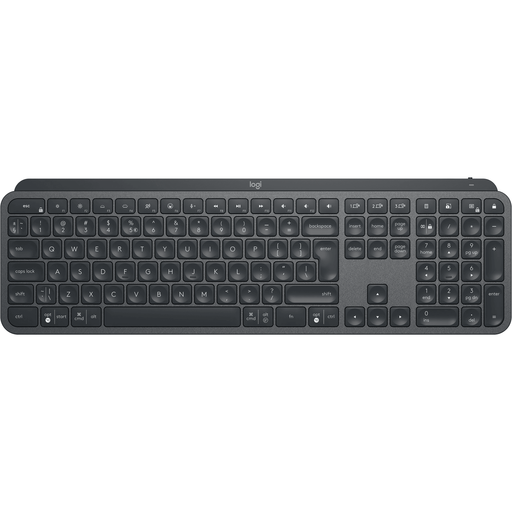 No image available
An option if you’re specifically looking for a US QWERTY version; check that the layout works with your keys and shortcuts.
The product name specifies US QWERTY.
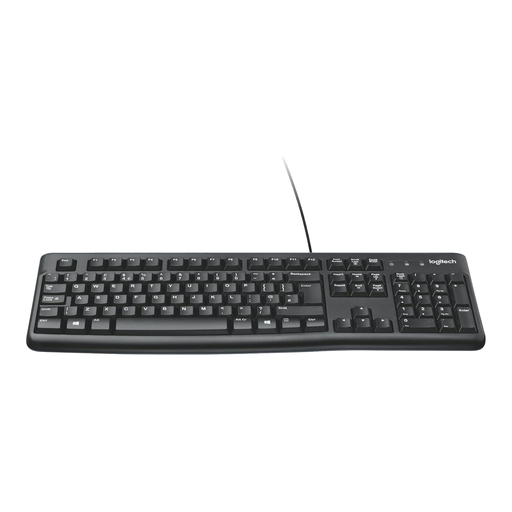 No image available
A wired option to consider for a fixed workstation.
The product name specifies a wired connection and a black finish.
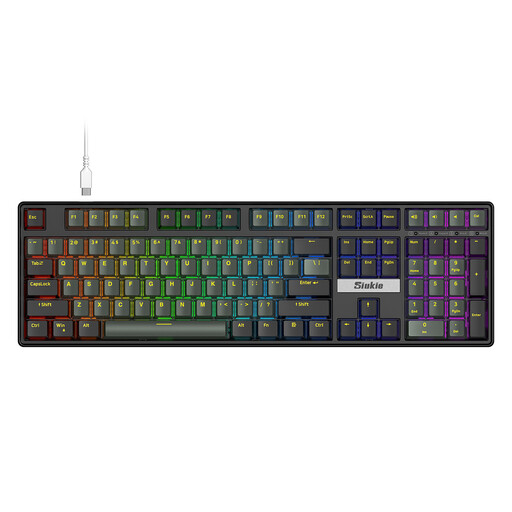 No image available
A wired option if you’re looking for a mechanical keyboard with replaceable switches.
108 keys; the product name specifies replaceable switches.
No, Track Changes is a feature in Word. Microsoft Support explains how to switch it on from the Review tab. Choose your keyboard based on its layout and controls, and check the setting in the version you use.
Not always. Microsoft Support notes that the published shortcuts are based on a US layout and may differ with other layouts. So check the layout of the version you’re buying and the instructions for your system.
Set up your workspace so your shoulders are relaxed and your forearms stay roughly horizontal while you type. The Chartered Institute of Ergonomics and Human Factors gives this as an ergonomic guideline; it doesn’t guarantee that a particular keyboard will prevent discomfort.
For an eligible distance purchase in the Netherlands, you generally have a 14-day cooling-off period, although there are exceptions. The Dutch government notes that buying from a private individual is not the same as a distance sale. If a product you’ve bought is faulty, you can ask the seller to put things right, including by repairing or replacing it free of charge.
The Dutch government lists options including the shop or online service where you buy a similar new device, a collection point or your local council recycling centre. Check with your chosen provider to find out how to return it.