You don’t need a special keyboard to view a script and reference material side by side: Microsoft Support explains how to snap windows in Windows using a mouse, touch or keyboard. Choose a familiar layout with keys that suit the way you edit and switch between windows. For long sessions, recording or a small desk, hand position, key noise and size may matter more, so check the exact version before you choose.
Who is this relevant for?
Writers who edit constantly
You keep your script and sources side by side and want familiar keys for switching between windows, moving the cursor and making corrections. Window layout depends on your computer and operating system, not on having a special keyboard. Microsoft Support explains how to arrange windows in Windows; Logitech lists integrated arrow keys on a business version of the MX Keys Mini.
Writers who work for long sessions
If you do a lot of typing, consider your hand position and how your workspace is set up. You could try a compact or split keyboard, without assuming that a particular shape will prevent physical discomfort. Arboportaal describes the repetitive movements and static strain that can be associated with working at a screen.
Writers who also record
If you type and record in the same room or at the same time, key noise may be a consideration. Manufacturers describe features such as key feel and noise reduction, but this doesn’t tell you how a keyboard will sound in your recording.
What should you look for when choosing?
Start with what you do most often while writing: navigating and editing, typing for long periods, recording or working in a limited space.
| What to consider |
What should you check? |
Who is this important for? |
| Moving between your script and reference material |
Check the physical arrow and editing keys, and check the keyboard shortcuts for your operating system and writing software. |
If I often switch between my script and source material, I want cursor movement and editing to be easy. Around 42% of consumers prioritise navigation. |
| Typing comfort during long sessions |
Try the key feel and hand position, and assess the keyboard as part of your overall workspace. |
For long writing sessions, I want a hand position and workspace that suit me. Around 33% of consumers put typing comfort first. |
| Key noise while recording |
Assess the sound of the exact version in your own space; don’t assume it will be quiet based on the product description. |
If I type while recording or share a room, I want to know how audible the keyboard is there. Around 17% of consumers prioritise key noise. |
| Space and switching between devices |
Check the physical layout and the connection required, and decide whether you switch between computers or only between windows. |
At a small desk, I want to save space; device-switching features matter most if I type on multiple computers. Around 8% of consumers prioritise space or device switching. |
Common buying mistakes
-
Confusing a reference window with the need to switch between devices
Using two windows on one computer is different from typing on multiple computers.
First, work out how many computers you actually use, then decide whether you need a device-switching feature.
-
Choosing a compact keyboard without checking the key positions
Familiar arrow and editing keys can be useful when making lots of script corrections; on a more compact layout, they may be in different positions.
Check the physical layout of the exact version and make sure it suits the corrections you usually make.
-
Assuming an ergonomic shape will prevent discomfort, or that a quiet keyboard won’t affect recordings
Comfort and audibility also depend on the user, workspace and recording conditions. Manufacturer descriptions aren’t independent measurements of how the keyboard will perform in your situation.
Assess the hand position and sound in the setting where you plan to use the keyboard.
-
Assuming programming features can be configured wirelessly
Keychron recommends a wired connection for Launcher to recognise the keyboard.
Before buying, check the setup process and connections for the exact model.
Brands to consider
Logitech
The MX Keys Mini is a compact option; the MX Keys S is a wider model with programmable features.
- Logitech lists integrated arrow keys on the business version of the MX Keys Mini. According to Logitech, the more stable key construction of the MX Keys S reduces noise.
- Check whether you’re looking at the consumer or business version, and check the physical layout. The noise description isn’t an independent measurement.
Keychron
The K3 Max is designed for those looking for a compact mechanical layout and keys they can assign themselves.
- Keychron describes the K3 Max as having a 75% layout, wired and wireless connectivity, and key remapping through Launcher.
- Hot-swap applies only to the specified hot-swappable version. Keychron recommends a wired connection for Launcher to recognise the keyboard.
R-Go Tools
The Split Break is designed for writers who want to position the two halves of the keyboard separately.
- R-Go Tools describes two sections that can be positioned separately, alongside software that prompts you to take breaks.
- A split layout doesn’t guarantee protection from physical discomfort. Compare the versions and try out the key positions alongside a suitable workspace setup.
CHERRY
The KW 9100 SLIM is a low-profile keyboard with Bluetooth and a wireless receiver included.
- CHERRY lists a scissor mechanism, a rechargeable battery and the option to switch between the two connection types.
- The physical QWERTY versions differ. The description of the key feel isn’t a sound measurement; check the layout of the version you choose.
Keyboards on Joybuy
These options are suited to writing and editing, with a focus on navigation and corrections, a full-size layout or typing on multiple devices.
 No image available
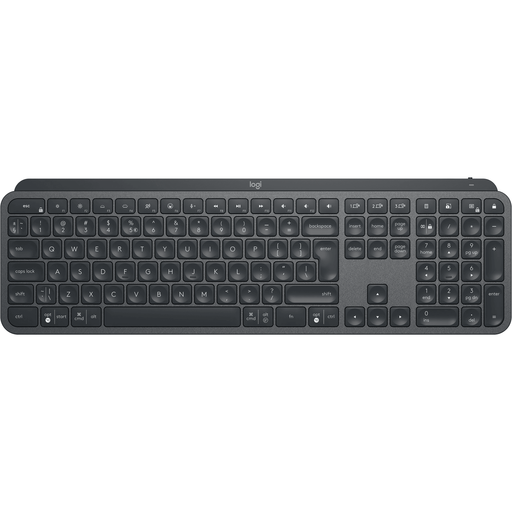
Logitech MX Keys for Business, US QWERTY
Suited to those who want a full-size layout and type on multiple computers.
View on Joybuy
 No image available
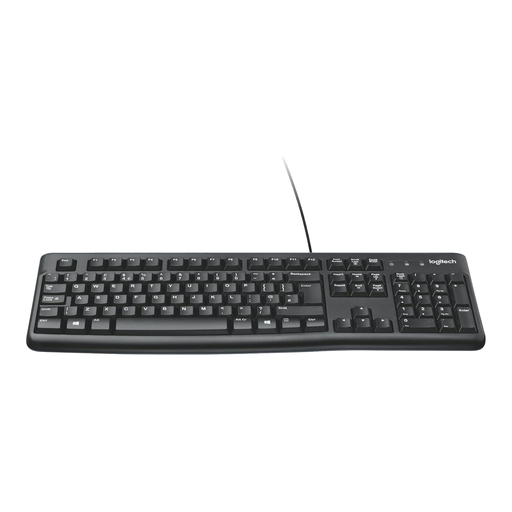
Logitech K120 wired keyboard, black
An option if you make lots of cursor and text corrections and want a full-size layout.
View on Joybuy
 No image available
Trust Vaiya wireless keyboard, full-size, numeric keypad, US QWERTY
Suited to those looking for a full-size layout who type on multiple devices.
View on Joybuy
 No image available
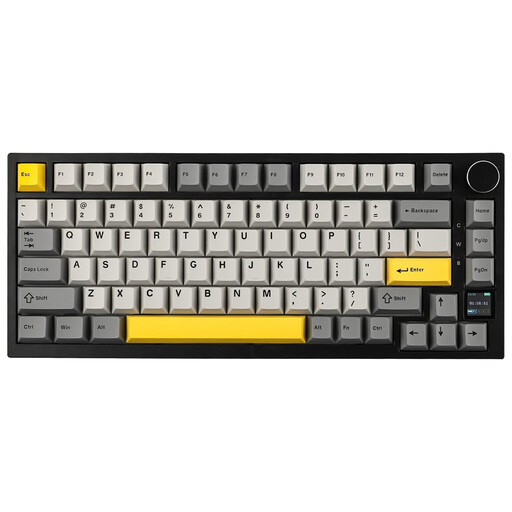
Ajazz AK820 Pro 75% mechanical keyboard, US QWERTY, tri-mode
A compact option if you want to save space and often move between text and reference material.
View on Joybuy
 No image available
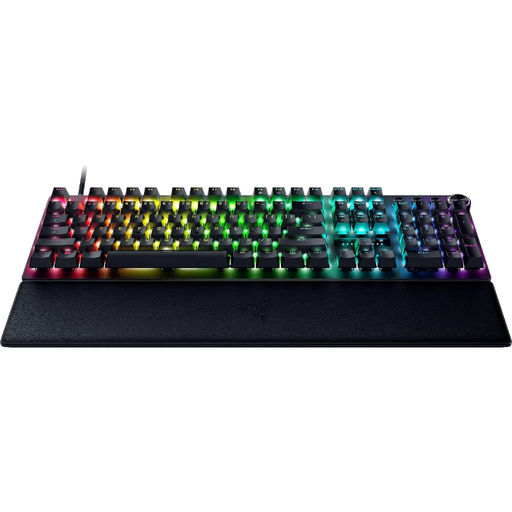
Razer Huntsman V3 Pro, US QWERTY
Suited to those who navigate frequently and want to tailor repeated editing commands to the way they work.
View on Joybuy
Frequently asked questions
Do I need a special keyboard to view my script and reference material side by side?
No, not for arranging the windows themselves. Microsoft Support explains how to snap windows side by side in Windows using a mouse, touch or keyboard. For a different operating system and your writing software, check which commands are available.
Can you assign repeated writing tasks to keys?
That depends on the keyboard and writing software. According to Keychron, the Keychron K3 Max supports remapping through Launcher, but the command must also work in your software. Keychron recommends a wired connection for Launcher to recognise the keyboard.
How do you maintain a wireless keyboard during long writing sessions?
Before buying, check how to charge and connect the exact version. CHERRY says you can type on the KW 9100 SLIM while it’s charging via the cable supplied; follow the instructions for your version on battery use and cleaning.
What rights do I have when buying a keyboard online in the Netherlands?
When you buy online from a business, you usually have a 14-day cooling-off period, according to the Dutch government. You’re also entitled to a product that meets legal requirements; a manufacturer’s guarantee doesn’t replace this right. If a product is faulty, contact the seller. Check the terms that apply to your purchase.
Are you legally required to use a separate keyboard when writing on a laptop?
Not every writer is. According to Arboportaal, for employees who work at a screen for more than 2 hours a day, the screen and keyboard must not be fixed together; when using a laptop, they must be able to use a separate screen or keyboard. Whether this rule for employees applies to you depends on your working situation.


