
Tester without a spare mains socket
You write unit tests and don’t want the keyboard to need a separate mains supply while you work. The main choice is between replaceable batteries and power from your computer.


If you have few mains sockets, first consider how the keyboard gets its power. Replaceable batteries mean you don’t need a charger while typing, while a USB model draws power from a computer port. Then choose between Bluetooth, a USB receiver or a cable, depending on your computer, and check that the physical layout and available keys suit your work. A rechargeable battery will eventually need charging.
You write unit tests and don’t want the keyboard to need a separate mains supply while you work. The main choice is between replaceable batteries and power from your computer.
You have a spare computer port and would rather avoid loose batteries or charging. Choosing a cable means using that port, so bear this in mind.
For example, you use two computers and want to compare the connection options. Consider Bluetooth support, whether a receiver is needed and the charging cable.
Choose this if: you don’t have a mains socket or spare USB port and your computer supports Bluetooth.
Bear in mind: you’ll need to replace the batteries, and should check the keyboard’s physical layout.
Choose this if: you have a suitable computer port available and don’t want separate keyboard batteries or a charger.
Bear in mind: the cable uses a computer port and limits where you can place the keyboard.
Choose this if: you want to switch between devices or between Bluetooth and a cable, and have somewhere to charge it.
Bear in mind: the battery needs charging, and a cable or receiver may use a suitable computer port.
| Consideration | What to look for when buying | Who is this most relevant to? |
|---|---|---|
| Power without an extra mains socket | Check whether the model uses replaceable batteries, draws power via USB or has an internal battery that needs charging. | If I don’t want to use an extra plug socket, I compare batteries with power from the computer. Around 36% of consumers prioritise avoiding an extra mains socket. |
| Keys for coding and navigation | Check the physical layout, arrow keys, navigation keys and any Fn combinations on the exact version. | When writing and editing tests, I want keys that suit the way I work. Around 29% of consumers value physical coding and navigation keys most. |
| Ports and switching between devices | Check whether your computer supports Bluetooth and count spare USB ports separately; a cable or receiver may need a port. | If I switch between devices, I want to know whether my computer supports the connection I’ve chosen and whether a port is available. Around 21% of consumers put connectivity and available ports first. |
| Battery and charging upkeep | Check the battery type, charging cable and whether you have a suitable time and port for charging a battery. | I want to minimise battery changes and charging breaks while I work. Around 14% of consumers give power-supply upkeep their highest priority. |
A wired keyboard or wireless USB receiver uses a computer port, even if the keyboard itself doesn’t need a separate plug in a mains socket.
Count mains sockets and spare computer ports separately, and check which connection the version you’ve chosen needs.
You may need an adapter if the connection doesn’t fit; a computer port in use won’t be available for another device.
A rechargeable keyboard needs charging when its battery runs low. CHERRY says the KW 9200 MINI charges via a USB cable.
Choose replaceable batteries if regular charging is inconvenient, or work out in advance where you can charge a keyboard with a rechargeable battery.
While charging, the cable may use a suitable USB port.
Compact keyboards may arrange navigation keys or special functions differently from full-size keyboards. Whether this works for you depends on the keys you use when writing and editing.
Check the physical layout, navigation keys and Fn combinations on the exact version before choosing.
The Pebble Keys 2 K380s and K120 show two different ways of powering a keyboard.
The KW 7100 MINI BT and KW 9200 MINI illustrate compact keyboards with different connection options.
The Nado II is a rechargeable Bluetooth model for anyone who wants to connect without a USB receiver.
The K3 Max SE is a compact mechanical keyboard with several connection options.
This selection includes compact and larger keyboards with wired or wireless connections, for different workspaces with few mains sockets.
 Image unavailable
A compact layout with several connection options may suit a workspace where you need to weigh up the available space and ports.
75% layout; US QWERTY; Bluetooth, 2.4 GHz and USB-C.
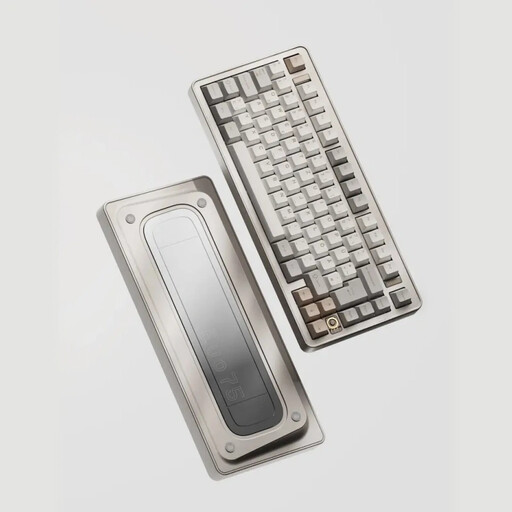 Image unavailable
The compact layout and multiple connection options are worth considering if you’re weighing up port usage against wireless use.
US layout; Bluetooth, 2.4 GHz and USB-C; hot-swappable keys; 8000 mAh battery.
 Image unavailable
The 98% layout may suit a workspace where you want a larger key layout alongside a choice of connection options.
US QWERTY; wired USB-C, Bluetooth and 2.4 GHz connection; 10000 mAh battery.
 Image unavailable
This compact wired model may suit you if you have a suitable computer port available and want a small key layout.
68 keys; US layout; magnetic switches; wired connection.
Requires a suitable spare computer port.
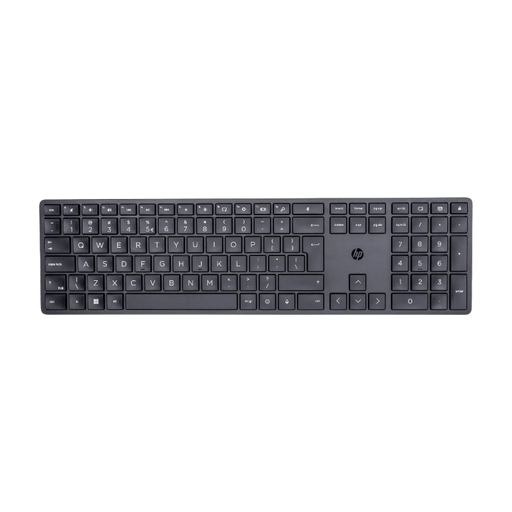 Image unavailable
The full-size layout and numeric keypad are useful if you need those keys when writing and editing tests.
Battery-powered; full-size layout with numeric keypad and programmable keys.
The USB receiver described requires a suitable spare computer port.
Not for the Bluetooth connection itself, provided your computer supports Bluetooth. A USB receiver does use a port; also check whether a rechargeable battery needs charging via a cable.
Not necessarily: a keyboard may draw power from a computer’s USB port or use replaceable batteries, for example. This has no bearing on how the computer itself is powered.
Compare the physical layout of the exact version with the input language set on your operating system. Trust lists an incorrectly configured input language as a possible cause of unexpected characters. For compact models, also check which functions are accessed via Fn.
Check that the specific version meets the applicable requirements and carries the correct CE marking. The Dutch Authority for Digital Infrastructure (RDI) explains that electrical and radio equipment placed on the European market must meet the applicable requirements. A general product listing doesn’t confirm whether a specific version carries that marking.
Take used batteries to a collection point, such as a shop that sells batteries; don’t put them in your general waste. The Dutch Government says that used batteries should not go in the bin.