
Title data cataloguer
If you enter sheet music titles, names and other details, it helps to choose a layout and navigation keys that work with your catalogue. OCLC Support describes tasks including copying title details and numbering.


If you enter a lot of numbers, choose a keyboard with an easily accessible numeric keypad. If text entry and space for your mouse matter more, a more compact model may suit your workspace better. A split keyboard changes the position of your hands, but your operating system or catalogue software controls how records are displayed side by side. Also check the physical QWERTY layout, connection, navigation keys and available space.
If you enter sheet music titles, names and other details, it helps to choose a layout and navigation keys that work with your catalogue. OCLC Support describes tasks including copying title details and numbering.
If you regularly enter numbers or sequences of digits, consider whether a fixed, integrated or separate numeric keypad best suits the task and the space available.
If you use sheet music, a screen, keyboard and mouse on a small desk, you’ll want enough room for your mouse without losing access to important entry or navigation keys.
Start with the tasks you do most often: navigating text and records, entering numbers, making the most of your desk space or adjusting the position of your hands.
| What to consider | What should you check? | Who is this most relevant to? |
|---|---|---|
| Text entry and record navigation | Check the physical key layout and whether the arrow, Tab and function keys are easy to reach when using your catalogue. | If I move between lots of fields, I want to use the keys supported by my catalogue. Around 33% of consumers prioritise text entry and record navigation. |
| Number entry | Compare a fixed numeric keypad with an integrated or separate option; if it’s integrated, check how NumLock works. | If I often enter numbers, I want to type them without unnecessarily interrupting my workflow. Around 20% of consumers make number entry their top priority when choosing. |
| Desk space and mouse room | Measure the available space and check the width of the exact model, including the room your mouse needs. | If I use source materials and windows alongside my keyboard, I want to position my mouse comfortably. Around 27% of consumers prioritise available desk space. |
| Hand position | Compare the layout of a compact keyboard with that of a split keyboard; also check that the connection is compatible with your computer. | If I type for long periods, I want to assess which keyboard layout suits my workspace. Around 20% of consumers give hand position top priority. |
A keyboard doesn’t control how records are displayed side by side. Microsoft Support describes arranging windows as a Windows feature; also check whether your catalogue software lets you work with two records at once and which keyboard shortcuts it supports.
Two separate keyboard halves change the physical setup, but they don’t add a display feature to your catalogue.
First check how to display records side by side in your catalogue software, then choose the keyboard style you prefer.
A model without a fixed numeric keypad can free up space, but an integrated or separate option works differently from a permanent keypad.
Work out how often you enter numbers, then compare fixed, integrated and separate numeric keypads.
A separate option may mean buying a separate numeric keypad and using an extra connection.
The Dell KB216 we reviewed is a Dutch QWERTY model; the Trust Ody II we reviewed has a US QWERTY layout.
Check the physical layout of the exact version you’re ordering and make sure it matches your computer’s keyboard settings.
Changing your keyboard alone won’t determine how your screen, mouse and posture work together.
Consider your whole workspace and vary your posture; don’t treat comfort claims as a guarantee against discomfort.
The KB216 is a full-size wired keyboard. Dell Netherlands lists a version with a Dutch QWERTY layout.
The UltraBoard 950 V2 and UltraBoard 960 V2 discussed here combine a compact design with different number-entry options.
The R-Go Split Break discussed here is a split keyboard for anyone who wants to adjust the position of its two halves.
The Ody II we reviewed is a full-size wireless keyboard with a numeric keypad.
The MX Keys S discussed here is a full-size wireless model with programmable keys and features for switching between devices.
These keyboards suit text and number entry, navigation while cataloguing and different preferences for desk space.
 No image available
Suitable if you want a numeric keypad and separate arrow keys for number entry and navigation.
The product description lists a wired plug-and-play connection, a numeric keypad and backlighting.
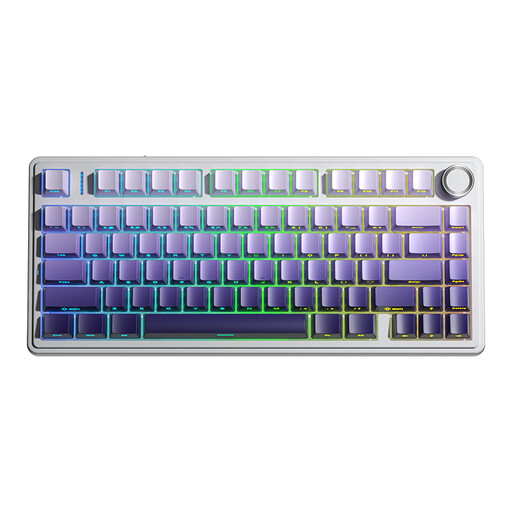 No image available
The compact layout may suit you if you want to save desk space but still need arrow keys.
The product name lists tri-mode connectivity: wired, Bluetooth and 2.4G. The physical layout is US QWERTY.
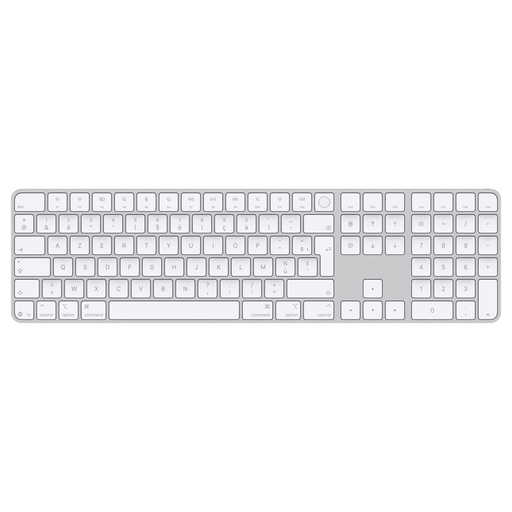 No image available
May suit number entry and document navigation if a keyboard for Mac works for your workspace.
The product information lists Bluetooth, a numeric keypad and navigation keys; it positions the model for Mac.
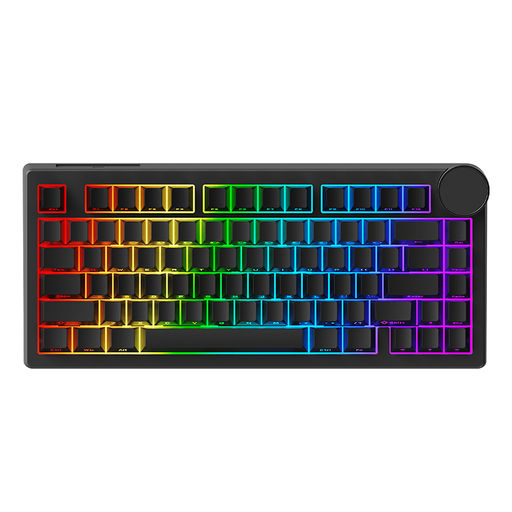 No image available
The compact layout with arrow and navigation keys may suit you if desk space and moving between fields are both important.
The product information lists a wired connection, a function row and a navigation cluster.
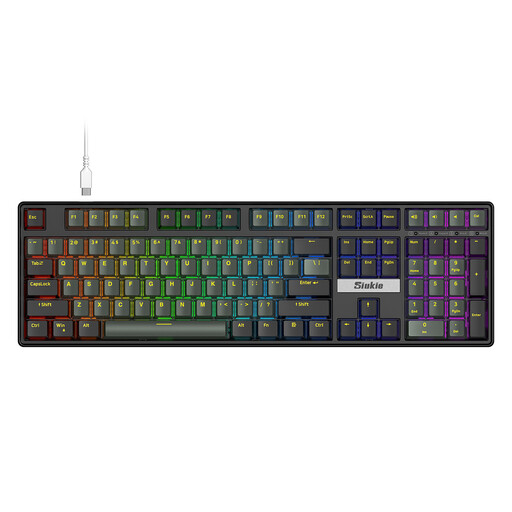 No image available
Suitable if you want a full-size layout with a numeric keypad for text and number entry.
The product information lists 108 keys, a numeric keypad, a wired connection and replaceable switches.
No, that isn’t a keyboard feature. Microsoft Support describes arranging windows as a Windows feature; check whether your catalogue software lets you work with two records at once and which keyboard shortcuts are available.
Check that the connection on the exact version is compatible with your computer and that its physical layout matches your keyboard settings. Dell Netherlands lists USB-A for the KB216 discussed here; BakkerElkhuizen lists USB-C with a USB-A adapter for the UltraBoard 950 V2.
According to the Dutch Working Conditions Portal, when an employee works at a screen for more than two hours a day, the screen and keyboard must not be attached to each other. If they use a laptop, they must therefore be able to use a separate screen or keyboard; this requirement applies in specific circumstances.
The Dutch Working Conditions Portal recommends changing your posture while working at a screen, looking away regularly and taking microbreaks. So consider more than just your keyboard: think about the position of your screen and mouse, and vary your tasks.