What should you consider when choosing?
Start with your device and screen reader. Then consider which keyboard layout, input method and workstation suit the way you create posts.
| Factor |
What to look for |
Who might find this more important? |
| Screen reader navigation |
Check which keys are available and whether you can use them for your familiar NVDA or VoiceOver commands. |
If I want to move through the editor, forms and browser without a mouse, I’ll choose keys that work with my familiar commands. Around 36% of consumers say screen reader navigation is their main purchasing concern. |
| Lots of typing |
Try out the key shape and layout, and consider your workstation setup too. |
If I often write and edit posts, I want keys and a workstation that suit the way I type. Around 29% of consumers give long-term typing comfort top priority. |
| Identifying keys visually |
Check the contrast and key legends, and make sure any ZoomText or Fusion shortcuts work with your software. |
If I use my remaining vision to find keys, I look for clear legends and good contrast. Around 21% of consumers prioritise visual identification. |
| Mobile braille input |
Check support for your specific device, operating system and screen reader. |
If I mainly manage the noticeboard on a phone or tablet, I want to know whether my mobile braille keyboard works with that combination. Around 14% of consumers give mobile braille input top priority. |
Keyboards at Joybuy
This selection includes wired and compact keyboards, including models with a numeric keypad. Check each model to make sure its layout and available keys suit your device and screen reader.
 Image unavailable
Wired full-size keyboard with numeric keypad, QWERTY
An option for a fixed workstation if you want physical navigation and number keys.
The product name lists a numeric keypad, QWERTY layout, full-size design and plug-and-play setup.
View at Joybuy
 Image unavailable
AULA WIN60HE 60% wired keyboard
A compact wired option if you’ve checked that its available keys work with your screen reader commands.
The product name lists a 60% layout, Hall Effect switches and adjustable actuation.
View at Joybuy
 Image unavailable
REDRAGON wired mechanical keyboard with 94 keys
A wired option if you’re looking for a keyboard with physical keys; check the layout for use with your screen reader.
The product name lists a metal design, phone holder and wrist rest.
View at Joybuy
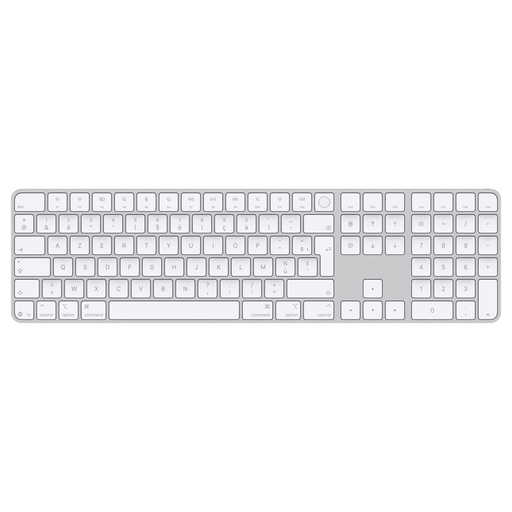 Image unavailable
Apple Magic Keyboard with Touch ID and numeric keypad
An option to consider if you want physical number keys; check the model and layout for your device and screen reader.
The product name lists Touch ID and a numeric keypad.
View at Joybuy
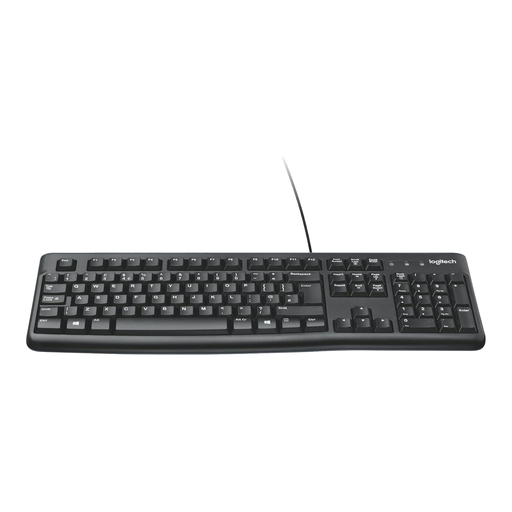 Image unavailable
Logitech K120 wired keyboard, black
A wired option for a fixed workstation where you want to use physical keys for navigation and input.
Logitech describes the K120 as a USB keyboard with a numeric keypad. Check the layout of the model you choose.
View at Joybuy
Frequently asked questions
Do I always need a numeric keypad for NVDA?
No. NVDA documents both desktop and laptop keyboard layouts for its commands. Decide which layout you use in advance and check that the physical keys on your chosen keyboard work with it.
Can a different keyboard make a noticeboard that’s difficult to use accessible?
Not if the website itself prevents keyboard access. Try forms and custom controls without a mouse, and check that input fields have an accessible name. The W3C Web Accessibility Initiative outlines these considerations.
What should I check if the characters don’t match the keys I press?
Compare the physical keyboard with the selected keyboard and input layout in Windows. Microsoft Support explains how to view installed layouts and add a layout.
What are my rights when I buy a keyboard online?
When you buy at a distance, you often have a 14-day cooling-off period; check the terms and exceptions that apply to your purchase. This is separate from your rights if a product is faulty: according to the Dutch Government, statutory guarantees in the Netherlands don’t have a fixed two-year term.
Does a digital community noticeboard have to comply with the rules for government websites?
That depends on the organisation that runs the noticeboard. According to DigiToegankelijk, the requirements described apply to websites and apps run by public authorities covered by the Government Digital Accessibility Decree. The fact that a noticeboard is intended for a community doesn’t, by itself, determine whether those rules apply.


