Start by checking your keyboard’s physical layout and your computer’s active input layout. When working with regex, you use characters such as backslashes, brackets and braces, and your computer’s layout determines which character each key types. MDN Web Docs describes these as special characters in regular expressions, while Microsoft Learn explains how a keyboard layout turns keystrokes into characters. Then choose a keyboard to suit your workspace: for example, a compact model to save space, an adjustable mechanical keyboard if you want to remap keys, or a split keyboard if hand placement is your priority.
Which keyboard is right for you?
If you’re new to regex and type lots of symbols
Check how the physical keys work with your computer’s active layout. MDN Web Docs describes characters such as backslashes, brackets and braces as special characters in regular expressions, while Microsoft Learn explains how the active layout determines which characters appear.
If you spend long periods typing at home
Consider how your keyboard, arms and mouse are positioned in relation to your workspace. Arboportaal describes repetitive hand movements and static strain when working at a screen; a keyboard alone won’t determine your overall posture.
If you have a small or shared workspace
A compact size, quiet keystrokes or the ability to connect to multiple devices may matter to you. Which feature comes first depends on the space you have and the devices you use to practise.
What should you look for?
First, check that you can easily type the regex characters you need on your computer. Then compare the desk space required, key feel and available connections with how you use your keyboard every day.
MDN Web Docs lists backslashes, brackets, braces and the vertical bar among the special characters used in regular expressions. Microsoft Learn explains how a keyboard layout turns keystrokes into characters. So the labels on the keys need to work with your active input layout.
| What to consider |
What to look for |
Who should pay particular attention? |
| Symbols and layout |
Check the exact physical layout and test characters such as backslash, [], {}, () and | using the input layout you use. |
When I practise regex, I want to type the symbols I usually use without having to check the layout every time. Around 36% of consumers put symbols and keyboard layout first. |
| Posture |
Check the keyboard height, space for your mouse and the position of your arms. Consider a split design as part of your whole workspace setup. |
During longer typing sessions, I want my keyboard and mouse to suit the way I set up my workspace. Around 29% of consumers say posture is their main consideration. |
| Quiet typing and space |
Compare a compact TKL size with a full-size keyboard and, if possible, try the key feel in your own surroundings. |
At a small or shared desk, I want to save space and keep typing noise in mind. Around 21% of consumers prioritise quiet typing and desk space. |
| Switching between devices |
Check which connections and operating systems are supported, and test how characters are entered on each device. |
When I practise on different devices, I want to check that the same keyboard works with them and that the layout is correct on each one. Around 14% of consumers prioritise switching between devices. |
Avoiding common buying mistakes
-
Focusing only on ‘QWERTY’
The physical keyboard layout and the active software layout may differ. This can be particularly noticeable when typing regex characters.
Check the full layout description and test the characters you use most with the settings on the computer you’ll practise on.
-
Assuming ‘ergonomic’ means you won’t get aches and pains
Strain when working at a screen isn’t down to the keyboard alone. Your mouse position, workspace setup and how often you take breaks all play a part.
Assess the keyboard as part of your whole workspace. Treat manufacturer statements about reducing strain as claims about the model in question, not as a guarantee for your situation.
-
Choosing a compact keyboard without considering which keys are missing
A TKL model doesn’t have a dedicated number pad. This may matter if you enter numbers frequently.
Before buying, think about whether you use a number pad and check the layout of the exact model.
If you regularly need a number pad, you may need to buy one separately.
Brands to consider
CHERRY
The wired STREAM KEYBOARD TKL is a compact option with the same main key block as the STREAM KEYBOARD, but without a dedicated number pad.
- CHERRY lists a low-profile design and quiet SX scissor mechanism for this model.
- Check that the physical layout works with your computer; there’s no number pad. The description of its noise level is a manufacturer claim, not an independent comparison.
Keychron
The K8 Pro ISO collection is worth considering if you’re looking for a mechanical TKL keyboard with key customisation options.
- Keychron lists Bluetooth, hot-swappable switches and key remapping through Keychron Launcher.
- ISO models are available in different national layouts. Check the exact version and whether you can access the symbols you need with your computer’s layout.
Logitech
The ERGO K860 has a curved, split keyboard layout for anyone who wants to take hand position into account.
- The split design and palm rest are features of this model.
- Logitech makes claims about posture and reducing strain, but this isn’t proof that the keyboard will prevent individual aches and pains. You may also need time to get used to a different design.
Trust
The compact Lyra is designed for use with multiple devices, while the larger Keyra has a split layout.
- For the Lyra, Trust lists a USB receiver, two Bluetooth connections and flat scissor-switch keys. For the Keyra, Trust lists a split layout.
- Check the exact model and layout for each device. Claims that the Keyra reduces strain are manufacturer statements and don’t automatically apply to the Lyra.
BakkerElkhuizen
The S-board 840 is a compact, wired option for anyone who doesn’t need a dedicated number pad.
- The manufacturer lists scissor keys and two USB ports for this model.
- Check which physical layout is available, such as US QWERTY or another version, and whether its symbols work with your computer’s layout.
Keyboards at Joybuy
These keyboards include compact wired, TKL and smaller models. Check each model’s physical layout and features to find one that suits the way you practise regex.
 No image available
GXTrust Thado wired TKL keyboard, QWERTY US
The QWERTY US description can help you identify the physical layout. Check that it matches your computer’s active input layout.
The product name describes a wired TKL keyboard. The product information lists membrane keys and a USB connection. There’s no dedicated number pad.
View at Joybuy
 No image available
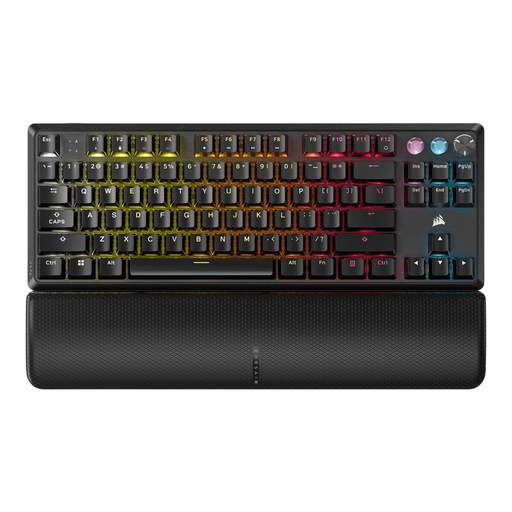
Corsair K70 PRO TKL Magnetic-Mechanical, US QWERTY, MGX v2
This model may suit you if you’re looking for a mechanical TKL keyboard with US QWERTY layout. Check that the physical layout matches your computer’s active layout.
The product name describes a wired TKL model. The product information lists key remapping through Corsair iCUE; check that this feature is compatible with your computer. There’s no number pad.
View at Joybuy
 No image available
Corsair K55 CORE TKL, US QWERTY
The product information describes quiet keystrokes and a US ANSI QWERTY layout. Check that this physical layout works with your computer’s input settings.
This is a wired TKL model with membrane keys. The product information also lists key remapping through iCUE and an adjustable keyboard height. There’s no number pad.
View at Joybuy
 No image available
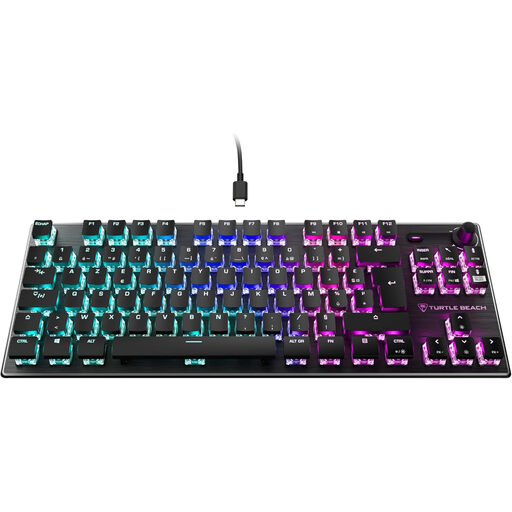
Turtle Beach Vulcan TKL, linear Titan switches, AZERTY
Consider this model if you’re looking for a compact wired keyboard with linear mechanical switches. The AZERTY layout makes it especially important to check your computer’s layout.
The product name describes a TKL model with RGB lighting. There’s no dedicated number pad.
View at Joybuy
 No image available
AULA WIN60HE 60% wired keyboard with Hall Effect switches
The 60% size may be useful if desk space is limited. Check that the physical layout and any key combinations suit the way you type.
The product name lists Hall Effect magnetic switches, adjustable actuation from 0,01 mm, an 8K polling rate and RGB lighting.
View at Joybuy
Frequently asked questions
Do you need a mechanical keyboard to learn regex?
No, start by checking that you can type the characters you need. A mechanical model with key remapping can be useful if you want to change key positions, but check that the software works on your computer. A keyboard with scissor keys is another option.
Why do different characters appear from the ones printed on my keys?
Your active keyboard layout translates keystrokes into characters. Check your operating system’s input layout as well as the keyboard’s physical layout. Microsoft Support explains how to manage language and input layouts in Windows.
How should I use a keyboard during longer practice sessions?
Set up your whole workspace and break up long periods of screen work. Arboportaal describes repetitive hand movements and static strain when working at a screen; a particular keyboard on its own won’t resolve aches and pains.
Who can help if a keyboard I bought online turns out to be faulty?
According to the Dutch government, the seller must provide a solution if a consumer product is faulty; a manufacturer’s guarantee is in addition to your statutory rights. Many distance purchases also come with a 14-day cooling-off period, subject to legal exceptions.
Do Dutch workplace health and safety guidelines say I should use a separate keyboard?
This doesn’t apply to every buyer. Arboportaal states that for employees who work at a screen for more than 2 hours a day, the screen and keyboard must not be attached to each other. For a laptop, a separate screen or keyboard must be available for use. The source also describes conditions under which the rules may be varied.


