
Cataloguers who enter lots of text and numbers
You enter titles, notes and identification numbers. A familiar key layout and a comfortable, responsive typing feel can make a difference.


Choose a full-size keyboard if you regularly enter identification numbers and have enough desk space; a compact model leaves more room for the book and mouse. Programmable keys can simplify repetitive tasks if your cataloguing software supports them, but they won’t manage or restore file links. If you have long typing sessions, a split keyboard may be worth trying, provided the layout feels comfortable to you.
You enter titles, notes and identification numbers. A familiar key layout and a comfortable, responsive typing feel can make a difference.
You switch between cataloguing software and local source files. Customisable keys can be useful if your software and work computer support the commands you need.
You want to leave enough room for books and a mouse, or find a different hand position for extended typing. Compact and split keyboards address different practical needs.
Start by considering how much number entry you do and how much space the book, mouse and keyboard take up together. Then look at the layout, typing noise and any programmable features.
| What to consider | What to look for | Who is this important for? |
|---|---|---|
| Entering text and numbers | Check the physical key layout, language characters and whether the model has a number pad. | If I enter both titles and identification numbers, I want a layout that suits the task; around 31% of consumers prioritise accurate text and number entry. |
| Shortcuts and files | Test commands in your cataloguing software and check whether you’re allowed to install configuration software. Manage file locations separately. | When I often switch between records and source files, I want to simplify repetitive commands; around 25% of consumers prioritise this workflow. |
| Hand and mouse position | Try out the key layout and typing feel, and assess the position of the mouse and keyboard together. | During long typing sessions, I want to find a hand and mouse position that feels comfortable for me; around 25% of consumers choose primarily based on working posture. |
| Space and typing noise | Allow room for the book, mouse and any cable; check that the sound is suitable for your workspace. | If I want to place the book beside my keyboard or work in a shared space, clear desk space or quiet typing matters; around 19% of consumers prioritise this. |
Keyboard macros can’t restore files that have been moved. According to Zotero Documentation, linked files may be missing if they’re moved outside Zotero or if a base path is set incorrectly.
Test links on the computers you use, record file locations and only programme commands that your software supports.
Finding and relinking files takes time.
The CHERRY STREAM KEYBOARD TKL doesn’t have a number pad. If identification numbers make up a large part of your work, entering them using the top row of keys may be less comfortable.
Try a representative catalogue record with both titles and numbers before choosing between a full-size and TKL keyboard.
Key layout, connection and features can vary between versions. For example, Keychron notes that not every K10 Pro version is hot-swappable; a specific Dutch R-Go Compact Break version is described as having an ANSI US International layout.
Check the physical layout, connection, switches and required software for each listing.
A keyboard’s shape or a reminder can’t replace assessing your whole workspace and varying your tasks.
Also consider the position of your mouse and book, and try a different key layout before choosing it. The Dutch Arboportaal recommends alternating screen-based work with other tasks or taking a break where applicable.
The MX Keys S is an option for quiet, familiar typing with customisable features; the ERGO K860 has a split key layout and a number pad.
The wired STREAM and STREAM KEYBOARD TKL are office options with scissor switches; the TKL version has a more compact design.
The Compact Break is designed for a narrow workspace and has a break indicator that works with software.
The K10 Pro is a mechanical keyboard for anyone looking for customisable keys and macros.
This selection from Joybuy includes compact keyboards, models with a number pad and versions with a specific layout or Mac compatibility.
 No image available
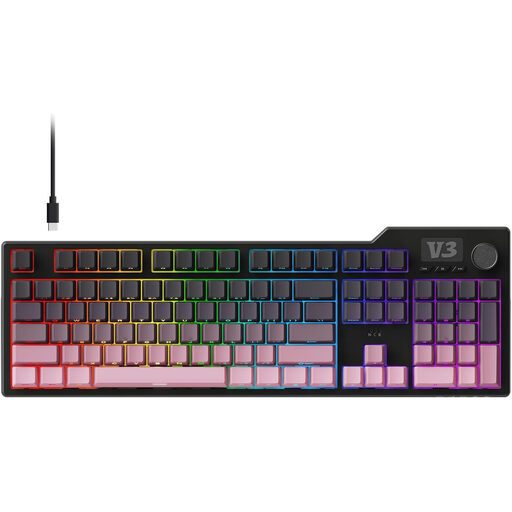
A compact option if you want to keep space free beside your book and mouse.
Wired model with 82 keys and hot-swappable switches. The AJAZZ driver is required for the configuration and customisation features mentioned.
 No image available
A full-size layout may suit you if you often enter identification numbers and have room for a number pad.
Check that the QWERTZ layout suits your typing needs. Software is required to remap keys.
 No image available
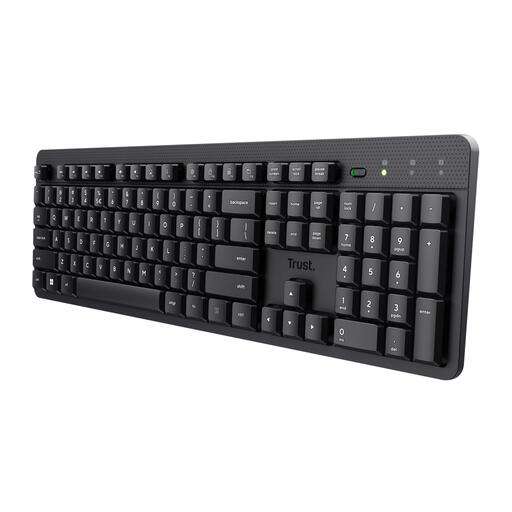
An option if you want a number pad and prefer to use your keyboard wirelessly.
The stated layout is US QWERTY. It connects wirelessly via a USB receiver and runs on batteries.
 No image available
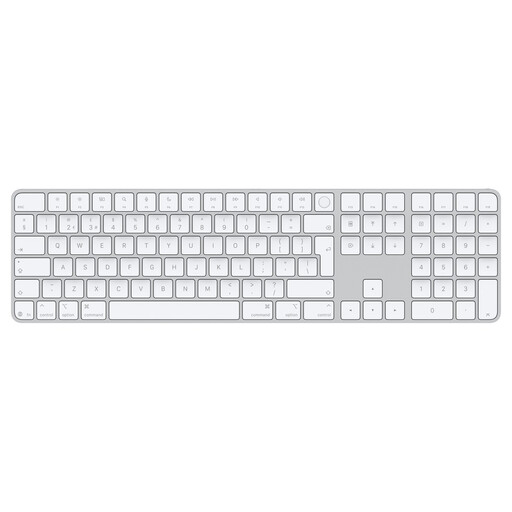
An option if you enter lots of numbers and want a Dutch layout for a compatible Mac.
According to the product name, it’s designed for Mac models with Apple silicon.
 No image available
A compact TKL model to consider if you want to keep your workspace clear and rarely use a number pad.
The stated layout is US QWERTY; this model doesn’t have a number pad. iCUE software is required to remap keys.
No. According to Zotero Documentation, linked files may be missing if they’ve been moved outside Zotero or if a base path is set incorrectly. Only programme actions supported by your cataloguing software, and manage file paths separately.
Keep your hands and work surface clean, keep food and drink away, and don’t force the book to lie flat; support it if necessary. The Library of Congress recommends a clean workspace and clean hands when handling books. Also make sure you have enough room for your keyboard and mouse.
Not as a rule: the Library of Congress generally recommends washing and drying your hands thoroughly. Special instructions may apply to certain materials, such as photographs or metal or ivory decorations; follow the collection holder’s guidance.
According to the Dutch Arboportaal, for employees who work with a screen for more than 2 hours a day, the screen and keyboard must not be fixed together. When using a laptop, a separate screen or keyboard must therefore be available. Screen-based work must also be alternated with other work or a break at set intervals; this isn’t a general requirement to buy a specific type of keyboard.
For a standard online consumer purchase, you generally have a statutory cooling-off period of up to 14 days after delivery, subject to legal exceptions; ACM ConsuWijzer explains this period. You’re also entitled to a statutory guarantee if a product doesn’t perform as you’d reasonably expect under normal use. The Netherlands Authority for Consumers and Markets states that there is no set, general two-year guarantee period in the Netherlands. Check the terms for the specific purchase.