
Tutorial writers who type for long periods
If you write most of your instructions and image captions at a computer, consider the physical keyboard layout, your posture and how you vary your tasks.


Choose a keyboard with a layout that feels comfortable to type on and puts the shortcuts for your word processor and photo-editing software within easy reach. A compact keyboard can leave more space for your mouse, programmable keys can simplify repetitive tasks, and a split design gives you more freedom to position your hands. Always check the layout, software compatibility and time needed to get used to it. You create and update cross-references in your word processor, not with a special keyboard feature.
If you write most of your instructions and image captions at a computer, consider the physical keyboard layout, your posture and how you vary your tasks.
When switching between a word processor and photo-editing software, it’s worth checking which key functions work in each programme and with the layout you’ve chosen.
If you want to leave room for a mouse and images, consider a more compact keyboard and check which navigation and number keys you’ll be giving up.
Start with the physical layout and the keys you use every day. Then consider extra features or a different design.
| What to consider | What should you check? | Who is this important for? |
|---|---|---|
| Typing comfort | Check the physical layout and, if possible, try the key action. Take breaks from prolonged computer work. | If I write long passages and captions, I want a layout and key action that feel comfortable. Around 29% of consumers prioritise typing comfort during long writing sessions. |
| Keyboard shortcuts | Check the commands in the programmes you use and whether any configuration software works on your computer. | When I switch frequently between writing and photo editing, I want to use or set up shortcuts quickly. Around 23% of consumers prioritise commands that are easy to access and customise. |
| Desk space | Check whether the keyboard has a number pad and separate arrow and navigation keys. | If I want to keep space beside the keyboard for my mouse, I weigh up the room I’ll save against the keys I’ll lose. Around 18% of consumers put desk space first. |
| Layout and connection | Compare the physical US, UK or other layout with your system settings, and check the software and system requirements. | When I type Dutch text and use keyboard shortcuts, I want the physical keys to match what I’m used to. Around 18% of consumers start by checking the right layout and connection. |
| Typing noise | Check how the specific model sounds; a product description calling it quiet isn’t an independent noise measurement. | If I work in a shared space, I want to know what the keys sound like before buying. Around 12% of consumers make quiet key action their top priority. |
A programmable key won’t replace the word processor feature you use to create cross-references or update fields.
Before buying a keyboard with extra keys, first test how you handle captions, references and field updates in your document.
The physical layout can vary, so punctuation and shortcuts may be in different places. Microsoft notes that the Word shortcuts described are based on a US keyboard layout.
Check whether the keyboard is the exact US, UK or other version you want, and compare the key positions with your system settings.
Arboportaal explains that computer work can involve repeated finger and hand movements, as well as static strain. A keyboard design alone doesn’t prove that it will have a health benefit for you.
Consider your entire workstation, vary your tasks and choose a layout that lets you position your hands comfortably.
Worth considering if you want to work wirelessly while writing and editing, and are interested in customisable keys.
The STREAM KEYBOARD TKL is a compact, wired option without a number pad.
The K3 Max is worth considering if you’re looking for a compact mechanical keyboard with customisable keys.
The Split Break v2 is an option if you want to be able to adjust your hand position during long writing sessions.
This selection at Joybuy includes keyboards for writing and photo-editing tasks, including compact and programmable models. Check the layout and features of each version to see which ones suit the way you work.
 No image available
The 98% layout may suit you if you want to save desk space while still having a compact keyboard layout.
Hot-swappable; volume knob and TFT display; wired, Bluetooth and 2.4G.
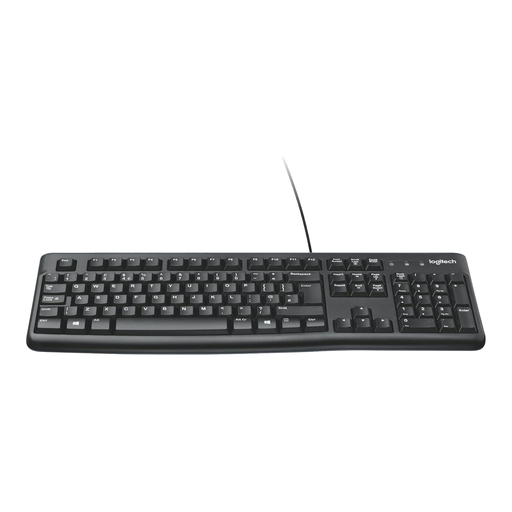 No image available
A wired option to consider if you don’t need a wireless connection at your desk.
Before buying, check that the physical layout matches your preference.
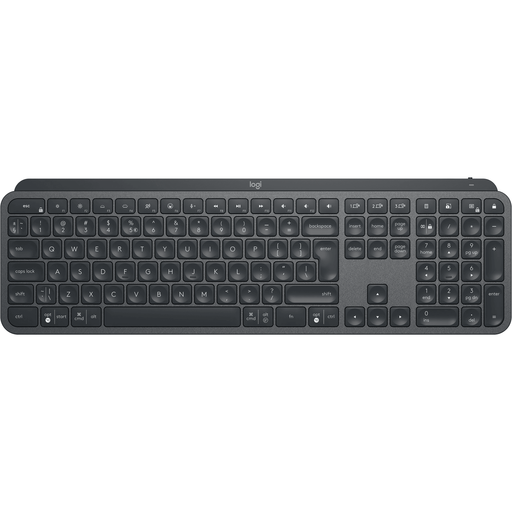 No image available
The programmable keys may be useful if you want to set up repeated commands for writing or photo editing.
This model has a physical QWERTY US layout; compare the position of punctuation and shortcuts with your preference.
 No image available
The 75% layout may suit you if you’re looking for a more compact keyboard and want to set up macros.
Wireless mechanical model with tri-mode connectivity; physical layout is US QWERTY.
 No image available
This compact, wired model may suit you if you want to use less desk space.
US QWERTY layout; hot-swappable linear switches. Check that the key positions suit your preference.
No. Word can insert a cross-reference to an image or chart. After making changes, check whether the relevant fields need updating. You do this in the document, not with a special keyboard feature.
First check which programme is active and which physical keyboard layout you’re using. Microsoft notes that the Word shortcuts described are based on a US layout and may differ on other layouts.
Position the two halves where they feel comfortable and give yourself time to get used to the layout. Arboportaal describes repeated hand movements and static postures as aspects of computer work; there’s no evidence that a keyboard alone will prevent discomfort.
When you buy as a consumer, the product must meet the standard you’re entitled to expect, and you can contact the seller if there’s a problem. According to the Dutch government, there’s no fixed statutory warranty period in the Netherlands; what you can reasonably expect from a product depends on various factors, including the product itself. A manufacturer’s warranty may be available in addition.