
Indexer working with recurring fields
Often enters the same types of information or performs the same actions when indexing reviews, and wants to weigh up programmable keys against the setup involved.


Choose a keyboard based on the tasks you repeat: programmable keys can be useful for recurring actions, while a comfortable layout and easy-to-reach navigation keys matter when comparing records. If you enter figures often, look for a numeric keypad; if you switch frequently between keyboard and mouse, consider a more compact model. A keyboard can’t identify on its own whether two reviews are the same record, so check your data and indexing software.
Often enters the same types of information or performs the same actions when indexing reviews, and wants to weigh up programmable keys against the setup involved.
Compares reviews and wants searching, navigation and editing to feel straightforward. Identifying duplicates remains a task for your data and the software you use.
Switches between typing and using a mouse during longer sessions and wants to consider keyboard size and desk setup.
First, work out which tasks you repeat most often and which keys you need to compare records carefully. Then choose a layout and connection that suit your computer and workspace.
| What to consider | What should you check? | Who is this important for? |
|---|---|---|
| Recurring data entry | Check which keys are programmable and test customised actions in your indexing software. | If I perform the same data-entry tasks repeatedly, I want to know whether I can set them up reliably. Around 36% of consumers prioritise recurring data entry. |
| Comparing records | Test the navigation and editing keys in your own software; decide separately which data you need to compare. | When I’m checking for possible duplicates, I want to compare the data before deleting anything. Around 29% of consumers prioritise careful record checking. |
| Extended typing and mouse use | Consider the distance between your keyboard and mouse, and the position of the keys you use most often. | During longer data-entry sessions, I want to position my keyboard and mouse to suit my workspace. Around 21% of consumers prioritise working comfort. |
| Layout and connection | Check the key layout, numeric keypad and connection required by your computer. | If I want to keep using my existing computer setup, I’ll consider the layout and connection. Around 14% of consumers start with those practical requirements. |
A macro can repeat data-entry tasks, but it can’t determine whether two reviews are the same record in terms of their content. Microsoft Support distinguishes between temporarily hiding duplicate values with a filter in Excel and permanently removing them, so check your selection and data first.
A programmed key can repeat actions, but it won’t automatically compare the content of reviews. Selecting the wrong data could lead to you changing or deleting information by mistake.
Test customised actions on sample records first, and check which criteria your software uses to identify duplicates.
On a compact model, the numeric keypad may be missing or keys may be in a different position. A wider model takes up more desk space.
Check the actual key positions and consider how often you enter figures and reach for the mouse.
An additional manufacturer’s warranty doesn’t replace your statutory rights in the Netherlands if a product is faulty.
The Dutch government states that there is no fixed statutory warranty period: what you can reasonably expect from a product depends in part on the product itself. If there’s a problem, contact the retailer.
The MX Keys S is worth considering if you want to set up recurring actions.
The UltraBoard models offer different trade-offs between compact size and numeric input.
The STREAM KEYBOARD is a straightforward office option with a low-profile design.
The K10 Pro is a mechanical option to explore if you want to remap keys or set up macros.
This Joybuy selection includes compact keyboards and a model with a numeric keypad. Check each model’s layout, connection and compatibility against the requirements of your indexing work.
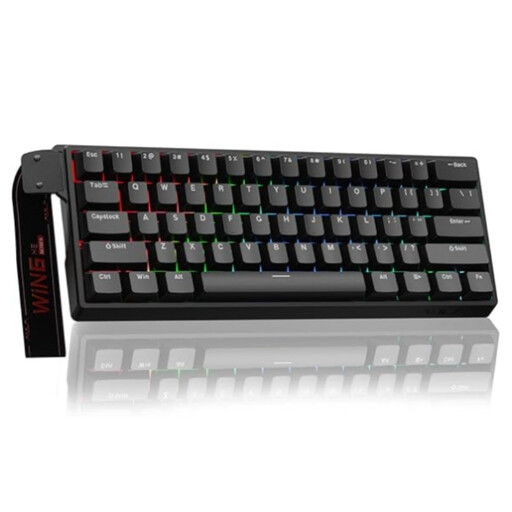 No image available
The compact 60% layout could suit you if you want to save desk space.
Wired; 60% layout; Hall effect magnetic switches.
 No image available
Consider this model if you’re looking for a wired setup and a 94-key layout.
Mechanical; 94 keys; metal casing; phone stand and wrist rest.
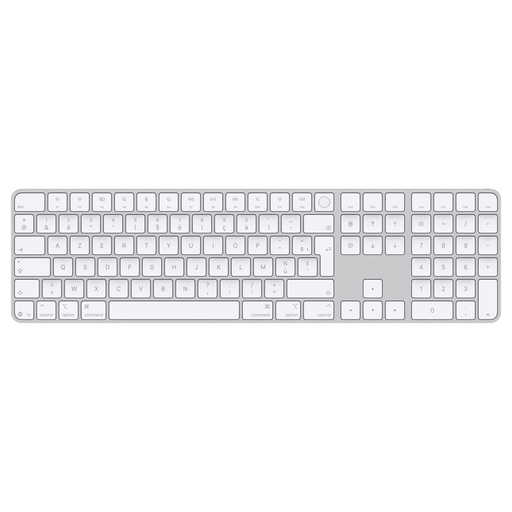 No image available
The numeric keypad could come in handy if you regularly enter figures while indexing.
Includes a numeric keypad, document navigation keys and full-size arrow keys. According to the product description, it’s designed for Mac.
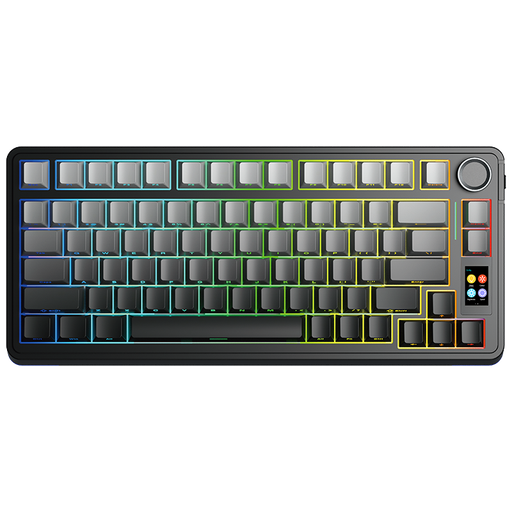 No image available
The 75% layout is a compact option to compare with a model that has a numeric keypad.
Wireless; 75% layout; mechanical; tri-mode connection; hot-swappable switches.
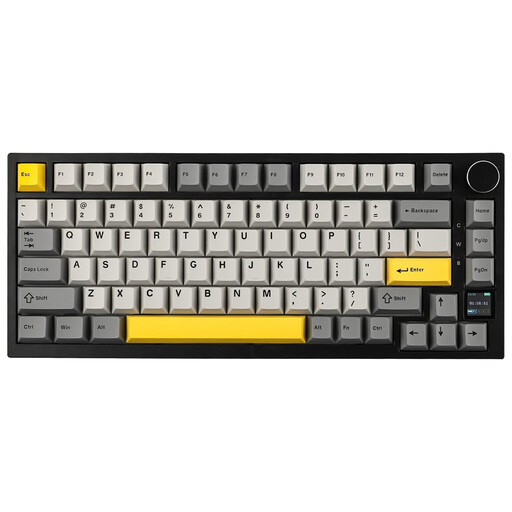 No image available
The compact layout may be worth considering if you’re looking for a smaller keyboard; check that the US layout suits your typing needs.
75% layout; 82 keys; tri-mode connection: wired, Bluetooth or 2.4G; described in the product name as compatible with Windows and Mac.
No. Programmable keys can’t identify on their own whether two reviews are the same record. They can repeat actions, but you’ll need to check for possible duplicates in your data and indexing software. If you use Excel, review the results of a filter before permanently deleting any records.
According to the Dutch Working Conditions Portal, when an employee works at a screen for more than 2 hours a day, the screen and keyboard must not be attached to each other. In that situation, a separate screen or keyboard must be usable with a laptop. This applies to the work situation described and isn’t a general requirement for everyone buying a keyboard for personal use.
In your own indexing software, test the key layout, navigation, numeric keypad if you need one, and any customised actions on sample records. Microsoft Support notes that some keyboard shortcuts can behave differently in different applications.
No. There’s no fixed statutory warranty period in the Netherlands. The Dutch government says you’re entitled to a product that works properly, and what you can reasonably expect depends in part on the product. If there’s a problem, contact the retailer; a manufacturer’s warranty is an additional benefit.
For many online purchases made by consumers from a business, the Dutch government says you have 14 days to change your mind. Check whether this rule applies to your purchase; don’t assume it covers every business purchase or purchases from a private seller.