
Entering detailed fossil records
You fill in several text fields for each specimen and repeat actions in a catalogue programme. Check which keyboard shortcuts the programme supports before assigning functions to customisable keys.


Choose a full-size keyboard with customisable keys if you fill in lots of text fields and want to assign recurring tasks to keys. Choose a separate numeric keypad if you’re happy with your current keyboard and mainly enter catalogue numbers. A split keyboard may suit you if hand and mouse positioning matters, but you might need a separate numeric keypad and may need time to get used to the layout. Before buying, check that the key layout, connection and any software are compatible with your computer and catalogue programme. You set up the fields themselves in the catalogue software.
You fill in several text fields for each specimen and repeat actions in a catalogue programme. Check which keyboard shortcuts the programme supports before assigning functions to customisable keys.
You enter a lot of identification numbers and may want to keep using your current keyboard. A separate numeric keypad could be an alternative to buying a whole new keyboard.
You type for long periods and want to be able to vary the position of your hands and mouse. It may be worth trying a different layout, but it’s no guarantee against discomfort.
Start with the tasks you do most often: moving between fields, entering numbers or positioning your hands. Then check that the layout, connection and software suit your workstation.
| What to consider | What to look for when buying | Who is this more relevant to? |
|---|---|---|
| Repeated tasks | Check which keyboard shortcuts the programme supports and whether the required customisation software works on your computer. | If I often move between catalogue fields and repeat the same tasks, I want to be able to customise keys for actions supported by my programme. Around 36% of consumers say repeated field-related tasks are their main need. |
| Catalogue numbers | Check whether you need a numeric keypad, where you want to position it and how the decimal separator works in your input field. | If I enter lots of identification numbers but want to keep my current keyboard, a separate numeric keypad is an option. Around 29% of consumers prioritise number entry. |
| Hand and mouse position | Try the setup with your own mouse and check whether you’ll still need a separate numeric keypad. | During long typing sessions, I want to assess whether a different keyboard and mouse position suits my workstation. Around 21% of consumers say typing posture is their main need. |
| Layout and connection | Check the exact key layout, operating system, connection and any programming software. | If I enter letters, numbers or specific characters, I want to know that the layout and connection work with my computer. Around 14% of consumers prioritise system compatibility. |
A separate numeric keypad won’t replace your main keyboard. If you enter names, locations and other details as well as catalogue numbers, you’ll need both.
Before buying, decide whether you want to keep or replace your existing keyboard.
Customisable functions may rely on the manufacturer’s software. The fact that a function is available doesn’t mean the command you want will work in your catalogue application.
Test your most important changes between fields and other commands in the programme you use, for example with a test record.
Setting up and testing key functions takes time before you can use them for your catalogue work.
A different position for the keyboard halves won’t automatically change how long you spend working at a screen or how often you repeat the same movements.
Try the setup with your own mouse, and break up screen work with other tasks and regular breaks.
Among the models reviewed, HP offers both a full-size keyboard with customisable keys and an additional numeric keypad.
The MX Keys S model reviewed is a full-size keyboard with software-customisable actions.
The Split Break model reviewed has two wired keyboard halves that can be positioned separately.
The Xalas 22221 model reviewed is a wired numeric keypad for additional use.
The Freestyle2 shows what a split keyboard with model-dependent layouts and connections can look like.
This selection includes full-size and compact keyboards for catalogue data entry. Check each model’s layout, connection and any key customisation to make sure it suits your work.
 No image available
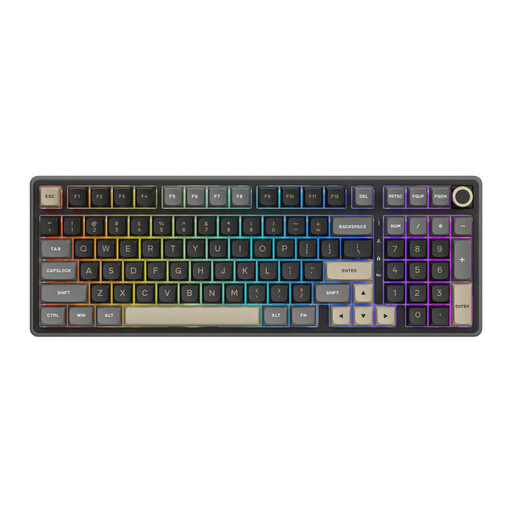
The product title specifies a numeric keypad. Check that the other keys and the layout suit the commands in your catalogue programme.
Wired mechanical keyboard with numeric keypad.
The product title specifies a Beige Switch version.
 No image available
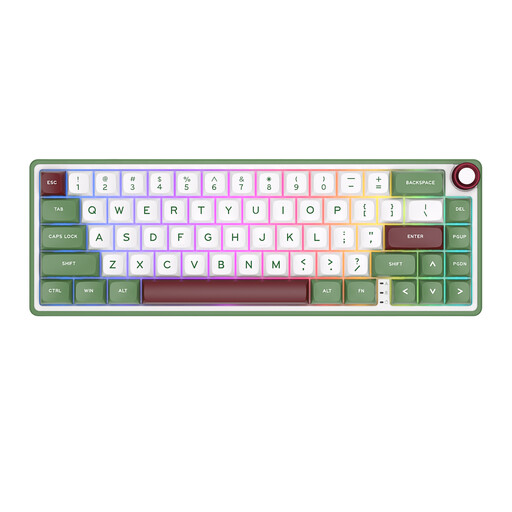
The product title mentions QMK/VIA. Check that the settings you want work with your computer and catalogue programme.
Wired keyboard with a 60% layout and 66 keys, according to the product title.
The product title specifies a Chartreuse Switch version.
 No image available
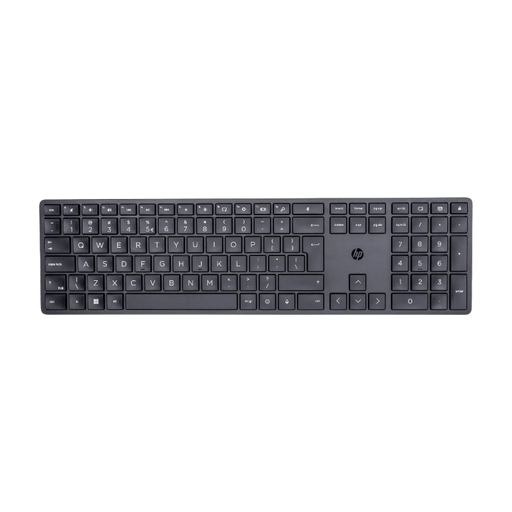
This full-size keyboard may suit you if you fill in lots of text fields and want customisable keys. Test the actions you want in your catalogue programme.
HP says the HP 450 has more than 20 customisable keys via HP Accessory Center.
The product information specifies a USB-A receiver for the wireless connection. Check that your computer is compatible.
 No image available
The compact layout may suit you if you’re looking for a smaller keyboard setup. Check that it has all the keys you need for your catalogue work.
The product title specifies a wired version with 82 keys.
The product title specifies magnetic axis.
 No image available
The product title specifies a QWERTY-US layout. Check that its characters match the ones you enter in the catalogue.
Wired 75% layout, according to the product title.
The specified key layout is QWERTY-US.
No. You set up the fields in the catalogue software. The Specify Collections Consortium explains how collections can customise their data fields in the software. Then test whether the shortcuts you want work by using a test record.
First, check the connection and test number entry in your catalogue programme. The Trust Xalas model reviewed uses USB; the HP 435 uses Bluetooth and HP Accessory Center for customisable keys. Use a test record to check that the decimal separator appears in the right field too.
For employees who spend more than two hours a day working at a screen, Arboportaal says that the screen and keyboard must not be attached to each other. With a laptop, it must therefore be possible to use a separate screen or keyboard. This is not a general requirement for every private fossil collector; Arboportaal also recommends varying your tasks and taking breaks.
For online purchases from a business, a 14-day cooling-off period applies in many cases, subject to legal exceptions, according to the Dutch government. If a product is faulty, you also have the legal right to a product that works as it should. There is no fixed statutory warranty period in the Netherlands, and the seller is your point of contact. Check who the seller is and whether any extra warranty offers additional cover.
Product safety rules apply to electrical and electronic equipment. Business.gov.nl refers to the Radio Equipment Directive for equipment with Bluetooth or a radio module. When the applicable requirements are met, this includes obligations relating to CE marking and an EU declaration of conformity. This does not confirm the conformity of any individual product.