
Dialogue writer using a reference window
You write and rearrange scenes while keeping notes or reference material visible. A familiar layout, easy-to-reach navigation keys and simple switching between windows can all be important.


When writing and editing stage dialogue, a familiar keyboard layout with easy-to-reach navigation and editing keys is a practical place to start. If you want a reference window beside your script, your computer’s window layout also matters. For long sessions, consider your workstation setup and hand position. In a shared space, keyboard noise may be more important, while a small desk can make available mouse space a bigger priority. Manufacturers’ claims about comfort or quietness are no guarantee of your own experience.
You write and rearrange scenes while keeping notes or reference material visible. A familiar layout, easy-to-reach navigation keys and simple switching between windows can all be important.
You do a lot of typing and want to choose a hand position and workstation setup that suit you. Treat comfort claims as product descriptions, not medical guarantees.
You type alongside other people and weigh keyboard noise against the space available on your desk. A description such as ‘quiet’ doesn’t tell you how much noise a keyboard will make in your space.
Best for: anyone who mainly types dialogue and wants a familiar layout with editing keys close at hand. Logitech lists programmable keys for the MX Keys S; check that the companion app works on your computer.
Trade-off: a model with a number pad takes up more desk space than a compact one.
Best for: anyone who wants to fit a script, reference material and a mouse on a small desk, and rarely uses a number pad. The S-board 840 is wired; Trust describes the Nado II as a compact keyboard for multiple devices.
Trade-off: check that the model has the arrow, function and editing keys you use. Switching between devices is different from placing two windows side by side on one computer.
Best for: anyone who wants to try a different hand position during long sessions and has room to adjust their setup. Logitech describes Wave Keys as curved and featuring a palm rest; R-Go Tools also offers keyboards with separate sections.
Trade-off: the shape may take some getting used to and there’s no evidence it prevents discomfort for everyone. Also consider your chair, screen position and breaks.
Best for: anyone writing alongside other people or during meetings who is particularly concerned about keyboard noise. Trust describes the Ody II as a wireless model with quiet keys.
Trade-off: ‘quiet’ is a manufacturer’s claim, not a like-for-like sound measurement. Check that the full layout and receiver will work with your setup.
| Priority | What to look for when buying | Who may value this most |
|---|---|---|
| Familiar typing and editing | Compare the physical layout with your current keyboard and check the position of punctuation marks, arrow keys and editing keys. | If you often rewrite scenes, you’ll want to find symbols and navigation keys without searching. Around 40% of consumers prioritise familiar typing and editing. |
| Hand position during long sessions | Consider how your hands, mouse and screen are positioned together; if possible, try a curved or split design. | For long writing sessions, you’ll want a setup that suits your hand position, without treating comfort claims as a guarantee. Around 30% of consumers prioritise hand position during long sessions. |
| Keyboard noise in a shared space | If possible, try the key action in a similar space and check the exact model. | If other people work in the same room, you’ll want to know how the keys sound rather than relying on the word ‘quiet’. Around 20% of consumers prioritise low keyboard noise. |
| Space for reference material and devices | Measure the desk space available and decide whether you switch between devices or between windows on one computer. | On a small desk, you’ll want to leave room for your mouse and reference material. If you use multiple devices, you may also want to be able to switch between them. Around 10% of consumers prioritise desk or device space. |
Switching between, for example, a laptop and a tablet is different from putting your script and reference material side by side on one Windows computer.
First decide whether you switch between devices or between windows. Don’t choose a keyboard just for a feature you don’t need.
The physical keys and the selected input layout together determine which characters appear. A different combination can mean punctuation marks aren’t where you expect them to be.
Check the full layout name and compare the characters shown in images of the exact model with those on your current keyboard.
Descriptions of comfort and quietness are manufacturer claims that apply to specific models; your workstation setup and personal experience still matter.
If possible, try the key action for yourself and also consider your screen, mouse and opportunities to take breaks.
Offers conventional keyboards as well as a curved model with a palm rest, catering for different layout and posture preferences.
The S-board 840 is a compact, wired keyboard without a dedicated number pad.
The Nado II is a compact model for multiple devices; the Ody II has a full-size layout.
The range includes compact and split keyboards for anyone considering desk space and setup.
This Joybuy selection includes keyboards for writing in a shared space, compact desks and anyone looking for a full-size or specific key layout. Before buying, check that the physical layout and keys suit the way you write.
 No image available
Could suit writing alongside others if you want a full-size layout; the product description mentions quiet, low-profile scissor keys.
US QWERTY layout with a number pad. The manufacturer’s description of quietness isn’t an independent sound measurement.
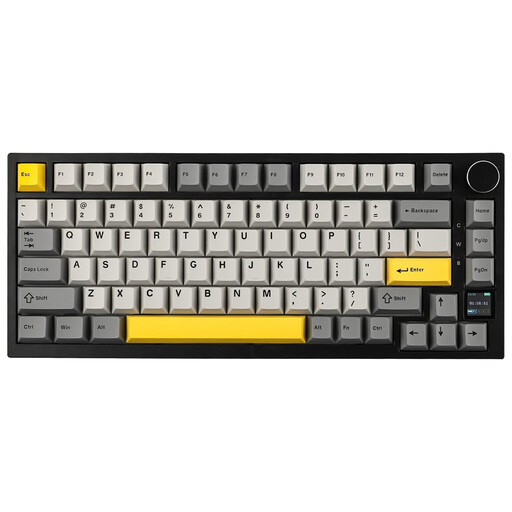 No image available
Could suit you if you’re looking for a more compact layout while keeping the arrow and function keys.
US QWERTY; 82 keys. Connectivity: wired, Bluetooth or 2.4 GHz.
 No image available
Could suit a smaller desk if you’re looking for a compact keyboard layout.
Wired, US QWERTY and 83 keys; the product name mentions hot-swappable linear switches and a volume knob.
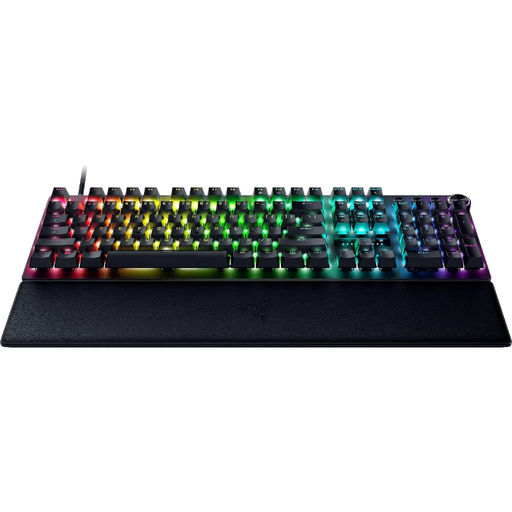 No image available
Could suit you if you’re looking for a full-size layout and have the desk space it requires.
US QWERTY and 104 keys. The product description mentions analogue optical switches and a wrist rest.
 No image available
Could suit a small desk if you don’t need a dedicated number pad.
Wired, US QWERTY and 61 keys. The product name describes the key action as mechanical-feeling.
No, you don’t necessarily need a special keyboard for that. In Windows, you can snap windows side by side using the Windows key and the left or right arrow key. Choose a keyboard mainly for the layout and keys you find comfortable for writing and editing.
Check that the selected input layout matches the physical keys. Windows lets you set and switch between multiple keyboard layouts, so before buying, also compare the exact model—for example, US QWERTY—with the layout you’re used to.
There isn’t one universally required keyboard model. Arboportaal states that for employees who work with display screens for more than two hours a day, the screen and keyboard must not be attached to each other. This workplace requirement doesn’t automatically apply to every home writer.
According to ACM, ordinary online consumer purchases generally come with a statutory cooling-off period of up to 14 days after delivery, subject to legal exceptions. Also check the returns terms that apply to your purchase, including any return costs.
If a product is faulty, you have statutory rights against the seller according to ACM. The appropriate solution depends on the circumstances; any manufacturer’s warranty does not replace your statutory rights.