What should you look for when choosing?
Arboportaal highlights repetitive movements and static strain when working with a screen. So assess your keyboard alongside your desk height, mouse position and the way you alternate between sitting and standing.
| What to consider |
What to look for |
Who might find this more relevant? |
| Hand and arm position |
Compare a straight model with a split one; check that you can position the halves to suit you and adjust the desk properly for both working positions. |
If I type for long periods, I want to be able to adjust my hand position and set up my workstation again for sitting and standing. This is a priority for around 33% of consumers in this usage group. |
| Space for the mouse |
Check the width of the keyboard and whether you need the arrow keys, function keys and any number keys included in its layout. |
If I often switch between my keyboard and mouse while designing, I want to keep the mouse close without losing keys I use frequently. Around 25% of consumers prioritise mouse space. |
| Shortcuts and layout |
Check the physical layout, how easy your usual keys are to reach, and whether any customisation software is compatible with your device. |
When I carry out repetitive tasks, I want to reach or customise my usual shortcuts easily. Around 25% of this group of consumers focus mainly on this workflow. |
| Typing sound and feel |
Compare the specified mechanism and, for mechanical models, the specific switch variant; don’t judge the sound by the word ‘mechanical’ alone. |
If I work in a shared space, I want to consider the sound and typing feel that suit my preferences. Around 17% of consumers prioritise quiet typing. |
Joybuy products
This selection focuses on compact keyboards with a 60%, 65% or 75% layout, for anyone who wants to leave room for a mouse beside the keyboard. The versions listed have a US layout; check that the key legends suit your needs.
 No image available
AULA F75 MAX 75% wireless mechanical keyboard, US QWERTY
The compact layout could suit you if you want to leave room for your mouse beside the keyboard; RTINGS describes this as a potential benefit of smaller keyboards.
US QWERTY layout; wired, Bluetooth or 2.4 GHz; Reaper switches; Gradient Grey keycaps with side-printed legends.
View at Joybuy
 No image available
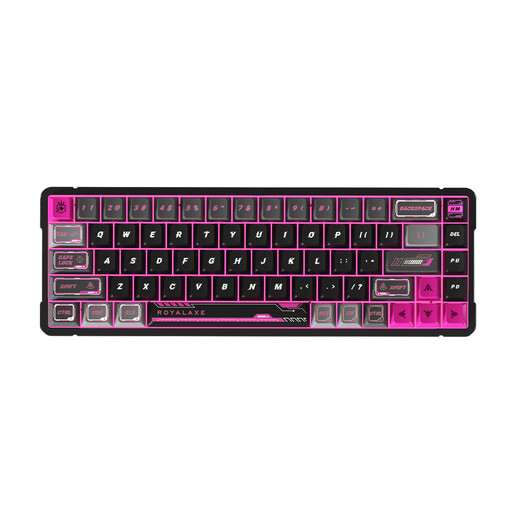
Royalaxe X68 Full Aluminum 65%, wired, US layout
The 65% layout is a compact option to compare if you want to keep space for your mouse while designing; check that it includes the keys you need.
68 keys; wired; Gateron HE Magnetic Switch; Hall Effect Rapid Trigger.
View at Joybuy
 No image available
Ajazz AK820 Pro 75% tri-mode keyboard, US QWERTY
The 75% layout can leave room for a mouse beside the keyboard; also check that the compact key layout suits the shortcuts you use most often.
Mechanical; US QWERTY; wired, Bluetooth or 2.4 GHz; TFT screen; hot-swappable; Purple Flying Fish switches.
View at Joybuy
 No image available
Razer Huntsman Mini, Purple Switch, US QWERTY
The 60% layout is a compact option if mouse space matters to you. Before buying, check that you can reach the keys you use for design work on this layout.
US QWERTY layout; Purple Switch.
View at Joybuy
 No image available
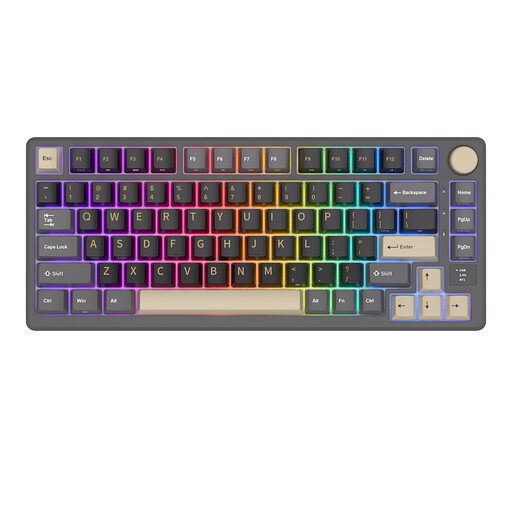
RK ROYAL KLUDGE M75 Phantom 75%, US QWERTY
The compact layout could suit you if you want to leave room for your mouse beside the keyboard; compare the key layout with the shortcuts you use regularly.
Mechanical; 81 keys; US QWERTY; connects via 2.4 GHz, USB-C or Bluetooth; OLED Smart Display; Cream switches.
View at Joybuy
Frequently asked questions
Do you have to work standing up all the time at a sit-stand desk?
No, you can alternate between sitting and standing. Arboportaal recommends varying your working posture and cites sit-stand desks as one way to do so; adjust your workstation to suit each position.
Are you legally required to use a separate keyboard with your laptop?
The workplace regulations described by Arboportaal apply under certain conditions to employees who work with a screen for more than 2 hours a day: the screen and keyboard must not be attached to each other. When using a laptop, it must be possible to use a separate screen or keyboard; this isn’t a general purchase requirement for every private user.
What should you check when it comes to connectivity?
Before buying, check whether your device supports Bluetooth or has space for the required receiver. If you choose a rechargeable model, also check how it charges and make sure a cable won’t be pulled taut when you adjust your desk.
What rights do you have when buying online in the Netherlands?
For online consumer purchases from a business, you generally have 14 days to change your mind; the Dutch government lists some exceptions. This is separate from your rights if a product is faulty, such as repair or replacement. Before placing an order, check who the seller is and which returns policy applies.


