
Frequent coin data entry
Regularly enters dates, values and quantities, and weighs up whether a numeric keypad is worth the extra keyboard width.


If you often enter dates, values and quantities, start with a keyboard that has a numeric keypad. If you spend most of your time repeating tasks, consider models with programmable keys too. A compact model takes up less space, but may not have a numeric keypad. Check how your catalogue software handles quantities and duplicate entries: a keyboard enters data, but it cannot decide for itself what counts as a duplicate.
Regularly enters dates, values and quantities, and weighs up whether a numeric keypad is worth the extra keyboard width.
Wants to reduce repetitive tasks while still distinguishing extra copies from duplicate catalogue entries.
Spends extended periods entering data and considers the space available for the keyboard and mouse, as well as their preferred hand position.
First, find out how your catalogue software records quantities and duplicates. Then choose a keyboard layout and features to suit your data-entry tasks and available space.
| What to consider | What to look for when buying | Who this matters to |
|---|---|---|
| Entering numbers | Check whether the model has a numeric keypad and whether its layout fits your desk. | If I enter lots of dates, values and quantities, I want a separate keypad for entering numbers. Around 31% of consumers prioritise numeric data entry. |
| Duplicate entries | Check whether the software uses quantities, separate records or a duplicate status; test keyboard shortcuts on a trial record first. | When I need to distinguish extra copies from duplicate catalogue entries, I want to know exactly what my software records. Around 31% of consumers prioritise control over duplicates. |
| Longer sessions | Consider your hand position and how easily you can reach the mouse; check whether a particular keyboard shape suits your workspace. | During long data-entry sessions, I want to position my keyboard and mouse so that my working posture feels comfortable. Around 23% of consumers prioritise working posture. |
| Desk space | Measure the space available and consider whether you enter a lot of numbers without an integrated numeric keypad. | If I need space for my mouse and collection materials, a narrower keyboard may be suitable, although I might need a different approach to entering numbers. Around 15% of consumers prioritise desk space. |
A programmable key can repeat an action, but it cannot decide whether two physical coins should be recorded as one catalogue entry with a quantity or as two separate records.
First, establish how your software records coins, then test any automation on a trial record.
Correcting inaccurate catalogue entries takes extra time.
The CHERRY STREAM KEYBOARD TKL omits the numeric keypad to save space. This may be less convenient if you often enter dates and quantities.
Weigh the space saved against how much numeric data you enter, and check the layout of the model you choose.
According to the Dutch government (Rijksoverheid), when you buy as a consumer, you are entitled to a product that works properly; a manufacturer’s warranty does not replace this right.
Keep your proof of purchase and contact the seller if the product is faulty.
The STREAM KEYBOARD range includes a wired model and a TKL version without a numeric keypad.
The MX Keys S is a wireless keyboard with programmable features for repetitive tasks.
According to Kensington, the Pro Fit Ergo KB620-RC combines a wave design, numeric keypad and programmable keys.
These Joybuy products are suited to numeric data entry, different keyboard sizes and longer data-entry sessions. For programmable features, always check that the action you want works with your catalogue software.
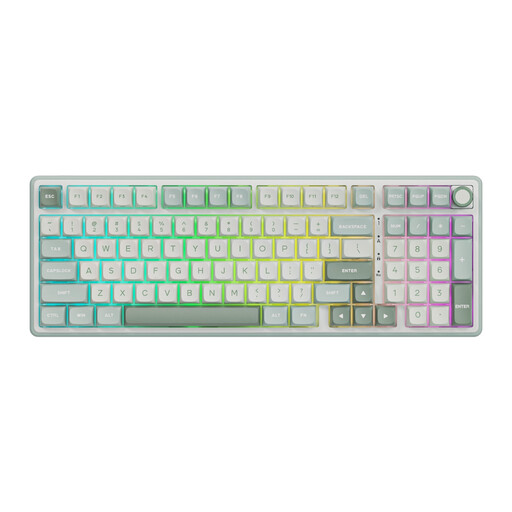 No image available
The product name specifies a numeric keypad, which may suit you if you regularly enter coin data in numbers.
Wired mechanical model with numeric keypad.
Manage duplicate coin records in your catalogue software, not with the keyboard.
 No image available
The product name mentions a wrist rest; consider whether it suits your workspace and typing position.
94 keys, metal case, phone stand and wrist rest.
 No image available
The compact 75% model may suit you if you want to save desk space; check whether its layout works for the numbers you enter.
Wireless, with US QWERTY layout.
Before setting up a keyboard shortcut or automation, check that the repeated action you want works in your catalogue software.
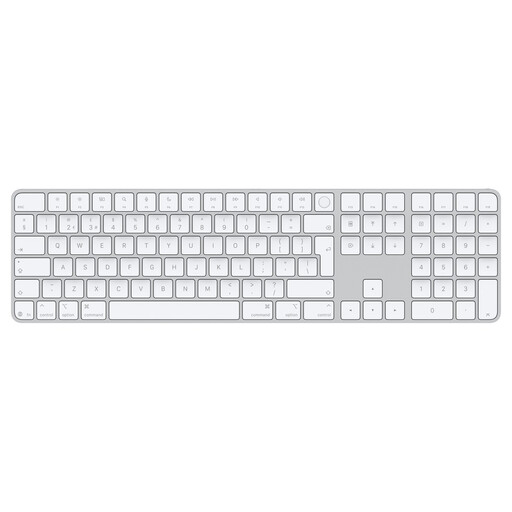 No image available
The numeric keypad is well suited to entering dates, values and quantities.
Dutch version with white keys and Touch ID; according to the product name, designed for Mac models with Apple Silicon.
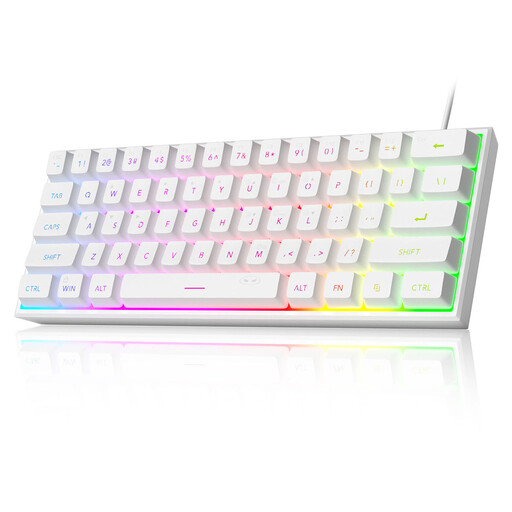 No image available
The compact design may leave more room for your mouse, but it has no integrated numeric keypad. Bear this in mind if you enter lots of numbers.
Wired, with 61 keys and a US QWERTY layout.
The keyboard features described do not confirm automatic duplicate detection. Check how your catalogue software handles quantities, separate entries and any duplicate status. Coin Mate describes features including quantities and copying entries; OpenNumismat mentions a duplicate status. These are software features, not keyboard features.
First, check which actions your catalogue software supports, then try a configured key or macro on a trial record. Logitech describes Smart Actions for the MX Keys S; Kensington lists programmable keys and notes that some limitations may depend on the operating system. Check how they work in the software you use.
A numeric keypad gives you a separate set of number keys, so it may suit you if you regularly enter dates, values and quantities. A compact model without an integrated keypad takes up less space, but you may need a different way to enter numbers. Check the layout of the specific model too.
When you buy as a consumer, you are entitled to a product that works properly; according to the Dutch government (Rijksoverheid), there is no fixed statutory warranty period for this. A manufacturer’s warranty is an additional benefit, and the seller is your point of contact if there is a problem. For eligible online distance sales, you generally have a 14-day cooling-off period, subject to legal exceptions.
For employees who work with a display screen for more than 2 hours a day, Arboportaal describes requirements stating that the screen and keyboard must not be attached to each other. When using a laptop, it must be possible to use a separate screen or keyboard. This is not a general purchasing requirement for every private coin collector.