
Developer who mainly writes code
You switch between your editor, terminal and version control, and want easy access to programming characters and commonly used shortcuts.


Start by choosing a physical layout that gives you easy access to the programming characters and shortcuts you use in your editor and Git workflow. Then prioritise a numeric keypad if you enter scores frequently, programmable keys if you repeat actions, or adjustable hand positioning if you type for long periods. Git is separate version control software; a keyboard does not manage revisions.
You switch between your editor, terminal and version control, and want easy access to programming characters and commonly used shortcuts.
You enter points and results repeatedly, and weigh up whether an integrated numeric keypad is worth the extra desk space.
You prioritise hand positioning and your workstation setup, and compare a standard keyboard with separately positioned halves.
Start with the physical layout and the characters you use for coding; Toetsenbord.org points out that the layout is a logical place to begin. When building and testing a scoring app, repeated actions, score entry and hand positioning can also influence your choice.
| What to consider | What should you check? | Who should pay particular attention? |
|---|---|---|
| Layout for coding | Compare the exact ANSI or ISO version and your keyboard language with the characters, arrow keys and function keys you use in your editor. | If I switch between my editor and terminal, I want quick access to programming characters and shortcuts. Around 33% of consumers make a coding layout their top priority. |
| Repeated actions | Check which configuration software and operating system are required for the key or action you want to set up. | When I repeat the same editor or terminal actions often, I only want to set them up if the software works with my system. Around 25% of consumers make programmable shortcuts their top priority. |
| Score entry | Work out how often you enter numbers and check whether your chosen version has an integrated numeric keypad. | When testing scores repeatedly, I want to enter points quickly; a numeric keypad may then matter more than a narrower keyboard. Around 25% of consumers prioritise score entry. |
| Hand positioning | Assess the space available for the keyboard halves and your mouse, and consider your workstation setup as a whole. | During long typing sessions, I want to be able to adjust my hand position without assuming that a split keyboard will prevent discomfort. Around 17% of consumers make adjustable hand positioning their top priority. |
ANSI and ISO layouts differ physically, and your selected keyboard language also affects what you type. This means characters may be in different places from where you expect.
Check both the physical version and the language setting against the symbols and shortcuts you use.
A 75% layout, such as the Keychron V1 Max, differs from the full-size V6 Max; a smaller keyboard does not have the same integrated numeric keypad.
Decide in advance how often you enter points and whether you want dedicated number keys for this. If you find you need them often, you may need a separate numeric keypad.
A key can start an action, but Git manages revisions. An untested automation could also run a different command from the one you intended.
Only set up commands you understand, and check them in your own working environment first.
Where you position the keyboard halves is just one part of your workstation; adjustment and taking breaks from screen work also remain important.
Assess the positioning at your own desk, and vary your work and posture.
These brands and product ranges may help you compare layouts and features; their inclusion says nothing about availability or suitability for every user.
Keychron describes the V6 Max as a full-size ANSI keyboard with QMK and key remapping. The V1 Max has a more compact 75% layout, with ISO versions available.
The MX Keys S is a low-profile wireless keyboard for anyone looking to combine device switching with software-configured actions.
CHERRY describes the KC 6000 SLIM as a low-profile, wired, full-size keyboard.
The Freestyle2 is a tenkeyless keyboard with separately positionable halves.
This Joybuy selection includes compact keyboards for coding and programmable keys, as well as a full-size model with a numeric keypad for entering scores.
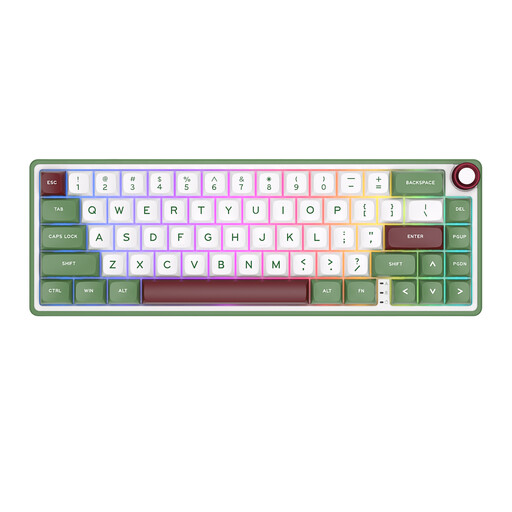 No image available
The compact layout may suit you if you want to save desk space and set up keys for repeated actions.
60% layout with 66 keys; wired; QMK/VIA; hot-swappable keys.
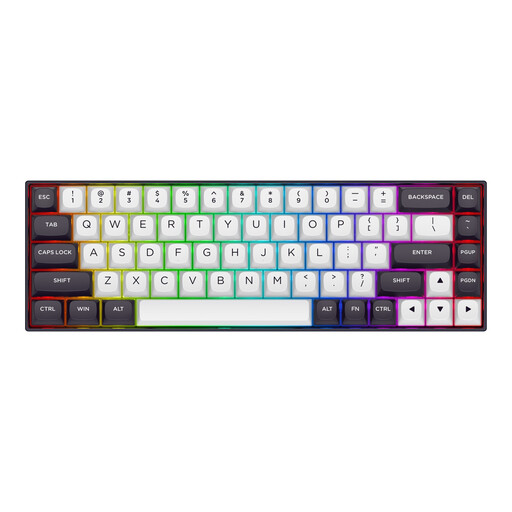 No image available
The compact US layout is worth comparing if you check the programming characters and key positions you use beforehand.
68 keys; compact layout; US layout.
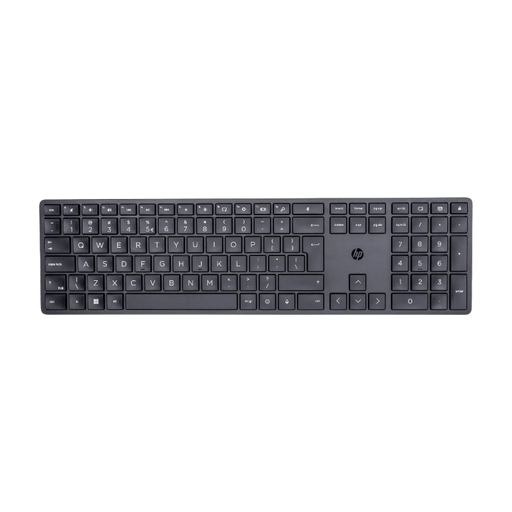 No image available
The full-size layout may suit score testing if you want a numeric keypad and programmable shortcuts.
Full-size with numeric keypad; wireless; more than 20 programmable keys via HP Accessory Center; adjustable feet up to 6 degrees.
 No image available
The 75% layout may suit you if you want a more compact keyboard and the US QWERTY layout matches the characters you use.
75% layout; US QWERTY; wireless and wired modes; macros with onboard memory.
 No image available
The compact layout is an option if you don't need a full-size keyboard; check that the available keys suit the commands you use in your editor.
Wired; 75% layout with 82 keys.
No, Git is separate version control software. Choose a layout and keys that suit the commands you use in your editor or terminal; a keyboard does not keep a revision history itself.
Not on its own: both the physical ANSI or ISO layout and your selected keyboard language play a part. Toetsenbord.org names the layout as a starting point; check the version and language setting against the characters you use.
First check that the software is compatible with the exact model and your operating system. Keychron names Launcher for key remapping on the V6 Max; Logitech uses Logi Options+ for Smart Actions on the MX Keys S. Then test whether the configured command does what you expect in your own application.
Arboportaal recommends taking breaks from screen work, adjusting your workstation and having microbreaks. A split keyboard can change how you position your hands, but it does not replace these measures.
For online consumer purchases, you generally have a statutory cooling-off period of up to 14 days after delivery, subject to legal exceptions. ACM ConsuWijzer also distinguishes between the cooling-off period and the statutory guarantee: if a product does not meet what you could reasonably expect under normal use, the seller is responsible for providing an appropriate solution. This is not a fixed guarantee period for every keyboard.