
Vandaag of morgen in huis

Kwaliteit gegarandeerd

Welkomstaanbiedingen ontgrendelen: GRATIS bezorging | Tot 80% korting | Gratis 30 dagen JoyPlus-proefperiode
Download de app
If you’re looking for Kewpie mayonnaise, you probably want more than just an ordinary sauce for chips. Japanese mayonnaise is often used with sushi, okonomiyaki, sandwiches, salads, grilled meat and snacks. Yet the packaging and product descriptions can sometimes look very similar. This makes it easy to buy a size that doesn’t suit how you use it, or to overlook allergens and nutritional information.
With this practical buying guide, you can compare the key features of Kewpie Japanese mayonnaise and make a more informed choice between the different packs.
A 500 ml pack might seem appealing if you cook regularly. But if you only use mayonnaise for sushi or the occasional sandwich, a smaller bottle can be more practical. An opened pack also takes up space in the fridge and must be stored according to the instructions on the label.
So don’t just compare the price – also consider:
Umami is a flavour description, not a separate quality standard. According to Kewpie’s product description, the taste is linked to egg yolk, vinegar and flavour enhancer. The exact recipe can vary by size or market. Always check the ingredients list on the pack.
Among the available variants, you’ll find rapeseed oil, egg yolk, vinegar, salt, sugar and mustard. Some variants also list monosodium glutamate (E621). This could be relevant if you want to avoid certain ingredients.
Pay attention to the volume and origin information, not just the appearance of the bottle. The available Kewpie packs differ, for example, in volume and nutritional values. The allergen information can also vary from one product description to another.
Always check before you buy:
If you’re looking for a creamy mayonnaise, focus on the ratio of oil, egg yolk and water. The product information for the 355 ml variant, for example, states 71% rapeseed oil and 15% egg yolk. The 500 ml variant lists around 14% egg yolk. These percentages give a useful indication of the composition, but they don’t determine the taste on their own.
For sushi and salads, a creamy texture can be nice because the mayonnaise is easy to portion and mix. For a dip or sandwich, the squeezability of the bottle is more practical.
A squeezy bottle is handy when you want to apply thin lines over sushi, chips or grilled meat. Check that the cap seals properly and that the bottle keeps out oxygen, according to the product information. That’s a feature mentioned in the description, not a guarantee of unlimited shelf life.
When mixing mayonnaise into a salad, it’s best to use a clean spoon. This reduces the risk of contamination. Then store the bottle as per the label and don’t use any damaged packaging.
Mayonnaise is largely made of oil and is therefore energy-dense. The stated values for the Kewpie variants range from around 694 to 725 kcal per 100 grams, depending on the pack. Also look at fat, saturated fat, sugar and salt.
These figures are especially useful when comparing different sauces. They don’t mean a product is suitable or unsuitable for a particular diet. If you have allergies or specific dietary requirements, the actual pack remains the most important source of information.
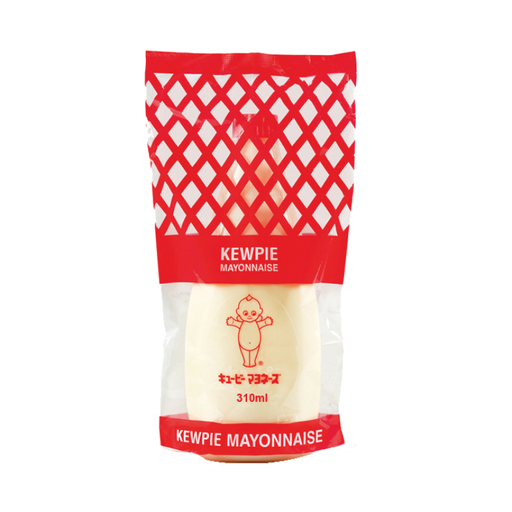
Why this fits the profile: A manageable size for anyone who wants to try Japanese-style mayonnaise first, or doesn’t use large quantities every week.
The volume reduces the chance of buying a large bottle that gets used up slowly. Do check the current allergen information before purchasing.
310 ml, squeezy bottle and suitable for sushi, salads, sandwiches and dipping sauces.
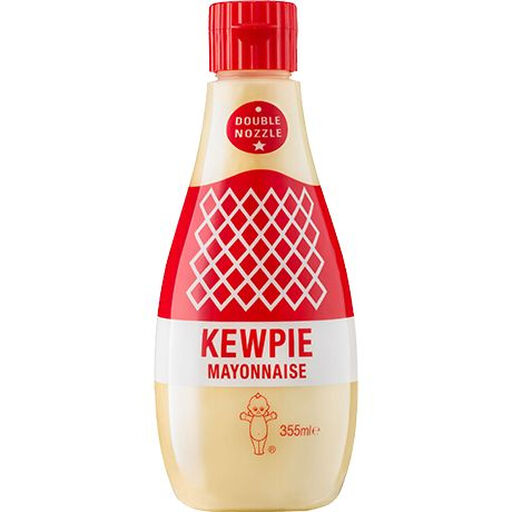
Why this fits the profile: Ideal for home cooks who value clear ingredient information and a medium-sized pack.
The product information lists oil and egg yolk content, so you can compare more accurately than by relying on flavour claims alone.
355 ml, 15% egg yolk according to the product description and a squeezy bottle for precise dispensing.
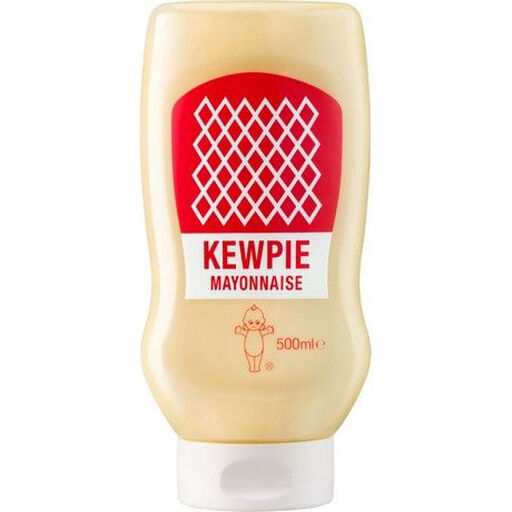
Why this fits the profile: A generous pack for families, Japanese cuisine enthusiasts and anyone who often makes sushi, snacks or salads.
You won’t need to buy multiple small bottles as often if you use the sauce heavily. Just pay attention to the nutritional values and storage after opening.
500 ml volume, suitable for daily use and made with around 14% egg yolk according to the product information.
We’ve put together a full, up-to-date list of products that fully meet these strict selection criteria and comply with current European safety regulations.
Japanese mayonnaise for sushi works well as a topping on maki, poké bowls or sushi burgers. Apply it in thin lines so the sauce doesn’t overpower the rice and fish. For salads, you can mix the mayonnaise with a little rice vinegar, soy sauce or sesame oil. Add liquid gradually to avoid making the sauce too thin.
Other uses:
When combining with other Japanese sauces, check the salt content again. Soy sauce, teriyaki and miso can quickly make the overall flavour saltier.
Kewpie is positioned in product descriptions as a Japanese-style mayonnaise with a creamy texture and a pronounced umami flavour. The ingredients lists include egg yolk, vinegar and sometimes E621. Recipes and nutritional values can vary by pack, so compare the label.
Always follow the storage advice on the pack. The product information recommends keeping the bottle cool, dry and out of direct sunlight, and sealing it tightly. If the label gives specific refrigeration advice after opening, follow that as a guide. Don’t use the mayonnaise if the packaging is damaged.
For occasional use, 310 ml is a manageable choice. If you regularly make sushi, salads or sandwiches, consider 355 ml. For heavy use or a larger household, 500 ml is more practical, as long as you use the bottle within the stated period and store it correctly.
