
Vandaag of morgen in huis

Kwaliteit gegarandeerd

Welkomstaanbiedingen ontgrendelen: GRATIS bezorging | Tot 80% korting | Gratis 30 dagen JoyPlus-proefperiode
Download de app
A kettle may seem simple, but you notice the differences between models every day. A small one can be inconvenient for a family, while a large model takes up unnecessary space on a small office worktop. Features such as temperature control and keep-warm functions may sound appealing, but they are not essential for everyone.
When comparing models, pay particular attention to three common pitfalls:
A 1.7-litre kettle is practical for families, shared kitchens and making several cups of tea or coffee one after another. Based on a 250 ml cup, that is approximately six to seven cups. Always check the MIN and MAX markings: too little water can cause the kettle to boil dry, while overfilling may lead to splashing or boiling over.
For one person or a small office, a capacity of 0.4 to 0.8 litres may be sufficient. A smaller reservoir often heats only the required amount and takes up less space.
An electric kettle rated at 2,000 to 2,400 watts is suitable for normal use with a Dutch power supply. According to the product description, the 2,200-watt Midea Stainless Steel Kettle heats up to 1.7 litres in less than five minutes. The DSP glass kettle is also listed as having a power rating of 2,200 watts.
Treat such timings as product information under specific conditions, not as a guarantee for every kitchen. A full kettle of cold water takes longer than half a kettle of lukewarm water. Also check the maximum power rating of your socket, and do not use the kettle at the same time as several high-power appliances on the same extension lead.
A kettle with temperature control is particularly interesting for tea lovers, coffee drinkers and households that regularly need water at different temperatures. According to the product description, the 1.7-litre Midea kettle offers six settings from 40 to 100 °C. The 1.5-litre Midea model has seven settings from 45 to 100 °C.
A kettle with a keep-warm function can keep water at a certain temperature for a limited period. The Midea models mentioned are stated to keep water warm for up to 60 minutes. Check whether the function starts automatically or needs to be activated manually. For a quick cup of coffee, this function is usually not essential.
A stainless steel kettle generally has a sturdy interior and a neutral appearance. The exterior can become hot during use unless the model has a double-wall construction. A double-wall kettle can keep the outside cooler, but parts such as the lid, spout and steam vent may still become hot.
A glass kettle makes the water level easy to see. Borosilicate glass is mentioned in various product descriptions because of its temperature resistance. However, glass also makes limescale particularly visible. Regular descaling is therefore important in areas with hard water.
Whatever the material, look for:
A kettle is designed for clean water. Do not use it for milk, soup or other liquids unless the instructions expressly allow this.
A kettle with automatic shut-off switches off, according to the product information, when the boiling point or selected temperature has been reached. A kettle with boil-dry protection switches off when there is too little or no water inside. These features reduce risks, but they do not replace safe use.
Before buying, check that the product page clearly lists both features. Also look for:
A CE mark indicates that the product must meet certain European conformity requirements. It is not a quality mark and, on its own, says nothing about speed, lifespan or ease of use. Keep children away during use, and do not touch hot surfaces or steam.
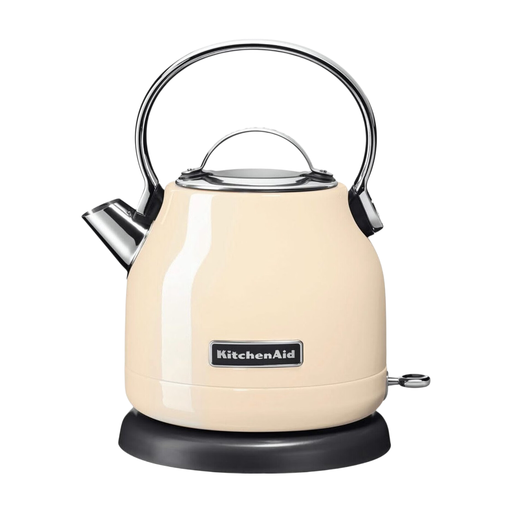
Why it suits this profile: This model is aimed at users who simply want to boil water without temperature programmes or keep-warm settings. Its 1.25-litre capacity is suitable for everyday use when making several cups.
The specifications list automatic shut-off, boil-dry protection, a removable limescale filter and a 360° base. There are no unnecessary boiling programmes to operate every day.
1,250 ml capacity, 2,000 watts, automatic shut-off and a removable limescale filter.
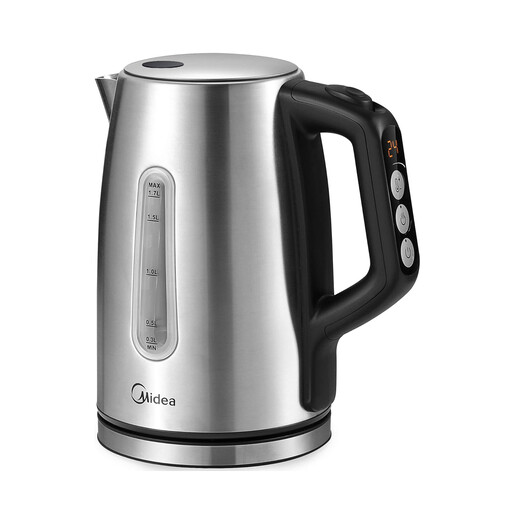
Why it suits this profile: Suitable for households that prepare different drinks and regularly need several cups one after another. The temperature selection is useful for tea and coffee.
The capacity, water-level indicator and six temperature settings make it easier to match the amount and temperature to your needs. The description also lists automatic shut-off and boil-dry protection.
1.7 litres, 2,200 watts, six settings from 40–100 °C and a keep-warm function for up to 60 minutes according to the product description.
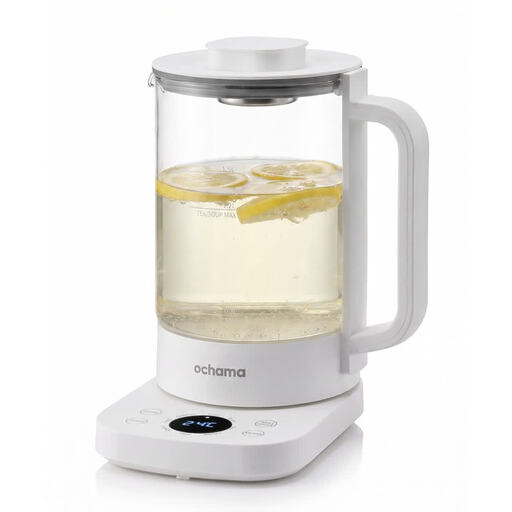
Why it suits this profile: This model is aimed at users who want to use different preparation programmes and keep water warm for longer, as well as boiling water.
The product description lists 11 keep-warm settings, eight functions, a timer of up to 24 hours and boil-dry protection. Choose this model only if you will genuinely use these features.
1.5-litre capacity, 1,000 watts, eight programmes and 11 keep-warm settings according to the product information.
We have put together a complete, up-to-date list of products that fully meet these strict selection criteria and the applicable European safety regulations.
Its lifespan depends on use, water hardness, maintenance and the quality of its components. Descale the jug regularly, empty any remaining water after use, and check the cable and plug. Do not use a damaged appliance.
That depends on your preference. Glass makes the water level visible, while stainless steel may offer a less vulnerable surface. Both materials still require descaling. A double-wall model can make the exterior less hot, but you should still take care around steam and the lid.
Consumption depends mainly on the power rating and the amount of water. A 2,200-watt model does not automatically use a lot of energy per cup: boiling only the amount of water you need limits the boiling time. A water-level indicator can help with this.
