
Vandaag of morgen in huis

Kwaliteit gegarandeerd

Welkomstaanbiedingen ontgrendelen: GRATIS bezorging | Tot 80% korting | Gratis 30 dagen JoyPlus-proefperiode
Download de app
A kettle with temperature control can be useful if you do not always need boiling water. Green tea, filter coffee and some instant products require a lower temperature. However, not every electric kettle with temperature settings is equally practical. A large display or high wattage says little on its own about ease of use, maintenance and safety.
So pay particular attention to these common pitfalls:
First check which temperatures are actually available. For example, one model may offer six settings: 40, 60, 70, 80, 90 and 100 °C. Another may use seven settings between 45 and 100 °C. This difference matters if you often switch between tea, coffee and hot water for food preparation.
A kettle with a temperature display shows the selected or current temperature. This is more practical than a colour indicator alone, but check whether the display remains active while the water is heating, after it reaches the selected temperature or during keep-warm mode.
A kettle with a keep-warm function may, for example, maintain the water at the selected temperature for up to 60 minutes. According to Midea’s product description, this applies to selected models. The precise operation may vary by programme. Therefore, read the instructions before using the function for baby food or other applications where a specific temperature is important.
A power rating of 2100 to 2200 watts is common for models with a capacity of 1.5 to 1.7 litres. According to the product information, a 2200-watt Midea model can heat 1.7 litres in less than five minutes. The 1.5-litre Midea version states approximately four to five minutes. These are product claims; the actual time depends on the amount of water and the temperature of the tap water.
Higher power does not automatically mean greater efficiency. You save the most energy by heating only the amount you need. A clear water-level indicator helps with this. A compact kettle may be sufficient for one or two cups. For a family, 1.5 or 1.7 litres is more convenient.
A stainless steel kettle generally has a robust interior, while glass makes the water level visible. For plastic components, a BPA-free kettle is a relevant product specification. However, check whether the claim applies to all parts that come into contact with water or only to specific components.
Also look out for:
Use a kettle only for clean water, never fill it above the MAX mark, and do not immerse the jug, plug or base in water.

Why it suits this profile: A straightforward model for everyday cooking, tea and coffee, without temperature programmes you may not need.
The glass body makes the water level easy to see, helping you avoid heating more water than necessary. According to the product description, automatic switch-off and boil-dry protection are included.
1.7-litre capacity, 2200 watts, borosilicate glass and a blue LED indicator while boiling.
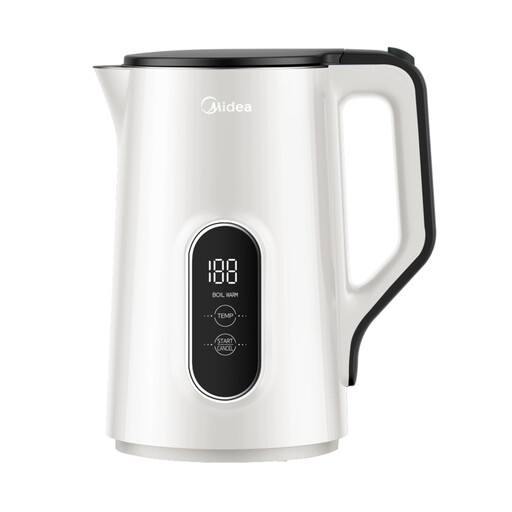
Why it suits this profile: Ideal for anyone who prepares tea and coffee at different temperatures and wants to be able to check the temperature during use.
The seven temperature settings from 45 to 100 °C and the digital display make it easy to check the selected setting. According to the product description, it also features a double wall and a keep-warm function lasting up to one hour.
2200 watts, 1.5-litre capacity, BPA-free components according to the product description, and temperature display.
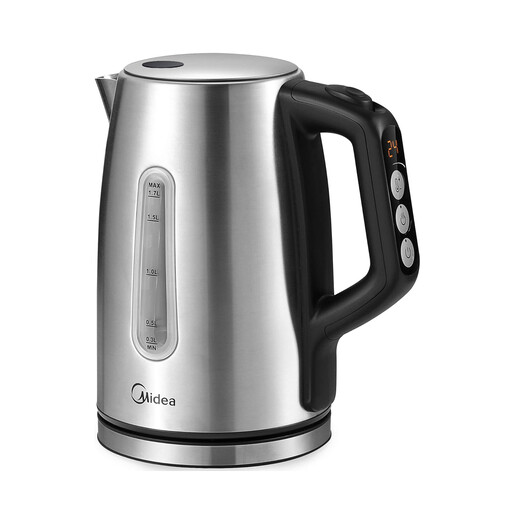
Why it suits this profile: A practical choice for families, home workers and households that need hot water several times a day.
The product information lists six temperature settings, automatic switch-off, boil-dry protection and a limescale filter. The water-level indicator helps you fill it accurately.
1.7-litre capacity, 2200 watts, keep-warm function for up to 60 minutes according to the product description, and a stainless steel body.
We have compiled a complete, up-to-date list of products that fully meet these strict selection criteria and the applicable European safety regulations.
That depends mainly on how you use it. A lower temperature generally requires less energy than bringing water fully to the boil, but the biggest saving comes from not heating more water than necessary. A water-level indicator and a suitable capacity can help with this.
This depends on the hardness of your water and how often you use the kettle. If you notice white deposits or the water takes longer to heat, descaling is advisable. Follow the manufacturer’s instructions and do not use harsh cleaning products. A limescale filter catches particles, but it does not replace descaling.
An adjustable temperature can be practical, but always follow the preparation instructions on the packaging and the manufacturer’s guidance. Check the temperature yourself and never leave hot water unattended. A kettle is designed for water; do not heat milk or other liquids in it unless the instructions expressly allow this.
