
Vandaag of morgen in huis

Kwaliteit gegarandeerd

Welkomstaanbiedingen ontgrendelen: GRATIS bezorging | Tot 80% korting | Gratis 30 dagen JoyPlus-proefperiode
Download de app
A kettle may seem simple, but you will notice the differences between models after just a few weeks of use. A capacity that is too small means repeatedly refilling it, unclear temperature control is inconvenient for tea, and a smooth interior that is difficult to clean can make limescale more noticeable.
So do not just focus on wattage or an attractive exterior. Consider the capacity, material, controls and safety features that suit the way you use it.
A 2,200-watt electric kettle can heat water quickly, but the actual boiling time also depends on the amount of water, its starting temperature and the design of the heating element. A higher wattage does not automatically mean that every model boils equally quickly.
For a household, 1.5 to 1.7 litres is often practical. If you usually make just one cup of tea, a compact model may use less energy per boiling cycle.
A 1.7-litre kettle may be suitable for several people, but always fill it between the indicated minimum and maximum markers. Too little water can activate the boil-dry protection; too much water increases the risk of splashing through the spout.
For a 250 ml cup, allow for around six to seven cups with a capacity of 1.5 to 1.7 litres. The exact usable amount still depends on the markings on the appliance.
A kettle with temperature control and a keep-warm function is useful for different types of tea, coffee or repeated use. If you only need boiling water, these features may be unnecessary. Extra buttons also make the controls more elaborate and can make cleaning more difficult.
Also check brand claims carefully. If a model is described as particularly quiet, extra durable or exceptionally fast, treat that as a brand claim. It is better to base your choice on verifiable details such as power, capacity, material and available safety features.
For families and shared use, 1.7-litre models are a logical choice. A power rating of around 2,000 to 2,200 watts suits anyone who regularly prepares several cups at once. A smaller 0.8-litre model takes up less space and prevents you from routinely boiling more water than you need.
With a fast-boiling kettle, also check the instructions for the minimum and maximum fill levels. The boiling time shown on a product page is generally based on specific conditions.
A stainless steel kettle often has a sturdy inner chamber. Check whether the water comes into contact with stainless steel and whether the interior is seamless or easy to access for cleaning.
A glass kettle lets you see the water level immediately. Borosilicate glass is used in various models because of its stated temperature resistance, but glass and metal parts can become hot during use. A transparent body also makes limescale more visible.
With a BPA-free kettle, check exactly what the product information states. For some models, only the parts that come into contact with water are described as BPA-free. Use the full product specifications as your guide rather than relying solely on the title.
A kettle with automatic switch-off should switch off when the set temperature or boiling point has been reached. A model with boil-dry protection is designed to stop heating when the water level is too low. These features reduce the risk during normal use, but they do not replace supervision and correct operation.
Also check for:
The choices below are linked to specific product details. The features and operation are described according to the product information available from the brands and sellers.
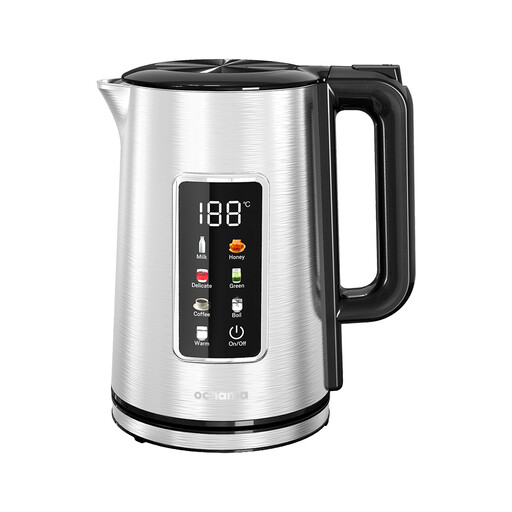
Why it suits this profile: The 1.7-litre capacity and 2,100-watt power rating are suitable for everyday use by several people. The temperature display makes the operation easy to monitor.
The double stainless steel wall and automatic switch-off meet the need for a straightforward model with basic safety protection.
1.7-litre capacity, 2,100 watts, double-walled stainless steel construction and cord storage in the base.
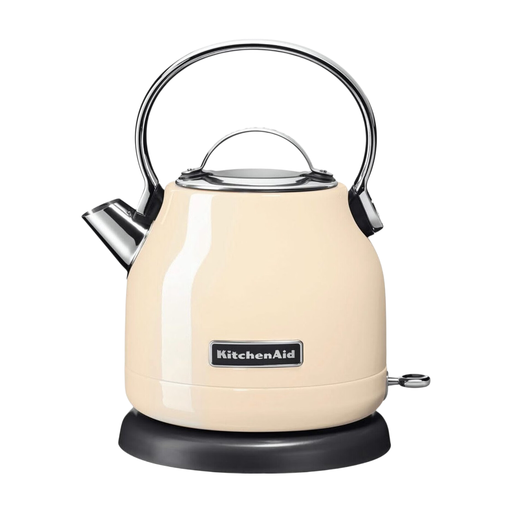
Why it suits this profile: This stainless steel model has a 1.25-litre capacity, 2,000-watt power rating and classic design. It is a good fit for consumers who consider both materials and appearance when choosing a product.
The capacity is clearly specified, and the model lists automatic switch-off and boil-dry protection. However, its capacity is smaller than 1.7 litres.
Stainless steel body, 360° swivel base, removable limescale filter and a stated statutory warranty of at least two years.
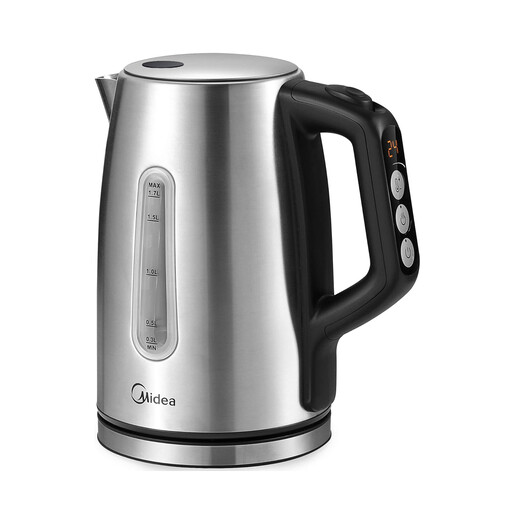
Why it suits this profile: Six temperature settings from 40 to 100 °C and a keep-warm function for up to 60 minutes are practical for tea, coffee and repeated use.
The temperature selection means you do not need to bring the water fully to the boil again for every drink. A limescale filter and water-level window support everyday maintenance and accurate filling.
2,200 watts, 1.7 litres, six temperature settings, keep-warm function for up to 60 minutes, automatic switch-off and boil-dry protection.
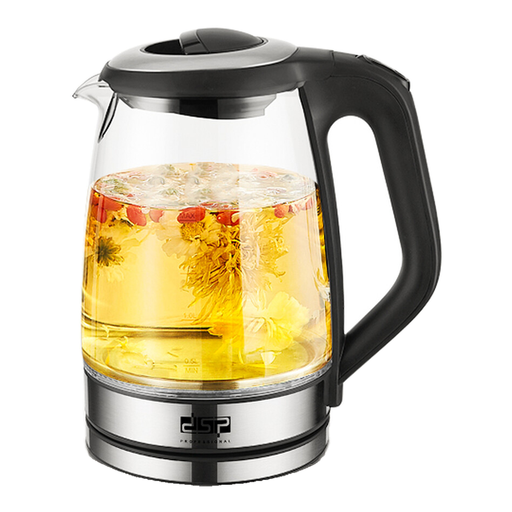
Why it suits this profile: The glass body makes the water level visible. The built-in strainer can be useful when preparing tea.
The capacity and power are clearly stated. According to the product information, automatic switch-off and boil-dry protection are included.
High-borosilicate glass, 2,200 watts, 360° swivel base, blue LED light and built-in strainer.
We have put together a complete, up-to-date list of products that fully meet these strict selection criteria and the applicable European safety regulations.
A kettle will generally last longer when you fill it correctly and descale it regularly. How often this is needed depends on the hardness of the water in your area and how frequently you use the appliance.
A keep-warm function can be useful, but it uses electricity for longer than a single boiling cycle. Use this function only when you need more water again within a short time. With temperature control, it is advisable to check the selected temperature before starting preparation.
Consumption depends on the power rating, boiling time and amount of water. A 2,200-watt model uses 2.2 kWh when operating at full power for one hour, but a complete boiling cycle usually takes much less time. Boiling only the amount of water you need helps to limit consumption.
This depends on the hardness of the water and how often you use the kettle. If you notice white deposits on the heating element or the kettle takes longer to heat, check the manual for a suitable descaling method. A removable limescale filter can catch particles in the water, but it does not prevent all limescale from building up inside the jug.
It can be, particularly if you want to keep an eye on the water level. However, bear in mind that glass and metal components become hot. Choose a stable location, keep children away and follow the safety instructions. If you are mainly looking for a cooler exterior, consider a double-walled stainless steel kettle.
