
Vandaag of morgen in huis

Kwaliteit gegarandeerd

Welkomstaanbiedingen ontgrendelen: GRATIS bezorging | Tot 80% korting | Gratis 30 dagen JoyPlus-proefperiode
Download de app
A kettle might seem like a simple kitchen appliance, but the differences between models are significant. A cheap electric kettle can work perfectly well for a single cup of tea, whereas a family or office will get more use from a 1.7-litre kettle with a keep-warm function. A temperature-controlled kettle or hot water dispenser can also be handy, but only if the features match your daily routine.
Pay particular attention to three common pitfalls:
Choose the capacity based on the number of users. A 0.4-litre kettle is ideal for one person at a desk. For a household, models of 1.5 to 1.7 litres are more practical. According to the product information for various models, a 1.7-litre capacity is suitable for multiple cups, but never fill above the maximum mark.
The power rating partly determines how quickly the water heats up. Models with 2,100 to 2,600 watts are designed for fast boiling. A lower wattage may be sufficient for a small quick-boil kettle or a tea kettle, but heating a full kettle will generally take longer. Also check that the product is compatible with the Dutch electricity supply of 220–240 volts and 50 Hz.
A temperature-controlled kettle is practical for green tea, coffee and drinks that don't require boiling water. The available settings vary by model. The Midea 1.7-litre kettle, for example, offers six levels: 40, 60, 70, 80, 90 and 100 °C. Another Midea model works with seven settings between 45 and 100 °C.
A kettle with a keep-warm function keeps the water at the chosen temperature for up to 60 minutes, according to the product description. This is handy when several people are making tea or coffee one after another. Do check whether the keep-warm function only works after boiling and how much energy the appliance uses during that time.
For baby food, a lower temperature setting can be practical, but always follow the preparation instructions from the food manufacturer. A temperature display is a helpful guide, not a guarantee that every millilitre is at exactly the same temperature.
A stainless steel kettle often has a sturdy inner wall. A double-walled model can keep the outside cooler, but don't touch the appliance during or immediately after use without checking first. A glass kettle makes the water level visible and can have a neutral look. However, glass is more fragile and requires care when filling, cleaning and moving.
At a minimum, look for:
Only use a kettle for clean water, unless the manufacturer explicitly states otherwise. Descale regularly according to the manual. With a hot water dispenser, you also need to maintain the water reservoir, drip tray and any filters.

Why this fits the profile: This glass kettle offers a 1.7-litre capacity, a visible water level and 2,200 watts of power. That makes it suitable for daily use with tea or coffee, without complicated settings.
The product description mentions automatic shut-off and boil-dry protection, so you don't have to rely solely on switching it off manually.
1.7-litre capacity, 2,200 watts, borosilicate glass and a blue LED indicator.
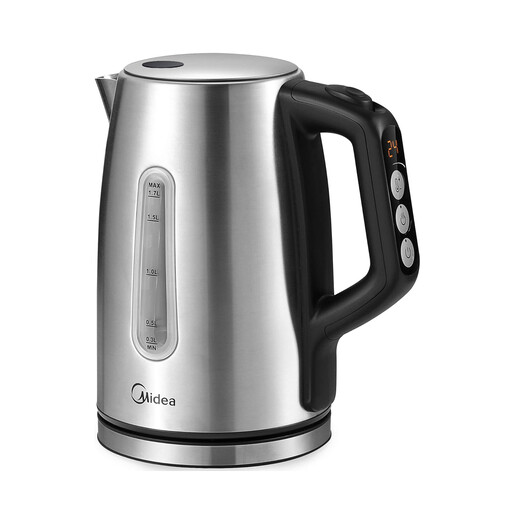
Why this fits the profile: The combination of six temperature settings, a keep-warm function and a stainless steel body suits users who want to prepare tea and coffee more precisely.
The temperature can be adjusted instead of always heating to 100 °C. The description also mentions automatic shut-off, boil-dry protection and a limescale filter.
1.7 litres, 2,200 watts, six temperature settings and up to 60 minutes of keep-warm, according to the product information.
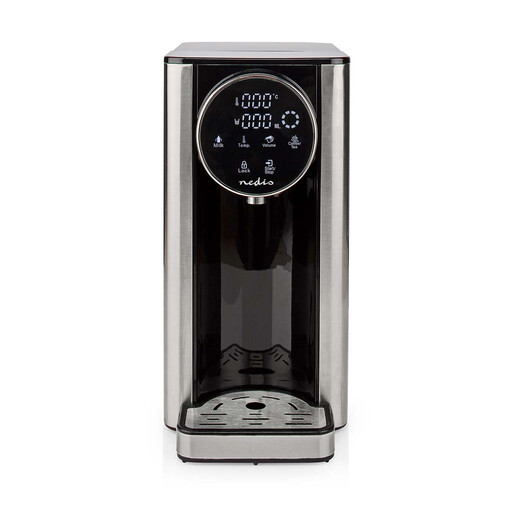
Why this fits the profile: A hot water dispenser is ideal for anyone who regularly needs small amounts of hot water, for example in an office or throughout the day for multiple drinks.
You don't have to boil a full kettle each time: the dispenser offers five volume options and seven temperature settings, according to the product description.
2.7-litre reservoir, 40 °C quick-access button, child safety lock, boil-dry and overheat protection.
We've put together a full, up-to-date list of products that fully meet these strict selection criteria and comply with current European safety regulations.
Fill a kettle with cold, clean water and stay below the maximum mark. Place the kettle fully on the base and keep the cable, plug and base away from water. Do not open the lid during boiling because of the hot steam.
Descale the appliance as soon as you see limescale build-up or when the manual recommends it. In areas with hard tap water, this may be needed more often. Do not use harsh cleaning products and never immerse the base in water.
The lifespan depends on usage, limescale build-up, material and maintenance. Regular descaling and avoiding dry boiling help reduce wear and tear. Replace the appliance if the cable, body, lid or shut-off function becomes damaged.
That depends on the amount of water you heat and your usage pattern. A kettle often heats a full kettle, whereas a hot water dispenser can dispense small amounts at a time. Only heat the amount you need and also compare the standby and keep-warm energy consumption.
This varies by tea type and packaging. Green tea is often not made with boiling water, while black tea generally requires a higher temperature. Follow the instructions from the tea manufacturer and choose a temperature setting that matches.
