
Vandaag of morgen in huis

Kwaliteit gegarandeerd

Welkomstaanbiedingen ontgrendelen: GRATIS bezorging | Tot 80% korting | Gratis 30 dagen JoyPlus-proefperiode
Download de app
A kettle seems simple: add water, press a button and wait. But models vary considerably in capacity, controls, materials and maintenance. A compact electric kettle can be handy for one person, while a family may be better suited to a 1.5-litre kettle or a hot water dispenser.
The most common buying mistakes usually have nothing to do with choosing the wrong colour or shape. They tend to come down to three practical pitfalls.
A higher wattage doesn’t automatically mean every use will be quicker or more energy-efficient. Heating time also depends on how much water you’re boiling. If you boil 1.7 litres every time you want one cup of tea, you’ll use more energy than necessary. That’s why it’s important to choose a fast-boil kettle with a low minimum fill mark.
Electric kettles typically have a power rating of around 1,500 to 2,400 watts. Also check that the stated capacity suits your electrical circuit and daily use.
A 1.5-litre kettle won’t always provide exactly 1.5 litres of usable water. The MIN and MAX marks determine how much water you can safely boil. Too little water can cause the kettle to boil dry; too much increases the risk of splashing or boiling over.
A capacity of 0.8 to 1 litre may be enough for one person. Households of three to five people often benefit from a capacity of 1.5 to 1.7 litres. For several cups in a row or use in an office, a hot water dispenser with a 2.5 to 3-litre tank may be more practical.
A kettle with temperature control is useful for making different types of tea, coffee and hot drinks. But not everyone needs seven temperature settings. A standard kettle is simpler and often easier to clean.
A kettle with a keep-warm function can be handy when several people want tea one after another. Check the stated keep-warm time and power consumption. For a tea maker, features such as a timer, infuser and automatic shut-off are also worth considering.
First, consider how many people will use the kettle and how much worktop space you have. A 1.5-litre kettle is a practical middle ground for many UK households. Students and people living alone may be better off with a 0.8 to 1-litre model.
Also check:
A 360° swivel base is particularly convenient when several people use the kettle.
A glass kettle lets you see the water level at a glance. Borosilicate glass is often used for its heat resistance, but it’s still more fragile than plastic or stainless steel. A wide opening makes cleaning easier.
A stainless steel kettle usually has a sturdy interior and a neutral look. Check whether the outside gets hot. A double-wall model may provide better insulation, but don’t take claims such as “anti-scald” at face value: always read the warnings in the manual too.
Plastic models are often lightweight and affordable. Check whether the material is described as BPA-free and which parts come into contact with water. This is a product specification, not a guarantee of a particular taste or performance.
At a minimum, choose a kettle with:
No safety feature is a substitute for using the kettle responsibly. Fill it only between the MIN and MAX marks, don’t touch the steam outlet and keep a hot appliance out of children’s reach.
Limescale is an important maintenance consideration in the UK. Descale the kettle according to the instructions and check whether the filter is removable and washable. A concealed heating element can make cleaning easier, but it won’t remove limescale completely.
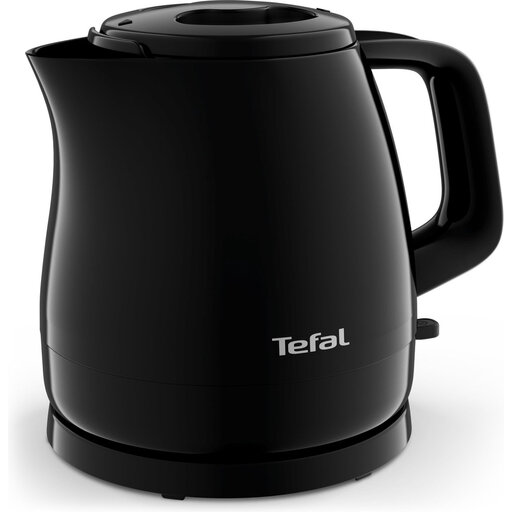
Why it suits this user: Its 0.8-litre capacity is suited to one or two people, and it’s straightforward to use with a simple on/off control.
The water-level indicator helps you fill it accurately. According to the product information, it has automatic shut-off, boil-dry protection and a removable filter.
0.8 litres, 2,400 watts, a 360° base and a concealed heating element, according to the product specifications.
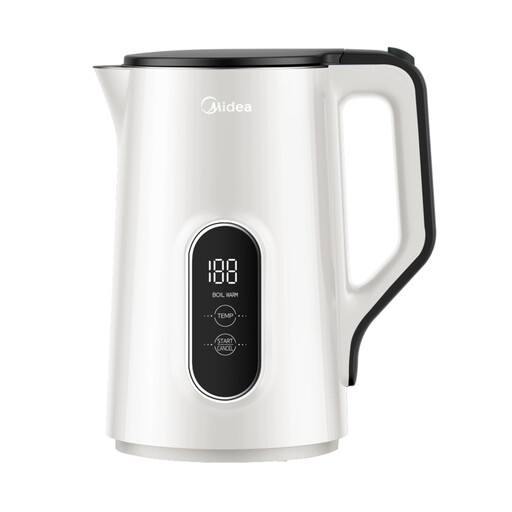
Why it suits this user: This model is designed for households that make a variety of drinks and value precise temperature control.
The seven temperature settings mean you don’t have to boil water fully for every drink. The product specifications also list a keep-warm function that lasts for up to one hour.
1.5 litres, 2,200 watts, temperature settings from 45 to 100 °C and a digital temperature display.
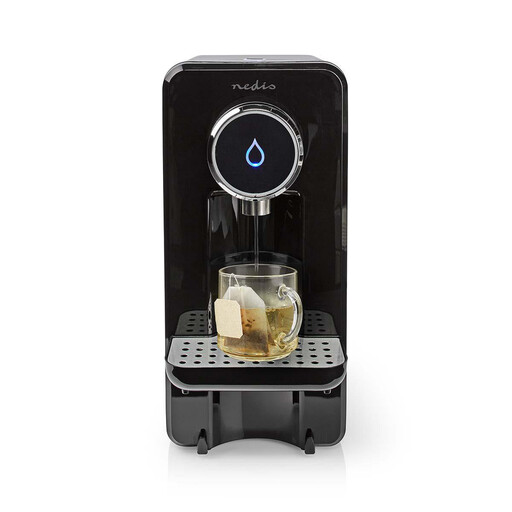
Why it suits this user: A hot water dispenser is well suited to offices, large households and anyone who often needs small amounts of water.
The controls are designed to dispense a single cup of around 200 ml. According to the product information, the appliance has boil-dry and overheat protection, as well as a descaling indicator.
A 2.5-litre tank, adjustable spout and a choice of a short dispense or up to 500 ml per use.
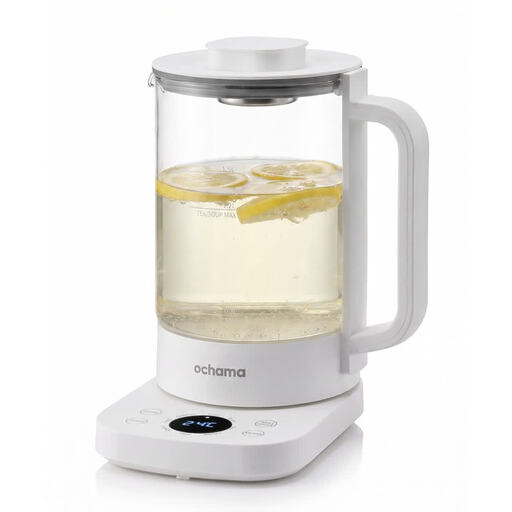
Why it suits this user: Its 1.5-litre capacity, range of programmes and timer make it a good fit for families preparing tea, soup or hot drinks at different times.
The 11 keep-warm settings and eight programmes make its features useful and easy to understand. Always fill between the indicated MIN and MAX marks, and use cold water only.
1,000 watts, 1.5 litres, a 24-hour timer and boil-dry protection, according to the product description.
We’ve put together a comprehensive, up-to-date list of products that meet these strict selection criteria and the applicable European safety regulations.
Models rated at around 1,500 to 2,400 watts are common for everyday use. A higher wattage can reduce heating time, but the amount of water still matters. Only boil what you need, and check that the wattage is suitable for your electrical installation.
A kettle’s lifespan depends on how often you use it, limescale build-up, the materials and how well you maintain it. Regular descaling, not letting it boil dry and avoiding leaving it filled unnecessarily can help reduce wear. When buying, also check the warranty and returns policy. Several of the models mentioned come with a stated statutory warranty of at least two years; additional rights may apply under the relevant Dutch legislation.
That depends on how you use it. A dispenser can be efficient if you often need just one cup, as you don’t have to heat a full kettle each time. If you only boil water a few times a day, a standard kettle will usually be sufficient. Compare the capacity, wattage and standby function, and consider how much water you actually use.
