
Vandaag of morgen in huis

Kwaliteit gegarandeerd

Welkomstaanbiedingen ontgrendelen: GRATIS bezorging | Tot 80% korting | Gratis 30 dagen JoyPlus-proefperiode
Download de app
A kettle may seem like a simple appliance, but the differences lie in the details. Think about capacity, power, controls and how you’ll manage limescale. A model that’s right for a student room may not have the same features as a kettle for a large household or a tea enthusiast.
When comparing models, don’t just look for claims such as “fast” or “durable”. Always check the product specifications and safety features. That way, you won’t pay for features you don’t use or miss out on something important.
A 1.7-litre kettle is practical for several people, but less economical if you’re only heating one mug at a time. Boiling a full kettle takes more time and electricity than heating the amount you actually need. A clear water-level indicator, ideally with a one-cup marker, helps you fill it more accurately.
Power affects how quickly water heats, but it’s not the only factor. The amount of water, its starting temperature and the heating element all play a part. A 3,000-watt electric kettle can generally heat a full kettle quickly, but it also uses more power while boiling than a 1,500-watt model.
Also check that your socket and circuit are suitable for the stated wattage. Plug the kettle directly into a suitable socket and follow the instructions.
A kettle with a limescale filter catches visible limescale particles as you pour, but it doesn’t stop limescale building up inside the kettle or on the heating element. If you live in a hard-water area, you’ll still need to descale it regularly. A removable, washable filter makes maintenance easier.
Choose the capacity to suit the number of people using it:
A compact kettle takes up less space and can be more efficient for small amounts. Just check that its minimum fill level suits the way you’ll use it.
Many models sold in the Netherlands have a power rating of around 1,500 to 3,000 watts. A higher wattage can speed up boiling, but the actual time depends on how much water you’re heating. If you mainly make one cup at a time, a one-cup marker may be more useful than the highest wattage.
A simple way to calculate energy use is:
power in kilowatts × usage time in hours = consumption in kilowatt hours.
A 2,200-watt kettle heating for around five minutes uses approximately 0.18 kWh in theory. The actual cost depends on your energy tariff and how often you use it.
A kettle with automatic shut-off should switch off when the water boils. Other useful features include:
A cordless kettle usually means the jug can be lifted off its 360° base. This makes it easier to pour with either hand, although the base still needs to be plugged into a socket.
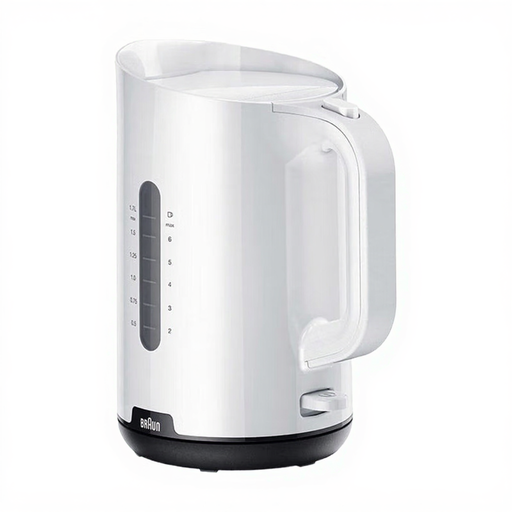
Why it suits this profile: Its 1.7-litre capacity and simple button controls make it a good fit for everyday use in a household, whether you’re making tea, coffee or instant meals.
The visible water-level indicator helps prevent overfilling. Automatic shut-off and boil-dry protection are listed as features.
1.7-litre capacity, 2,200 watts, 360° base, cord storage and automatic shut-off.
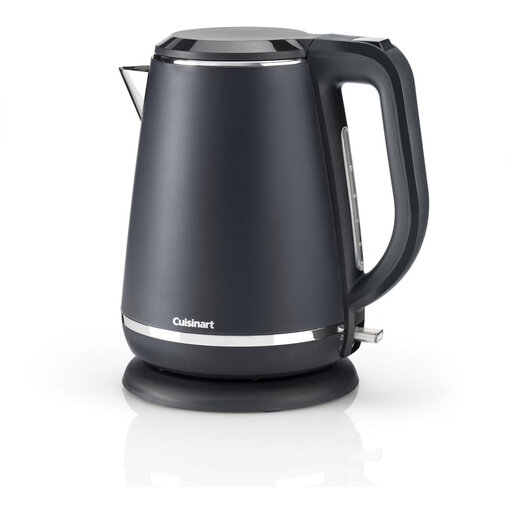
Why it suits this profile: Its stainless steel interior, 1.5-litre capacity and higher wattage make it a good choice for frequent everyday use and shoppers who appreciate quality finishes.
The removable, washable limescale filter makes maintenance easy to manage. The water-level indicator helps you avoid boiling a full kettle by default.
3,000 watts, stainless steel interior, 360° base, boil-dry protection and a three-year manufacturer’s warranty, according to the product information.
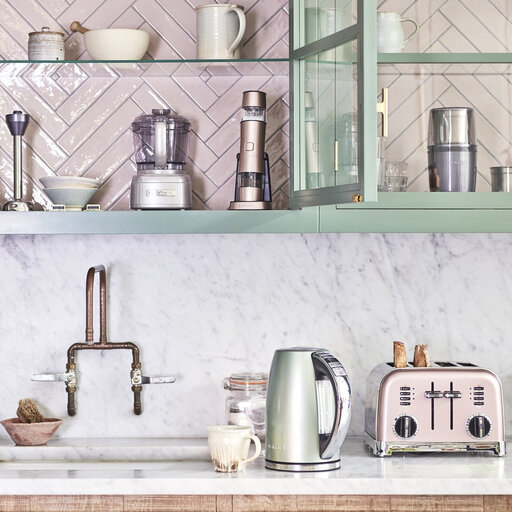
Why it suits this profile: If you make different types of tea, a kettle with temperature control and a temperature indicator could be more useful than one with just an on/off switch.
The temperature settings let you heat water below boiling point for some drinks. Check the current product listing for the available temperature settings.
1.7-litre capacity, 3,000 watts, stainless steel housing, temperature indicator and automatic shut-off.
Descale the kettle as soon as you notice a build-up or if it starts taking noticeably longer to boil. Use a suitable descaling product according to the instructions, then rinse the kettle several times. Never immerse the kettle, base, plug or cable in water.
Fill the kettle to between the indicated minimum and maximum levels. Too little water may activate the boil-dry protection; too much may spill out of the spout while boiling. Don’t leave a kettle with a keep-warm function switched on for longer than necessary, and check how long the function stays active.
We’ve put together a full, up-to-date list of products that meet these strict selection criteria and the applicable European safety regulations.
Its lifespan depends on how often you use it, your water hardness, how well you maintain it and the quality of its components. Regular descaling, avoiding boiling it dry and taking care when handling the lid and base can help reduce wear. According to the product information, the products mentioned come with a legal guarantee of at least two years; some models also have a manufacturer’s warranty.
It can be, if you heat water to the temperature you need rather than always bringing it to the boil. Actual energy use mainly depends on the amount of water, the temperature setting and how often you use the feature. So when comparing models, look at capacity and wattage as well as the number of temperature settings.
The cost varies depending on your energy tariff and how much water you boil. Calculate the energy use with power in kilowatts × time in hours, then multiply the result by your price per kWh. Boiling only the amount of water you need is usually more practical than heating a full kettle every time.
