
Vandaag of morgen in huis

Kwaliteit gegarandeerd

Welkomstaanbiedingen ontgrendelen: GRATIS bezorging | Tot 80% korting | Gratis 30 dagen JoyPlus-proefperiode
Download de app
A kettle might seem like a simple kitchen appliance, but the differences between models really matter in everyday use. A household with several people has different needs to a student room, home office or campsite. So don't just focus on wattage or a striking design.
An electric kettle with 2200 watts can heat up powerfully, but the boiling time also depends on the amount of water, the starting temperature and the heating element. If you're constantly boiling 1.7 litres for just one cup of tea, you're also using more energy than necessary. A water level indicator or single-cup marking helps you measure precisely.
A 1.7-litre kettle is handy for families, guests or several instant meals. For one person, a compact kettle of 0.8 to 1 litre can be more practical. A model that's too large takes up more space and can make you boil unnecessary amounts of water. Also check the minimum fill level: below that mark, the boil-dry protection may kick in, or the appliance may not work as intended.
Check which safety features are actually listed in the product specifications. A kettle with automatic shut-off should switch off when the water boils. Boil-dry protection is designed to stop heating when there isn't enough water. A 360° base, non-slip feet and a well-sealing lid make the kettle more practical to use, but they don't prevent hot steam or boiling water from causing burns.
Choose the capacity based on the number of users:
Wattage only tells you about the electrical input. The actual boiling time varies depending on the amount of water and the model. Claims like "within minutes" should therefore be seen as an indication from the product description, not as a universal guarantee.
A stainless steel kettle often has a metal interior or housing. Check exactly which part is made of stainless steel. For example, the Ochama 1.7-litre kettle specifies an inner pan made of 304 food-grade stainless steel. A metal interior can be easy to remove, but the outside can get hot during use.
A glass kettle makes the water level visible. The Ochama Glass Electric Kettle mentions high borosilicate glass. However, glass is fragile and requires care when moving and cleaning. Plastic models are often lighter, but check that BPA-free material is explicitly stated in the specifications.
A standard kettle usually heats water to boiling point. A kettle with temperature setting is more interesting for users who want to set different temperatures for, say, tea or instant coffee. The Midea Stainless Steel Kettle offers six levels from 40 to 100 °C.
A kettle with a keep-warm function can keep the water at a set temperature after heating. Pay attention to the duration and temperature: the Ochama Electric Kettle mentions automatic keep-warm at 55 °C, while Midea specifies a keep-warm function for up to 60 minutes. These features can be handy, but they use extra electricity while the water is kept warm.
In parts of the UK, tap water can contain quite a lot of limescale. A removable limescale filter catches particles when you pour, but it doesn't remove all the limescale from the kettle. Regular descaling is still necessary. Look for:
Only use the kettle for clean water, unless the manufacturer explicitly states otherwise. Allow the appliance to cool down and unplug it before cleaning.
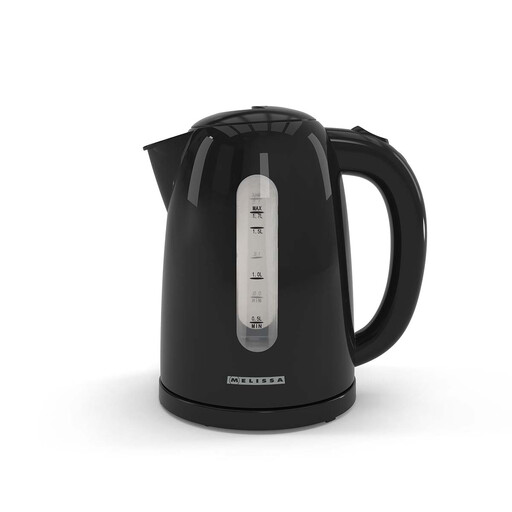
Why this fits the profile: The 1.7-litre capacity and simple on/off operation are practical for daily use without temperature programmes.
The specifications list both automatic shut-off and boil-dry protection. The water level indicator helps prevent overfilling and underfilling.
1.7 litres, 2200 watts, 360° base, limescale filter, cord storage and non-slip feet.
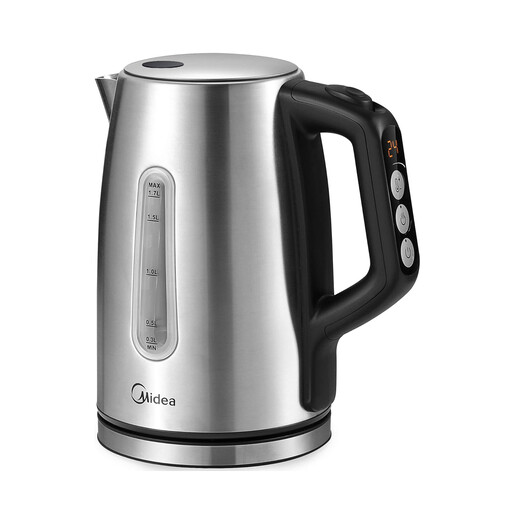
Why this fits the profile: This model is aimed at users who value temperature control and keep-warm functionality over simple one-button operation.
The desired temperature can be set in six steps from 40 to 100 °C. This means you don't have to heat to boiling point by default.
Stainless steel finish, 1.7 litres, 2200 watts, keep-warm up to 60 minutes and limescale filter.
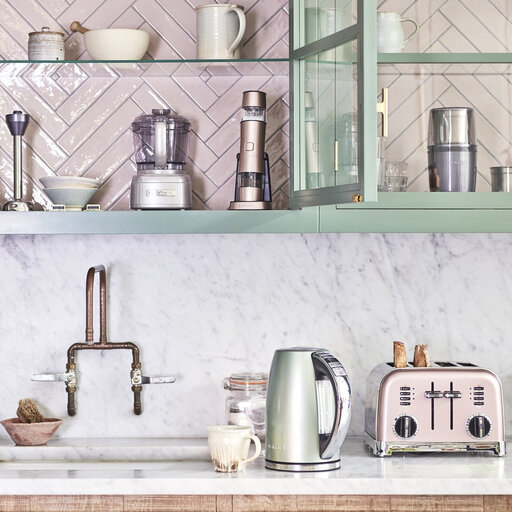
Why this fits the profile: With 1.7 litres, temperature settings and 3000 watts, this model suits regular use for multiple hot drinks.
The product specifications mention a temperature indicator and automatic shut-off. Do check which temperature settings are available in the manual before purchasing.
Stainless steel housing, 1.7 litres, temperature settings, 360° base and automatic shut-off.
We've put together a full, up-to-date list of products that fully meet these strict selection criteria and comply with current European safety regulations.
Only fill the kettle with the amount of water you need. A 250-millilitre cup requires less energy than a full jug. Place the jug fully on the base, keep the outside and underside dry, and don't open the lid while the water is boiling. Don't touch the housing or steam opening immediately after boiling.
Descale the appliance according to the manual. A limescale filter is not a substitute for maintenance. Don't use abrasive cleaners and never immerse the kettle, base, plug or cord in water. If the cable or housing is damaged, replacing it is safer than attempting a DIY repair.
The lifespan depends on how often you use it, the water quality, maintenance and the quality of the components. Regular descaling, filling it correctly and not unnecessarily activating the boil-dry protection can help limit wear and tear. Also check the statutory guarantee and any manufacturer's warranty that comes with the product.
The consumption is mainly determined by the wattage, the amount of water and the time the appliance is heating. A higher wattage can shorten the heating time, but it also uses more electricity per minute. So only boil the amount you need, and only use a keep-warm function when it offers a practical advantage.
That depends on your preferences. Glass makes the water level clearly visible, while stainless steel offers a different look and construction. With both materials, check the maintenance instructions, whether a limescale filter is included, the lid design and the safety features. No material makes regular cleaning unnecessary.
