
Vandaag of morgen in huis

Kwaliteit gegarandeerd

Welkomstaanbiedingen ontgrendelen: GRATIS bezorging | Tot 80% korting | Gratis 30 dagen JoyPlus-proefperiode
Download de app
A kettle may seem like a simple kitchen appliance, but you’ll notice the differences between models every day. A kettle that’s too small means boiling water again, a hard-to-read water gauge can lead to waste, and no limescale filter makes maintenance more difficult. Features such as temperature control and keep-warm settings aren’t essential for everyone either.
If you focus mainly on a low price or high wattage, you could end up with an inconvenient purchase. Start by considering how you’ll use it, its capacity and its safety features. Below, we cover the key things to look out for, along with some models to suit different households.
A fast kettle often has a power rating of 2,200 to 3,000 watts. This can speed up heating, but the actual boiling time also depends on the amount of water, its starting temperature and the heating element. A model rated at 850 watts, such as the ADLER AD 08W, draws less power but will generally take longer.
Don’t automatically boil a full kettle for one cup of tea, either. A clear water-level indicator or cup markings can help you avoid using more water and energy than necessary.
A 1.5-litre kettle is suitable for several cups or a household, but takes up more space than a compact model. A 1.7-litre kettle is better suited to families and entertaining. For a student room, home office or one person, 0.8 to 1 litre may be enough.
Check the minimum fill level too. Some models aren’t practical if you only want to boil a small amount of water.
A kettle with temperature control is useful for different types of tea, instant coffee or certain recipes. If you mainly need hot water for black tea or pasta, you may not use this feature much. The same applies to a kettle with a keep-warm function: according to the product description, it keeps water at a set temperature for a certain period, but it uses extra electricity to do so.
Also check that the feature mentioned is actually listed in the technical specifications. Marketing copy can be more detailed than the product specifications.
Use this guide:
You won’t always need to boil a full kettle, so choose a model with an easy-to-read water-level indicator. For example, according to the product information, the Melitta LOOK AQUA II has a double-sided, illuminated water-level indicator.
An electric kettle rated at 2,200 to 3,000 watts is suited to frequent everyday use, provided your socket and circuit can support the appliance. A higher wattage doesn’t automatically make every use cheaper or faster. The amount of water still makes a difference.
A concealed or flat heating element is easier to clean than an exposed one. Also check whether the model has a minimum fill mark, so you don’t heat too little water.
Look out for at least the following:
An stainless-steel kettle often has a metal interior or casing. Check which parts are actually made of stainless steel, though: for example, a model might have a stainless-steel inner jug and a plastic exterior. Descale it regularly, especially if you live in a hard-water area. Only use a suitable descaling product and follow the instructions.
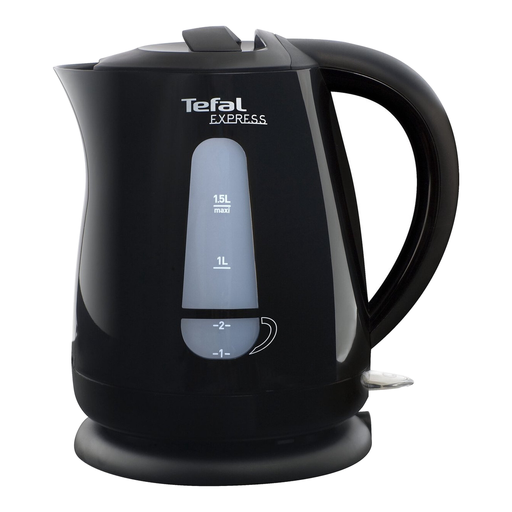
Why it suits this type of buyer: The 1.5-litre capacity is well suited to everyday use in a small household. The one-cup marking helps you avoid filling the whole kettle by default.
The product information lists a water-level indicator, automatic switch-off, a concealed heating element and a removable limescale filter.
1.5-litre capacity, 2,400 watts, 360-degree swivel base and removable limescale filter.
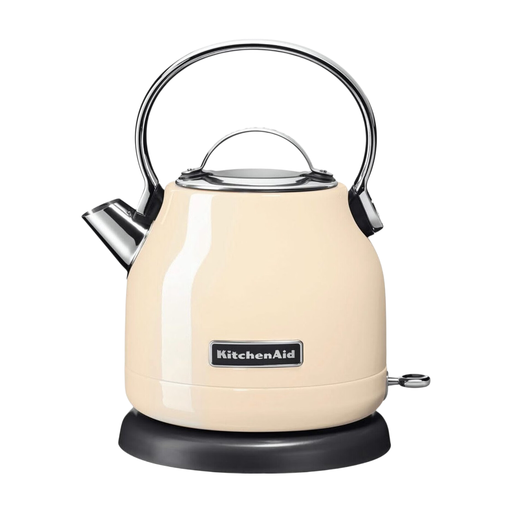
Why it suits this type of buyer: The metal casing, 1.25-litre capacity and classic design will appeal to buyers who value materials and appearance.
According to the product description, this model has boil-dry protection, automatic switch-off and a removable limescale filter.
Stainless-steel casing, 1.25 litres, 360-degree swivel base and 2,000 watts of power.
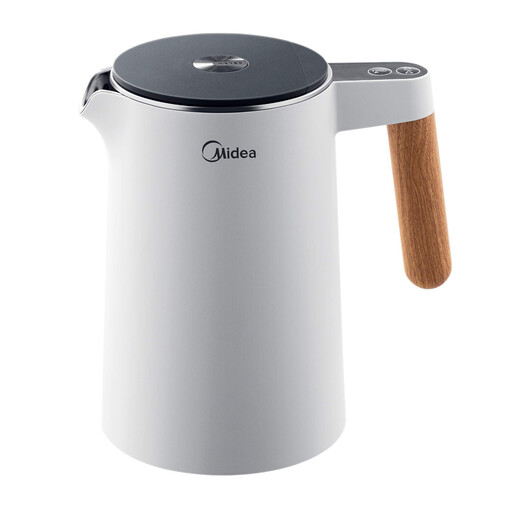
Why it suits this type of buyer: If you use water at different temperatures, for example for tea, coffee or baby formula, the product description lists seven preset settings from 45 to 100 degrees.
The temperature settings and display are clearly specified. According to the product information, the double wall is designed to keep the outside cooler.
1.5 litres, seven temperature settings and a keep-warm function for up to one hour, according to the product description.
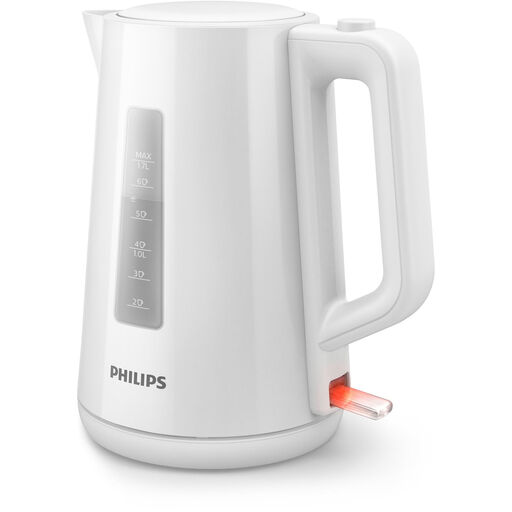
Why it suits this type of buyer: The 1.7-litre capacity and cup markings are ideal for a family making several drinks in a row.
The product details list automatic switch-off, boil-dry protection, a removable limescale filter and a 360-degree swivel base.
1.7-litre capacity, 1,850–2,200 watts and a concealed stainless-steel heating element.
We’ve put together a complete, up-to-date list of products that meet these strict selection criteria and the applicable European safety regulations.
For everyday household use, kettles are often rated between 1,850 and 3,000 watts. A higher wattage can speed up boiling, but only heat the amount of water you need. If in doubt, check your electrical installation and use a suitable socket.
Its lifespan depends on how often you use it, water hardness, materials and maintenance. Regular descaling, not letting the kettle boil dry, and keeping the cord or base dry can help reduce wear. Many of these products come with a legal guarantee of at least two years; check the seller’s terms.
Not automatically. The feature can help reduce waste when you don’t need to heat water to boiling point. Actual energy use mainly depends on the amount of water, the temperature you select and how often you use the keep-warm function.
