
Vandaag of morgen in huis

Kwaliteit gegarandeerd

Welkomstaanbiedingen ontgrendelen: GRATIS bezorging | Tot 80% korting | Gratis 30 dagen JoyPlus-proefperiode
Download de app
A kettle may seem like a simple kitchen appliance, but you notice the differences between models every day. One electric kettle is designed mainly for speed, while another lets you set the temperature, keeps water warm or can also prepare tea and herbal infusions.
The key question, therefore, is not which kettle looks the most modern, but which features suit the way you use it. Keep an eye out for these three common pitfalls.
A high wattage can heat water quickly, but it does not tell you everything about the overall experience. The amount of water, heating method and minimum fill level also matter. A fast kettle rated at 2.100 or 2.200 watts is useful for a full jug, but for one cup, accurate filling is just as important.
Always check:
A 1.7-litre kettle is suitable for making several cups of tea, coffee or hot water in succession. For one or two people, however, a 1.5-litre kettle may be more practical and take up less space. Never fill the jug above the marked level. Too much water can cause it to boil over or create hot steam around the lid.
For larger quantities of herbal infusion or soup, there are also multifunctional appliances with capacities of 3.5 to 4.5 litres. These are not the same as a standard kettle and take up considerably more space.
A kettle with a keep-warm function keeps water at or around a set temperature for a specific period. This does not automatically mean that the water will remain at exactly the same temperature for hours. Check the keep-warm duration, the available temperature settings and whether the function needs to be switched on manually.
A kettle with a temperature display makes it easier to read the current temperature. Even so, take care when pouring: the jug, spout and steam can become hot.
For everyday use at home or in the office, 1.5 litres and 1.7 litres are common capacities. According to product specifications, a 1.5-litre capacity is often enough for several cups. A 1.7-litre model provides extra room for a family or shared workspace.
The wattage determines how much electrical power the appliance uses while heating. Models rated at 2.100 to 2.400 watts are designed for rapid boiling. An appliance rated at 1.000 watts generally heats more gently and may be better suited to functions such as brewing tea, preparing soup or steeping herbs. So do not look only at speed; consider the programme the kettle is intended for as well.
A temperature-adjustable kettle is useful when you prepare different drinks. Green tea, coffee, hot water or baby food may require different temperatures. Choose a model with clearly marked settings, such as fixed increments or a digital display.
Pay attention to the difference between:
For baby food, always follow the instructions on the packaging and the manufacturer's safety guidance. A temperature setting alone does not guarantee that preparation meets specific nutritional or hygiene requirements.
A stainless steel kettle often has an inner wall made from stainless steel. Check the product specifications to see which part is actually made from stainless steel: the inside, lid, spout or just the outer casing. In a double-wall kettle, an additional insulating outer layer surrounds the inner jug. According to the product description, this may make the outside less hot, but never touch the jug or steam outlet unnecessarily during use.
Practical points to consider include:
In the Netherlands, limescale can affect performance and taste. Descale the appliance according to the instructions and do not use abrasive products unless permitted.
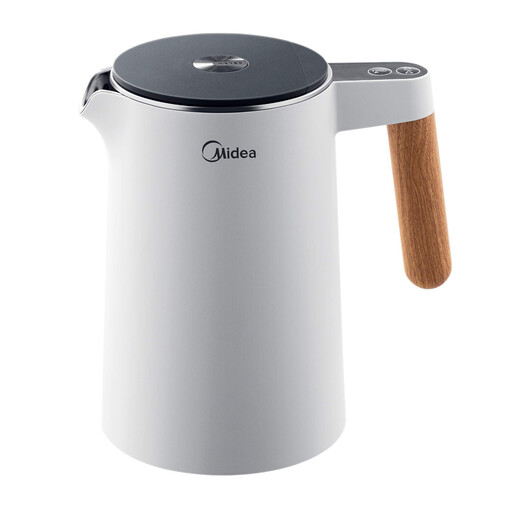
Why it suits this profile: This model combines a standard capacity with seven temperature settings from 45 to 100 °C, a display and a keep-warm function lasting up to one hour. It offers extra control without requiring a large multifunctional appliance.
According to the product description, the set temperature and current temperature are shown on the display. This means you do not have to rely solely on a general boiling function.
1.5-litre capacity, 2.200 watts, double-wall casing and seven temperature settings from 45 to 100 °C.
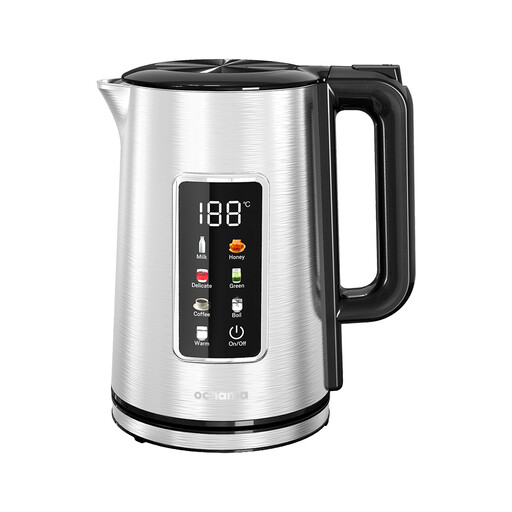
Why it suits this profile: Families and busy households get a spacious jug, double-wall insulation and multiple functions for making tea and coffee every day.
The product description lists boil-dry protection, automatic switch-off and cord storage in the base. The 1.7-litre capacity also reduces the number of refills needed when several people are using it.
1.7-litre capacity, 2.100 watts, double-wall stainless steel design, keep-warm function and colour display for the temperature.
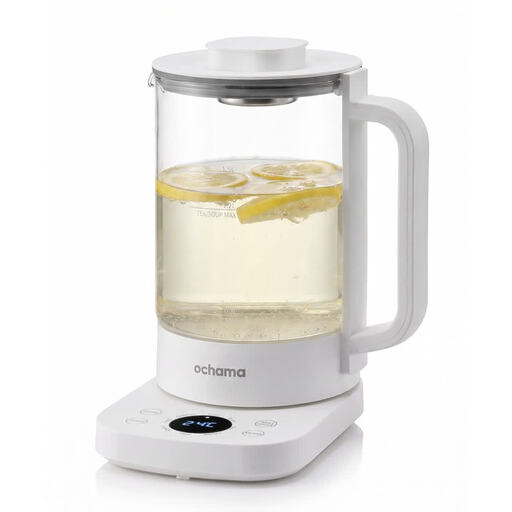
Why it suits this profile: This model is designed for users who want to prepare not only water, but also tea, fruit infusions, porridge or soup using different programmes.
The functions are clearly specified: eight programmes, eleven heat settings and a 24-hour timer. Always use the appliance according to the instructions and fill it only within the indicated levels.
1.5-litre capacity, 1.000 watts, eight cooking functions, eleven heat settings and an adjustable 24-hour timer.
We have put together a complete, up-to-date list of products that fully meet these strict selection criteria and the applicable European safety regulations.
A kettle only uses electricity when the heating element is active. The simplest practical way to reduce consumption is therefore not to heat more water than you need. For one mug, boiling a full jug is unnecessary. A higher capacity is mainly useful when several people need hot water at the same time.
Also keep these points in mind:
A glass thermal kettle or vacuum-insulated hot-water jug works differently from an electric kettle: it is designed to keep hot water warm rather than heat it directly. Check this distinction before making a purchase.
Its lifespan depends on usage, water hardness, materials and maintenance. Regular descaling helps to limit limescale build-up. Stop using the kettle if the cable is damaged, it leaks, the jug is broken or the lid does not close properly.
Not automatically. Temperature control can prevent you from boiling water fully every time when a lower temperature is sufficient. Energy consumption mainly depends on the amount of water, its starting temperature and the temperature selected.
It can be practical if you make several cups of tea or coffee over the course of an hour. Check in advance how long the function remains active and whether you can set the desired temperature. For keeping water warm for longer, a separate thermal jug may sometimes be more suitable.
