
Vandaag of morgen in huis

Kwaliteit gegarandeerd

Welkomstaanbiedingen ontgrendelen: GRATIS bezorging | Tot 80% korting | Gratis 30 dagen JoyPlus-proefperiode
Download de app
At first glance, picking a bottle of kecap manis seems straightforward. Yet Indonesian kecap manis, Thai sweet soy sauce and ordinary Asian soy sauce differ noticeably in flavour, thickness, sugar and salt content. The wrong choice can make a stir-fry too sweet, cause a marinade to burn, or leave you with a large bottle you hardly ever use.
The three most common pitfalls:
The base of sweet soy sauce often consists of soya, wheat, water, salt and a sweetener such as sugar, molasses or syrup. The ratio varies from product to product. For example, ABC Sweet Soy Sauce 600 ml lists sugar as the main ingredient and 79 g of sugars per 100 g. Conimex Ketjap Manis lists 48 g of sugars per 100 g.
This makes these sauces suitable for a sweet dipping sauce or marinade, but portion control remains important. Always check the allergens too. The product information for the sauces mentioned includes soya and wheat/gluten. Some variants also list sulphites. If you have an allergy or intolerance, you should check the packaging before using the product.
A claim like “30% less sugar” should be read in relation to the standard version of the same product. According to the product description of Inproba, this variant contains less sugar than standard kecap manis, but it is still a sweet sauce. It is therefore not a sugar-free option.
For a fair comparison, check the nutritional information table, preferably per 100 g or 100 ml. Kecap manis often contains a lot of carbohydrates and sugars, while salty soy sauce can have a high salt content.
Saitaku Sushi Soy Sauce contains 19 g of sugars and 14.7 g of salt per 100 ml, according to the product information. This sauce is lightly sweetened and intended for sushi, dressings and marinades. Conimex Ketjap Manis lists 48 g of sugars and 8.2 g of salt per 100 g. The two products are therefore not directly interchangeable.
Taste a dish before adding extra salt. Especially in a marinade or stir-fry sauce, kecap manis can already provide enough sweetness and salt.
The thickness determines how the sauce behaves:
Store an opened bottle according to the label: in a cool, dry place, away from direct sunlight and tightly sealed. If in doubt, check the best-before information on the packaging.
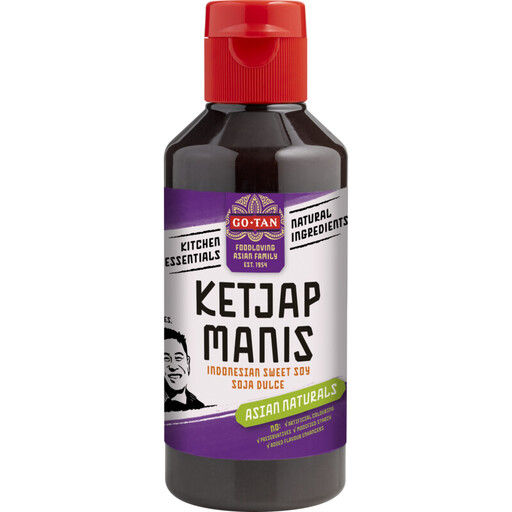
Why it fits this profile: The compact size is ideal if you cook nasi, bami, soup or satay without wanting to buy a large stock straight away.
The size reduces the chance of an opened bottle going unused. The product information lists 48 g of sugars and 3.6 g of salt per 100 g, so you can measure your portions in advance.
270 ml; according to the label, suitable for nasi, bami, soup and satay. Contains soya and wheat.
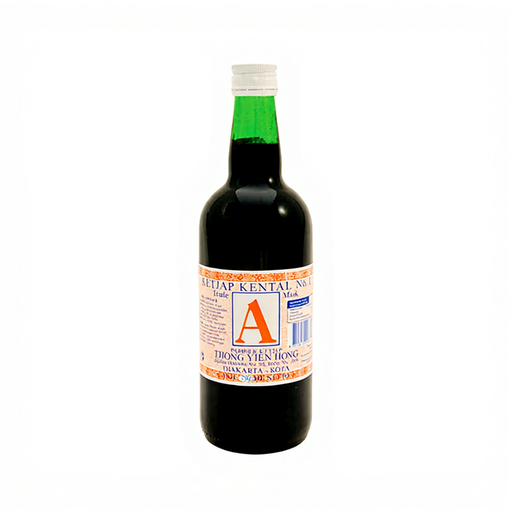
Why it fits this profile: The bottle offers a larger volume for cooks who regularly make marinades, rice dishes, noodles and stir-fries.
The product description clearly lists the ingredients, including sugar, soya extract, wheat, colouring and thickener. This allows you to compare the sauce based on the label rather than marketing language alone.
750 ml; according to the product description, a sweet, rich flavour. Contains sulphites, soya and wheat/gluten.
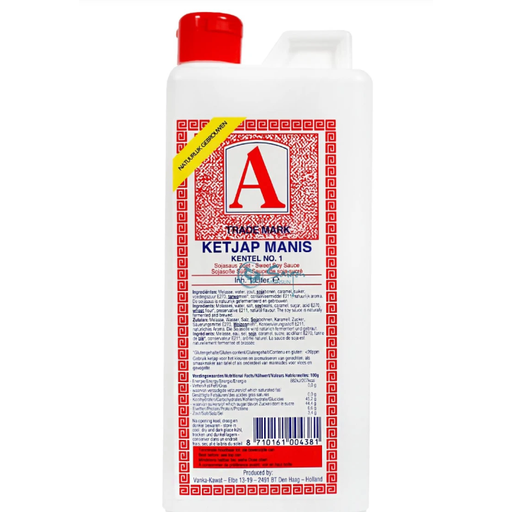
Why it fits this profile: The litre bottle suits high-volume use, catering and households where Asian sauces are used daily.
The product information explicitly mentions use for marinades, stir-fry dishes and dipping sauces. That helps when you want one sauce for multiple applications.
1 litre; according to the product specification, a thick, sweet Indonesian style with molasses, soya and caramel. Contains soya and wheat.
We have compiled a full, up-to-date list of products that fully meet these strict selection criteria and comply with current European safety regulations.
Kecap manis is most commonly used as the Dutch term for Indonesian sweet soy sauce. However, products can differ in recipe, thickness, sugar content and salt content. Thai sweet soy sauce, for example, has its own flavour profile and is not always suitable as a direct substitute in an Indonesian recipe.
Mix a small amount of kecap manis with, for example, garlic, ginger, lime or vinegar. Add extra salt carefully, as the sauce already contains salt. When grilling, the sugar can caramelise or burn more quickly. Therefore, do not use too high a temperature and, if needed, only re-baste meat, fish or vegetables towards the end.
Compare the ingredients list, the sugar and salt content, the bottle size and the listed allergens. Choose a smaller pack if you use the sauce only occasionally. For a restaurant, caterer or large family, a 750 ml to 1 litre bottle may be more practical. After purchase, also check the storage instructions and the date on the packaging.
